Langtang isn’t just about a cluster of valleys and ridgelines north of Kathmandu but is also a combination of glaciers, sacred lakes, wildlife, forests, stone villages, Tamang & Hyolmo culture, and quiet monasteries under the blissful watch of peaks like Langtang Lirung and Dorje Lyapka.
The 2015 earthquake that hit the region left it totally devastated, but the silver lining of the incident is that people from all around the world registered it in their minds.
Today, the Langtang region has its own story against countless others (including the two giant regions, i.e., Everest and Annapurna). Though it's not as famous as Everest or Annapurna, its teahouse accommodation, well-marked trails, and deep cultural roots make it an unbeatable underdog!
And even though it may be an underdog, it still houses the best treks that can compete with the Everest and Annapurna regions. Let’s go through each of them in detail below!
A Quick Overview of Treks in Langtang Region
|
Trek Name
|
Approx. Days
|
Approx.
Distance
|
Max. Altitude
|
Difficulty Level
|
Main Highlights
|
|
Langtang Valley Trek
|
5 - 8 days
|
65 - 140 km
|
Tserko/Tsergo Ri (4,985 m)
|
Easy to Moderate
|
- Langtang Khola
- Langtang and Jugal Range Views
- Kyanjin Ri
- Tsergo/Tserko Ri
- Lirung Glacial Lake
- Organic Yak Cheese Production Centre, Kyanjin Gompa
- New Langtang Village
- Langshisha Kharka, Langtang Lirung Base Camp (optional)
- Tamang culture and Tibetan Buddhism
|
|
Gosaikunda Lake Trek
|
4 - 6 days
|
35 - 65 km
|
Laurebina Pass (4,610 m)
|
Easy to Moderate
|
- Views of Langtang, Jugal, and Ganesh Himal ranges
- Trishuli Khola (that mixes with Bhote Koshi to form Trishuli River)
- Sacred Gosain Kunda Lake
- Bhairav Kunda, Saraswati Kunda, and other sacred lakes
- Mix of Hindu and Tibetan Buddhist culture
- Surya Kunda or Laurebina Pass (optional)
- Local Cheese Factory, in Chandanbari (Sing Gompa)
|
|
Panch Pokhari Trek
|
4 - 6 days
|
35 - 40 km
|
Panch Pokhari Viewpoint (4,300 m approx.)
|
Easy to Moderate
|
- Five Sacred Lakes (Bhairav Kunda, Saraswati Kunda, Surya Kunda, Naag Kunda, Ganesh Kunda)
- Views of Jugal Himal Range
|
|
Tamang Heritage Trek (combines Langtang Valley)
|
11 - 14 days
|
110 - 140 km
|
Tsergo Ri (4,985 m)
|
Moderate to Difficult
|
- Parvati Kunda
- Nagthali Ghyang
- Views of Langtang, Jugal, and Ganesh Himal ranges
- Tatopani’s hot spring (depends on season)
- Tamang Villages and Tibetan Buddhist culture
- Same other attractions of Langtang Valley Trek
|
|
Langtang Gosaikunda Trek
|
9 - 12 days
|
95 - 140 km
|
Tsergo Ri (4,985 m)
|
Moderate to Difficult
|
- Combined attractions of Langtang Valley and Gosaikunda treks (mentioned earlier)
|
|
Helambu Circuit Trek
|
8 days
|
80 - 90 km
|
Ama Yangri (3,772 m)
|
Moderate
|
- Vintage monasteries of Helambu such as Tarke Ghyang Monastery, Melamchi Ghyang Monastery, Sermathang Monastery, etc.
- Wide panorama of Langtang, Jugal, Ganesh, Rolwaling, and Mahalangur ranges.
- Ama Yangri Peak and Ama Yangri Zangdo Palri Gumba
- Hyolmo culture
|
|
Extended Langtang Region Trek
|
15 - 20 days
|
175 - 190 km
|
Tsergo Ri (4,985 m)
|
Difficult to Challenging
|
Combined attractions of Langtang Valley, Gosaikunda, Panch Pokhari, and parts of Helambu.
|
|
Jugal Himal Base Camp Trek
|
8 - 10 days
|
140 - 150 km
|
Jugal Viewpoint(4500m)
|
Difficult to Challenging
|
- Get to experience the warmth and beauty of the local cultures of the region, mainly Tamang and Sherpa.
- You will be walking on an ancient trade route, which was once used as a trading corridor between Nepal and Tibet hundreds of years ago.
- Get a chance to experience the beauty of Panch Pokhari if you’re combining your itinerary with it.
|
|
Tilman Pass Trek
|
15 - 17 days
|
100 - 110 km
|
Tilman Pass (5,350 m)
|
Challenging
|
- Up-close views of Langshisa Glacier and Balephi glaciers
- Langshisha Kharka
- Up-close view of Langshisha Ri
- Combined attractions of Panch Pokhari and Langtang Valley
- High-altitude camping experience
|
|
Ganja La Pass Trek
|
12 - 14 days
|
110 - 120 km
|
Ganja La Pass (5,106 m)
|
Challenging
|
- Breathtaking view of Ganja La Chuli aka Naya Khanga (5,863 m), along with other peaks
- Combined attractions of Langtang Valley and Helambu
- High-altitude camping experience
|
While total trekking prices vary depending on group size, route duration, and permit requirements, the overview below breaks down what you can expect to spend for each region!
Langtang Valley Trek
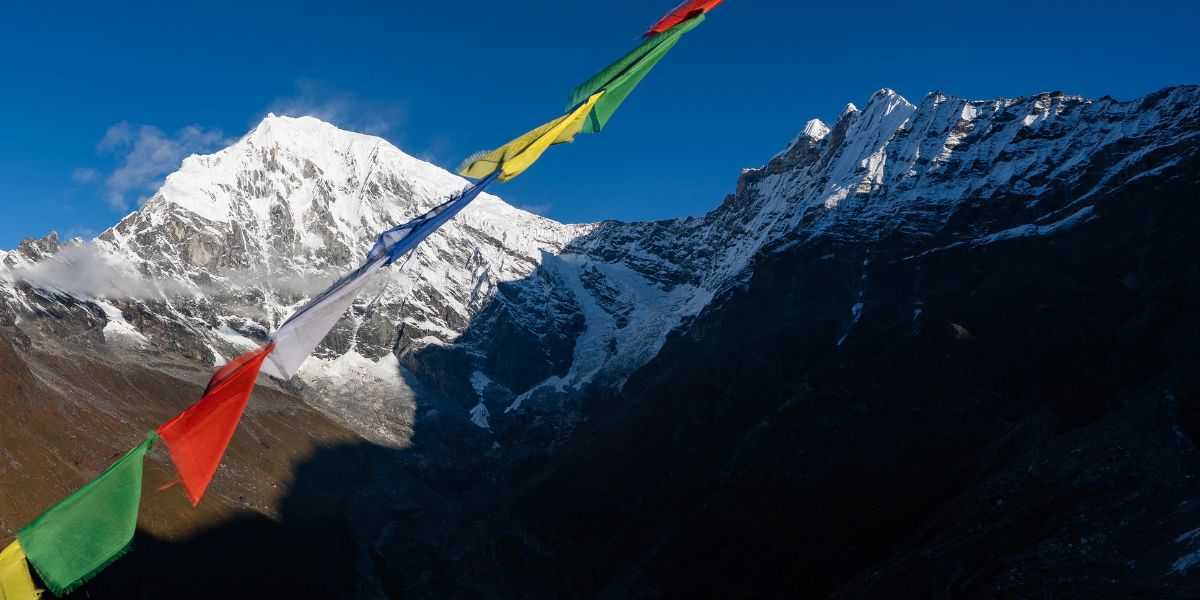
This is the most popular trek from our “best treks in Langtang region” list and also the most commercialized in comparison to other treks in the region.
You get good teahouses, food options, cellular networks, electricity, proper forest routes, possible wildlife sightseeing, cultural immersion, and, to top it off, excellent mountain views!
Quick Facts
Here’s what you should know about the Langtang Valley Trek in brief:
- Permits Required: Langtang National Park Entrance Permit, TIMS Card
- Difficulty and Experience Level: Easy to Moderate, Beginner-friendly
- Best Time to Visit: Spring and Autumn
- Routes:
- Standard Route via Syaphru Bensi: Syaphru Bensi (1,467 m) > Tiwari (1,553 m) > Domen (1,565 m) > Pairo (1,722 m) > Bamboo (1,984 m) > Rimche (2,495 m) > Lama Hotel (2,515 m) > Woodland or Chunama (2,800 m approx.) > Ghoda Tabela (3,008 m) > Thangshyap (3,140 m) > Tsartang (3,250 m) > Chyamki (3,240 m) > Langtang Gumba (3,400 m) > Langtang Village (3,455 m) > Mundu (3,550 m) > Sindhum (3,555 m) > Kyanjin Gompa (3,890 m)
- Via Sherpagaon: Syaphru Bensi > Khangjim (2,245 m) > Surka (2,430 m) > Sherpagaon (2,563 m) > Rimche > Same route as above
- Via Dhunche: Dhunche (1,960 m) > Sapche (2,000 m) > Ghatte Khola (1,960 m) > Khendi (2,300 m) > Deurali (2,662 m) > Dhimsa (3,030 m) > Chandanbari (3,250 m) > Dursagang (2,670 m) > Thulo Syaphru (2,250 m) > Pairo (1,722 m) > Bamboo (1,984 m) > Same route as above
- Accommodation Type: Teahouse and Lodge
- Altitude Sickness Risk Level: Medium
- Cost (range): $565 to $1,000 per person
Main Highlights
Langtang Valley Trek is a beautiful journey into the wonderful nature and rural lifestyle. Among those major attractions, there are also some awe-inspiring highlights that we will be delving into below:
- Up-close views of the Langtang and Jugal Himal range, prominent ones being Langtang Lirung, Kimshung, Ganchenpo, Naya Khanga, etc.
- Meet the Tamang people of Langtang and learn in-depth about their Tibetan roots along with Tibetan Buddhist culture.
- Visit the earthquake-affected ruins of Langtang Village and the highest permanent human settlement of Rasuwa District, Kyanjin Gompa.
- Hike to one of these viewpoint peaks for a 360-degree panorama experience: Lower Kyanjin Ri (4,300 m), Kyanjin Ri (4,700 m), or Tsergo Ri (4,985 m).
- Other possible places to visit (if time permits): Lirung Glacial Lake (3,960 m approx.), Langshisha Kharka (4,050 m), Numthang (3,940 m), Morimoto BC (4,780 m), Langtang Lirung Base Camp (4,407 m), and Langtang Lirung Glacier Viewpoint (4,161 m).
- Get to try local food and drinks; the main highlight here is the Sea Buckthorn Juice.
- Walk past multiple monasteries, chortens, mani walls, and mani wheels. Be sure to make a pit stop at Kyanjin Gompa (the monastery this village is named after).
Gosaikunda Lake Trek
After the Langtang Valley Trek, the second most popular is the Gosaikunda Lake Trek.
This trek is mainly popular because of the sacred lake, Gosain Kunda (which holds immense religious significance among both Hindus and Buddhists).
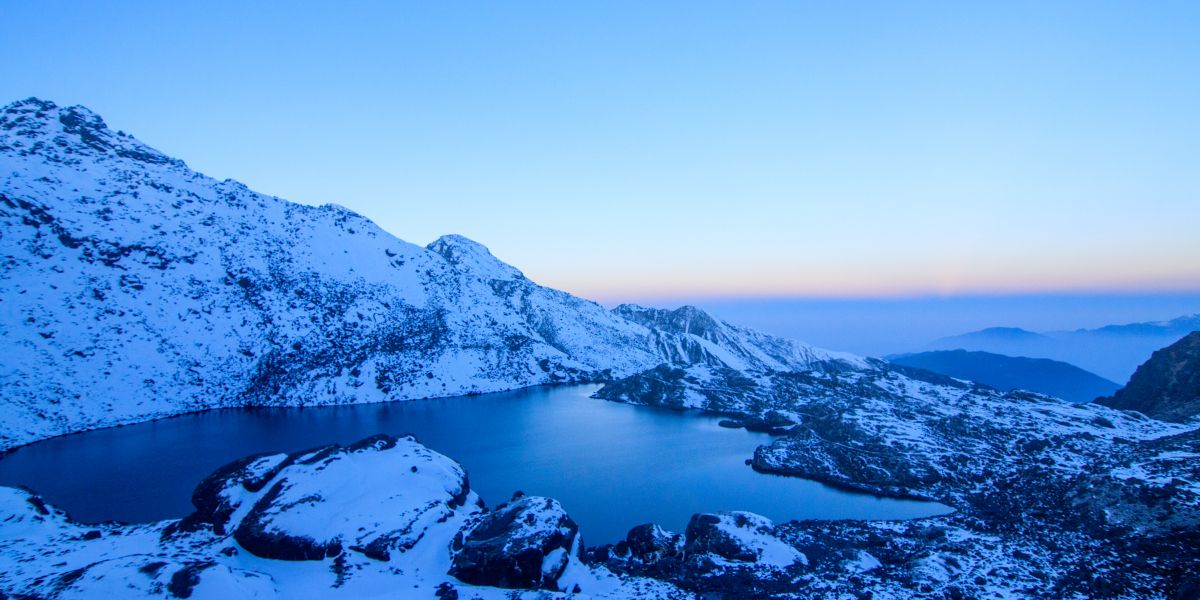
Moreover, there are other sacred lakes scattered around, such as Bhairav Kunda, Surya Kunda, Saraswati Kunda, etc.
There’s a legend surrounding this place that Lord Shiva stabbed his trident into the ground to release the waters to relieve his burning throat after swallowing the poison called “halahala” that was released during the “Samundra Manthan”.
Quick Facts
Here’s what you should know about this trek in brief:
- Permits Required: Langtang National Park Entrance Permit, Shivapuri National Park Entry Permit (if you start/end in Sundarijal)
- Difficulty and Experience Level: Easy to Moderate, Beginner-friendly
- Best Time to Visit: Spring, Autumn, and During Janai Purnima
- Routes:
- Standard Route via Dhunche: Dhunche (1,960 m) > Deurali (2,662 m) > Dhimsa (3,030 m) > Chandanbari (3,250 m) > Cholangpati (3,584 m) > Lauribina (3,910 m) > Buddha Mandir (4,245 m) > Gosaikunda (4,380 m)
- Longer Route via Sundarijal: Sundarijal (1,385 m) > Chisapani (2,165 m) > Kutumsang (2,470 m) > Thadepati (3,690 m) > Phedi (3,730 m) > Laurebina Pass or Suryakunda Lake (4,610 m) > Gosaikunda (4,380 m) > Return via Dhunche
- Accommodation Type: Teahouse
- Altitude Sickness Risk Level: Medium
- Cost (range): $400 - $800 per person
Main Highlights
Let’s check out what the main highlights of the Gosaikunda Lake Trek are:
- Get to taste the famous delicious cheese straight from the factory at Chandanbari and visit the historical monastery, Sing Gompa.
- Get to experience a mix of Buddhist and Hindu culture.
- Explore the oligotrophic lake, i.e Gosaikunda, along with several other sacred lakes, like Bhairav Kunda, Saraswati Kunda, Surya Kunda, Dudh Kunda, etc.
- Janai Purnima festival is celebrated here with much devotion and enthusiasm, so it can be a great time if you’re a Shiva devotee yourself.
- A large number of faithful devotees also queue up at this spot during the month of Shrawan and Maha Shivaratri, which are other good times to pay a visit here (for pilgrims).
Langtang Gosaikunda Trek
Imagine combining the best treks of the Langtang region into one! Yes, the Langtang Gosaikunda Trek takes you to both worlds and normally spans 9-12 days depending on your pace.
You can reach the Kyanjin Ri or Tergo Ri viewpoints, the sacred lake of Gosaikunda, and even visit the cheese factories at Kyanjin Gompa and Chandabari.
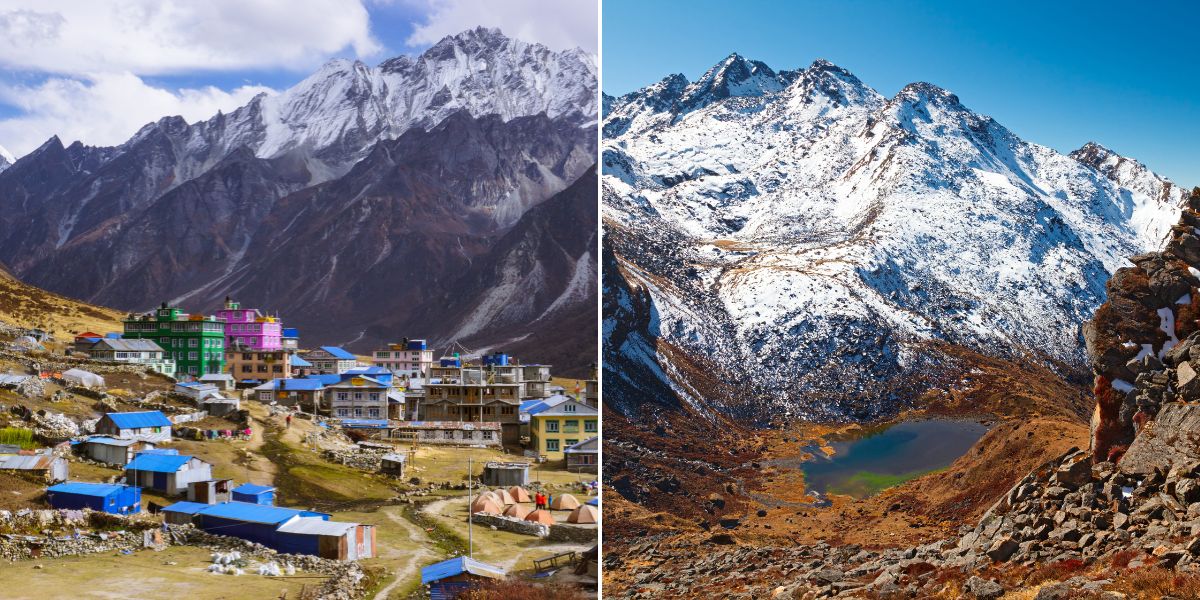
First, the Langtang Valley section gives you glaciers, mountain views, and Tibetan Buddhist village culture. Then comes Gosaikunda, which gives you sacred lakes, pilgrim trails, and a completely different atmosphere!
Quick Facts
Here’s what you should know about this trek in brief:
- Permits Required: Langtang National Park Entrance Permit, Shivapuri National Park Entry Permit (if you start/end in Sundarijal)
- Difficulty and Experience Level: Difficult, Best for Moderate trekkers
- Best Time to Visit: Spring and Autumn
- Routes:
- Via Syaphru Bensi: Syaphru Bensi (1,467 m) > Pairo (1,722 m) > Bamboo (1,984 m) > Lama Hotel (2,515 m) > Ghoda Tabela (3,008 m) > Thangshyap (3,140 m) > Langtang Village (3,455 m) > Kyanjin Gompa (3,890 m) > Lama Hotel (2,515 m) > Thulo Syabru (2,250 m) > Cholangpati (3,584 m) > Lauribina (3,910 m) > Buddha Mandir (4,245 m) > Gosaikunda (4,380 m) > Return via Dhunche or Sundarijal
- Via Dupcheswor: Talu Village (2,440 m approx.) > Gopte (3,430 m) > Phedi (3,730 m) > Phedi High Camp (4,220 m) > Suryakunda Lake (4,610 m) > Gosaikunda Lake > Laurebina > Cholangpati > Thulo Syaphru > Pairo > Bamboo > Rimche > Lama Hotel > Ghoda Tabela > Thangshyap > Tsarting > Chyamki > Mundu > Kyanjin Gompa > Langtang Village > Ghoda Tabela > Lama Hotel > Thulo Syaphru > Dhunche
- Via Sundarijal: Sundarijal (1,385 m) > Chisapani (2,165 m) > Kutumsang (2,470 m) > Thadepati (3,690 m) > Phedi (3,730 m) > Lauribina Pass (4,610 m) > Gosaikunda (4,380 m) > Thulo Syabru (2,250 m) > Ghoda Tabela (3,008 m) > Kyanjin Gompa (3,890 m) > Lama Hotel (2,515 m) > Sano Bharkhu (1,740 m approx.)
- Accommodation Type: Teahouse and Lodge
- Altitude Sickness Risk Level: Medium to High
- Cost (range): $820 - $1,090 per person
Main Highlights
Let’s check out what the main highlights of the Langtang Gosaikunda Lake Trek are:
- Pass through Tamang villages and learn about Tibetan Buddhism.
- Get to the vantage points of Kyanjin Ri and Tsergo Ri for panoramic views of the Langtang and Jugal mountain ranges.
- Pass through the Gosaikunda trekking trails that reflect Hinduism and Buddhism in a single place.
- Reach Gosaikunda Lake and watch how Hindu pilgrims take a holy dip here (you can try too).
- Visit two high-altitude yak cheese production centres in a single trip.
Panch Pokhari Trek
The Panch Pokhari Trek is not as famous as the above options we discussed, but it is still one of the most worthy destinations to visit in the Langtang region.
This trek has its own charm that no other trek can replicate! Panch Pokhari is a collection of five sacred lakes, located at 4,010 m beneath the magnificent Jugal Himal range.
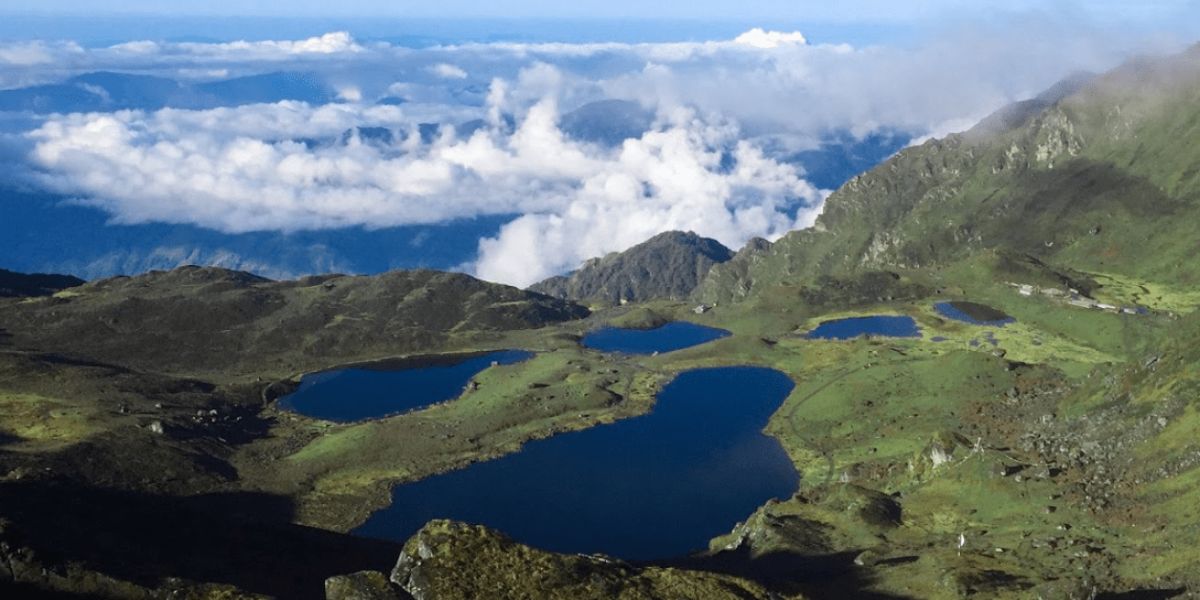
The local names of the five ponds are Surya Kunda, Bhairav Kunda, Saraswati Kunda, Ganesh Kunda, and Naag Kunda.
Also, there is a source of the Indrawati River somewhere near the Shiva Temple here!
Quick Facts
Here’s what you should know about this trek in brief:
- Permits Required: Langtang National Park Entrance Permit
- Difficulty and Experience Level: Easy to Moderate, Beginner-friendly
- Best Time to Visit: Monsoon because of wildflowers (but proper preparation is required)
- Routes:
- Standard route: Drive to Chhimti (1,893 m) > Deurali (2,105 m) > Tuppi Danda (2,400 m) > Rato Mato (2,950 m approx.) > Chokar Danda (3,250 m) > Tap Kharka (3,350 m) > Nosyampati (3,661 m) > Lauribina (4,000 m) > Panch Pokhari (4,010 m) > Panchpokhari Viewpoint (4,300 m)
- Longer route (old): Drive to Chautara (1,418 m) > Syaule (1,600 m) > Ratnaule (2,440 m) > Chyochyo Kharka (3,440 m) > Saddle Kharka (3,315 m) > Hile Bhanjyang (3,720 m) > Nosyampati > Panch Pokhari > Same route to Chautara or return via Chhimti
- Accommodation Type: Teahouse
- Altitude Sickness Risk Level: Low to Medium
- Cost (range): $350 - $700 per person
Main Highlights
Let’s check out what the main highlights of the Panch Pokhari Trek are:
- Different species of birds like Koklass Pheasant, Blood Pheasant, Himalayan Monal, etc., and wildflowers such as Primula, Juniper, Rhododendron, etc., during the trek.
- Five sacred ponds at an altitude of 4,010 meters above sea level.
- A stunning sunrise from 4,300 meters above sea level over the Jugal Himal range.
- Experience Tamang culture.
- Possible sightings of Musk deer, Himalayan Black bear, Himalayan wild goat, etc.
Tamang Heritage Trek
Tamang Heritage Trek is one of those treks that goes under everyone's radar, as it is not as popular as the other treks we have discussed on this list, but surely needs more love!
The trek offers a hospitable environment where you get to stay in homestays, eat meals with the host families, and walk through Tamang community villages. Afterwards, you’ll even head to Langtang Valley to experience high-altitude trekking.
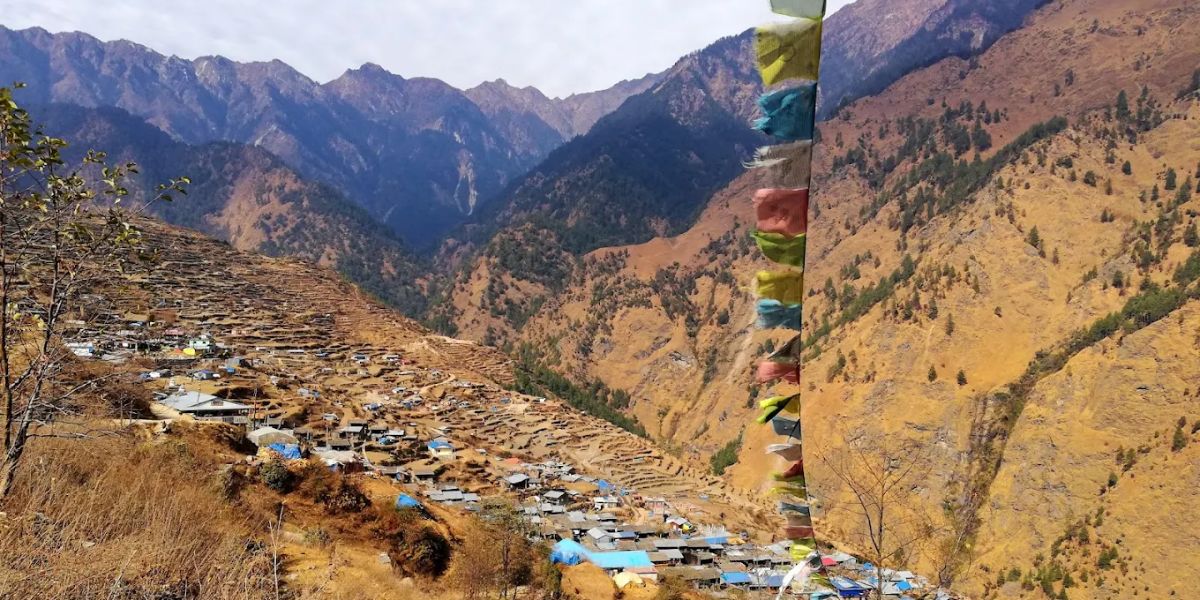
Further, you will get a chance to encounter Tibetan Buddhism and learn more about it firsthand from the locals themselves. This is best felt in the monasteries that are in Thuman and Briddhim.
Moreover, the mani walls you walk past are maintained daily, and the families you stay with practice these traditions as part of ordinary life!
Note: The classic Tamang Heritage only covered the lower regions, like Gatlang, Tatopani, Bridhhim, Timure, etc. However, these days, the Tamang Heritage Trek combines Langtang Valley for better experiences in terms of culture and mountain views.
Quick Facts
Here’s what you should know about this trek in brief:
- Permits Required: Langtang National Park Entrance Permit, Restricted Area Permit (for Thuman)
- Difficulty and Experience Level: Easy to Moderate, Beginner-friendly
- Best Time to Visit: Spring and Autumn
- Routes: Syaphru Bensi (1,467 m) > Gatlang (2,238 m) > Thambuchet (1,768 m) > Chilime (1,762 m) > Gongang (2,227 m) > Tatopani (2,607 m) > Brimdang (2,848 m) > Nagthali (3,165 m) > Thuman (2,338 m) > Lingling (1,737 m) > Briddhim (2,229 m) > Khangjim (2,245 m) > Surka (2,430 m) > Sher-Pho/Sherpa Gaun (2,563 m) > Rimche (2,495 m) > Lama Hotel (2,515 m) > Continues to Langtang Valley
- Accommodation Type: Homestay, Teahouse, and Lodge
- Altitude Sickness Risk Level: Moderate
- Cost (range): $965 to $1,235 per person
Main Highlights
Let’s check out what the main highlights of the Tamang Heritage Trek are:
- Visit multiple Tamang villages and learn about their culture: Syaphru Bensi, Gatlang, Thuman, Briddhim, Langtang Village, and Kyanjin Gompa are a few names.
- Go for a short hike to Parvati Kunda to see how Hinduism and Buddhism co-exist.
- Dip in Tatopani Hot Springs (when available).
- Get surreal views of Ganesh, Langtang, and Jugal Himal ranges from Nagthali Ghyang.
- Take the challenge to reach high-altitude viewpoint peaks: Kyanjin Ri and Tsergo Ri.
Helambu Circuit Trek
Helambu Circuit is quite popular among cultural travelers. This is one of those treks which provide you with the best of both worlds!
What I mean to say is that you get culturally rich insight into the unique Hyolmo culture as well as equally rich landscapes and stunning views of snow-capped mountains.
Moreover, the unparalleled experience of rhododendron forests during the majority of this trek is yet another highlight!
This trek also takes you to the peak of Ama Yangri, the highest in the Helambu region. It’s known to offer an amazing view of the Langtang, Jugal, and Ganesh ranges, along with far-sighted glimpses of the Manaslu/Mansiri, Pamari, and Mahalangur ranges (including Mt. Everest on a clear day).
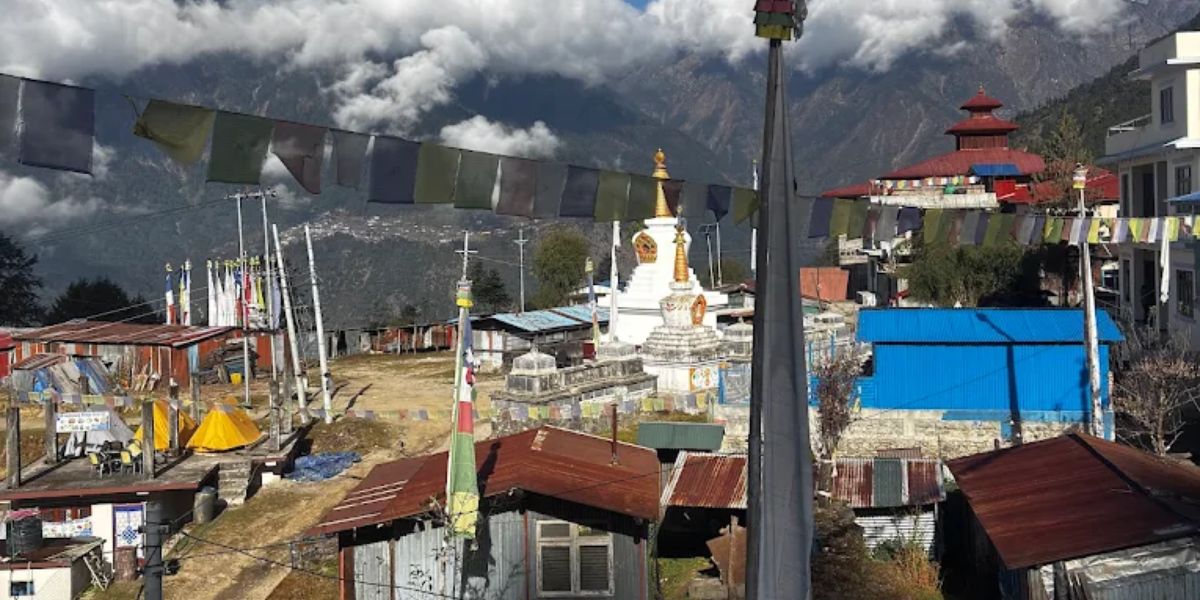
Apart from being a spectacular viewpoint, Ama Yangri is also a religious site for the local population of the Helambu region. The meaning of Ama Yangri is “the mother who protects or saves the entire Helambu region”.
Note: You can also do a standalone Ama Yangri Trek with a direct drive to Tarke Ghyang (or up to the point where vehicles reach). Then, hike to Ama Yangri and return the same route. This way, you can complete the short hike in just 2-3 days!
Quick Facts
Here’s what you should know about this trek in brief:
- Permits Required: Langtang National Park Entrance Permit, Shivapuri National Park Entry Permit
- Difficulty and Experience Level: Easy to Moderate, Beginner-friendly
- Best Time to Visit: Spring and Autumn
- Route (can be started from Melamchi too): Sundarijal (1,385 m) > Chisapani (2,165 m) > Gul Bhanjyang (2,495 m) > Thadepati (3,690 m) > Tarke Ghyang (2,600 m) > Ama Yangri Base Camp (3,200 m) > Ama Yangri Peak (3,772 m) > Tarke Ghyang > Sermathang (2,590 m) > Melamchi Bazaar (870 m)
- Accommodation Type: Teahouse and Lodge
- Altitude Sickness Risk Level: Low
- Cost (range): $700 - 1200 per person approx.
Main Highlights
Let’s check out what the main highlights of the Helambu Circuit Trek are:
- Trek to one of Nepal's least crowded areas.
- Witness the vintage monasteries of Helambu, such as Sermathang Monastery, Gekye Gompa, Trake Ghyang Monastery, etc.
- Walk through peaceful rhododendron and oak forests right from the start of the trek (after leaving Sundarijal), Chisapani to Kutumsang, and Kutumsang to Tharepati sections.
- Intersect with the locals and learn about Hyolmo culture and tradition.
Extended Langtang Circuit Trek
After going through all the treks listed here up until this point, you must have thought about combining all these treks into a single trek. Well, this section will clarify your curiosity on this matter!
The standard package we offer is the 19-day Extended Langtang Region Trek. It is a perfect and complete Nepal trekking experience in a single trip!
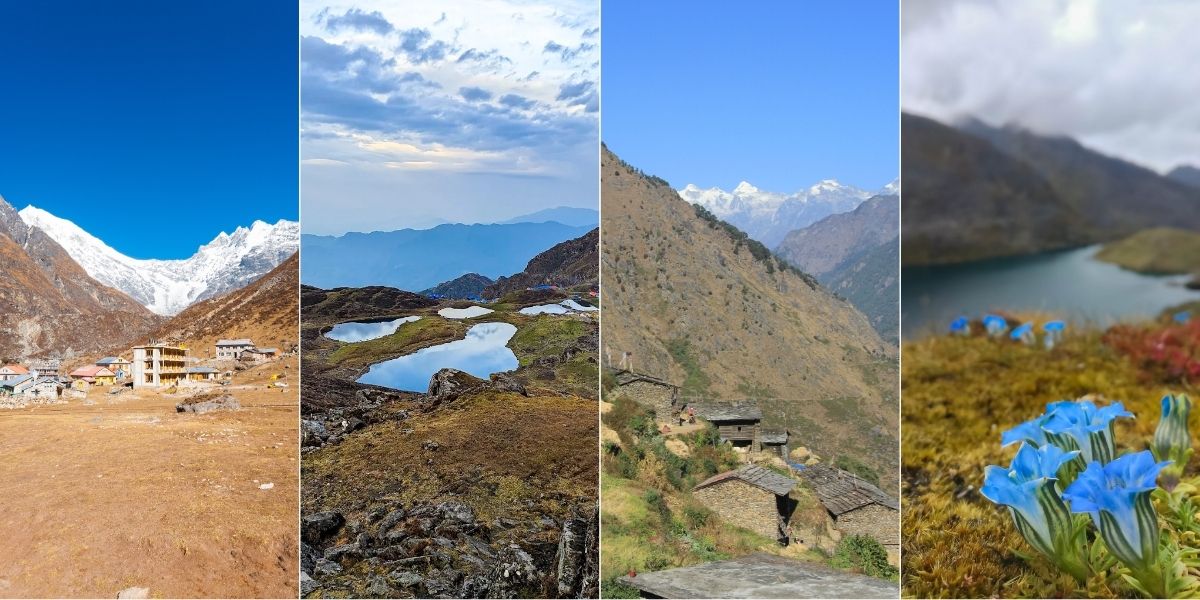
This trek combines cultural homestays, high-altitude summit hikes above 4,000 meters (including a mountain pass), a sacred pilgrimage lake, and a national park walk.
Quick Facts
Here’s what you should know about this trek in brief:
- Permits Required: Langtang National Park Entrance Permit, Shivapuri National Park Entry Permit (if you start/end in Sundarijal), Restricted Area Permit (for Thuman)
- Difficulty and Experience Level: Difficult/Strenuous, Experienced trekkers only
- Best Time to Visit: Spring and Autumn
- Route: Gatlang (2,238 m) > Tatopani (2,607 m) > Thuman (2,338 m) > Briddhim (2,229 m) > Lama Hotel (2,515 m) > Langtang Village (3,455 m) > Kyanjin Gompa (3,890 m) > Lama Hotel > Thulo Syaphru (2,250 m) > Gosaikunda (4,380 m) > Thadepati via Suryakunda Lake (3,690 m) > Kutumsang (2,470 m) > Chisapani (2,165 m) > Sundarijal (1,385 m)
- Accommodation Type: Homestay, Teahouse, and Lodge
- Altitude Sickness Risk Level: Medium to High
- Cost (range): $1,520 - 1,700 per person
Main Highlights
The major highlights of the Langtang-Tamang Heritage-Gosaikunda-Helambu Trek are as follows:
- Discover various villages and settlements of Tamang along the Tamang Heritage Route.
- Walk into the Langtang Valley and be encircled by the Langtang and Jugal Himal ranges.
- Reach viewpoints (Nagthali Ghyang, Kyanjin Ri, Tsergo Ri, and Thadepati Bhanjyang) for panoramic mountain views.
- Spend a night in Gosaikunda and see Hindu pilgrims take a holy dip in the sacred lake.
- Cross a high-altitude pass at 4,610 meters (Laurebina Pass) and enter the lower Helambu region, where you’ll meet Hyolmos and Sherpas.
- End your trek in Shivapuri National Park with a sound night in Chisapani.
- Optional highlights: Parvati Kunda, Tatopani Hot Springs, Kyanjin Organic Yak Cheese Production Center, Lirung Glacial Lake, and Dhap Dam.
Jugal Himal Base Camp Trek
Jugal Himal Base Camp Trek is the newest and most untouched route within Sindhupalchowk District of Nepal.
Journeying to Jugal Himal Base Camp is not solely for its natural beauty, despite it being nestled like a jewel in the Himalayas, but also for its religious importance, as this place is highly revered by Buddhist followers.
According to a myth, it is said that Guru Rinpoche meditated in this place and used his vajra to vanquish a demon!
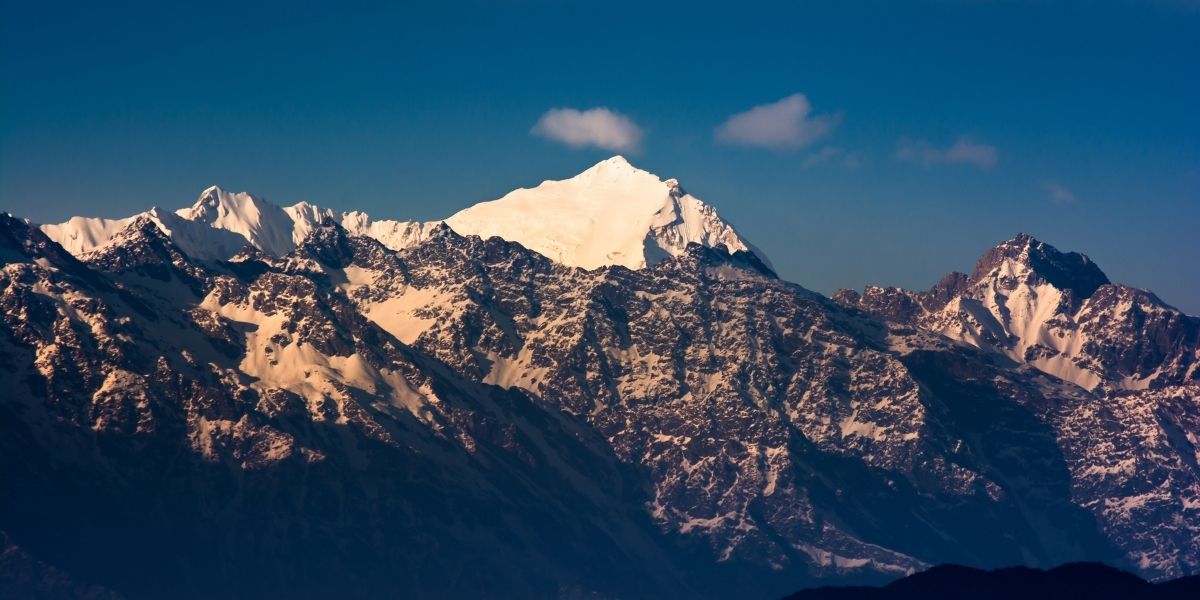
This particular detail can be experienced when you are journeying in this region and also by seeing the remnants in the stone that will surround you along the way. It truly feels like following the footsteps of Guru Rinpoche himself while you’re trekking on this trail!
Note that you can do the Jugal Himal Base Camp trek via two possible routes: one via the Panch Pokhari route and another via Bhairabkunda of Gaurisankhar CA.
Quick Facts
Here’s what you should know about this trek in brief:
- Permits Required: Langtang National Park Entrance Permit, Gaurisankhar Conservation Area Permit (if you start from Bhairabkunda)
- Difficulty and Experience Level: Moderate to Difficult (requires camping infrastructure), Best for moderately experienced trekkers
- Best Time to Visit: Spring and Autumn
- Routes:
- Via Panch Pokhari: Same route up to Panch Pokhari (via Chhimti or Chautara) > Chidakpu Kharka (2,513 m) > Chhedang (2,636 m) > Ne Pemasal (3,500 m) > Bumbasherpu (4,200 m) > Gyap Kharka (4,400 m) Jugal Humal Base Camp (4,700 m) > Return via the same route or via Bhairabkunda
- Via Bhairabkunda:
- Route #1: Drive to Bagam (2,942 m) > Shotang Kharka (3,379 m) > Optional Visit to Bhairabkunda > Nautale Kharka (3,415 m) > Kyangsing (2,475 m) > Nesam Khola (1,861 m) > Tembathang (2,180 m) > Dippu (2,235 m) > Chidapku Kharka > Same route as above
- Route #2: Drive to Bagam > Shotang Kharka > Chogormogor/Chokarmokar (4,010 m) > Bhairabkunda (3,985 m) > Tholo Nasem > Ne Kharka (4,230 m) > Ne Pemasal > Same route as above
- Accommodation Type: Teahouse and Camping
- Altitude Sickness Risk Level: Medium
- Cost (range): $900 - $1800 per person
Main Highlights
You will know what true solitude feels like when you are trekking on this trail. Despite being so close to Kathmandu, you will rarely see other trekkers on the trail. Here are the main highlights:
- Get to experience the warmth and beauty of the local cultures of the region, mainly Tamangs and Sherpas.
- You will be walking on an ancient trade route, as the trail was once used as a trading corridor between Nepal and Tibet hundreds of years ago.
- Get the chance to experience the beauty of Panch Pokhari or Bhairav Kunda depending on your Langtang trek route.
- Get to experience beautiful and peaceful Tibetan monasteries such as Bakhang Gompa and Chhandy Gompa.
Tilman Pass Trek
Tilman Pass (5,350 m) is a technical mountain pass and a part of the Great Himalaya Trail (GHT) that connects the Panchpokhari/Jugal Himal to Langtang Valley.
This trek suits people who love expedition-style traverses rather than standard commercial treks. It requires 2-4 days of remote camping, as there are no teahouses near the pass.
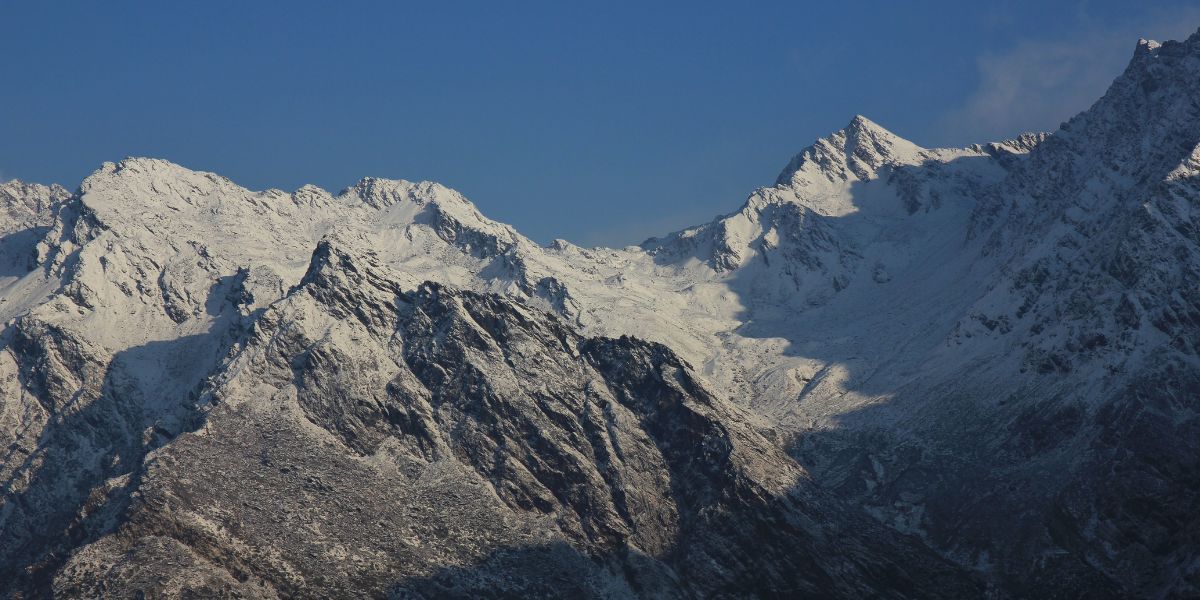
You will witness some of the most beautiful views of the Ganchenpo, Urkenmang, Langshisha Ri, and Dorje Lyakpa mountains. But before that, this pass requires technical gear and expertise, making the trek challenging and suitable only for experienced trekkers.
Also, it is highly advised to do this trek in good weather with all necessary equipment and a local experienced guide. Otherwise, it becomes too risky due to deep snow, rockfall, icy patches, and navigation difficulty.
Quick Facts
Here’s what you should know about this trek in brief:
- Permits Required: Langtang National Park Entrance Permit
- Difficulty and Experience Level: Strenuous, Only for Experienced Trekkers
- Best Time to Visit: Spring and Autumn
- Route (possible via the opposite route too but risky): Syaphru Bensi > Bamboo > Lama Hotel > Ghoda Tabela > Langtang Village > Kyanjin Gompa > Langshisha Kharka (4,050 m) > Moraine Base Camp (4,580 m) > Tilman Pass (5,380 m) > Tin Pokhari (4,255 m) > Intermediary Camp (4,283 m) > Panch Pokhari (4,010 m) > Return route same as Panch Pokhari Trek
- Accommodation Type: Teahouse and Camping
- Altitude Sickness Risk Level: High
- Cost (range): $1,550 - $3,250 per person
Main Highlights
Let’s check out the major highlights of Tilman Pass Trek now:
- Cross the remote Tilman Pass, an adventure of a lifetime!
- Get a chance to trek across the magnificent Langshisha Glacier while soaking in the panoramic views of Dorje Lyakpa, Ganchenpo, Kanshurum, and the Jugal Himal.
- Visit the holy Panch Pokhari, which is a pilgrimage for the Hindus and Buddhists.
- Experience the authentic Tamang and Tibetan Buddhist culture, explore traditional villages, and visit the historic Kyanjin Gompa Monastery.
- Arrive at camp in beautiful alpine wilderness in Langtang National Park, home to red pandas, Himalayan tahr, blue sheep, and many types of Himalayan flora.
Ganja La Pass Trek
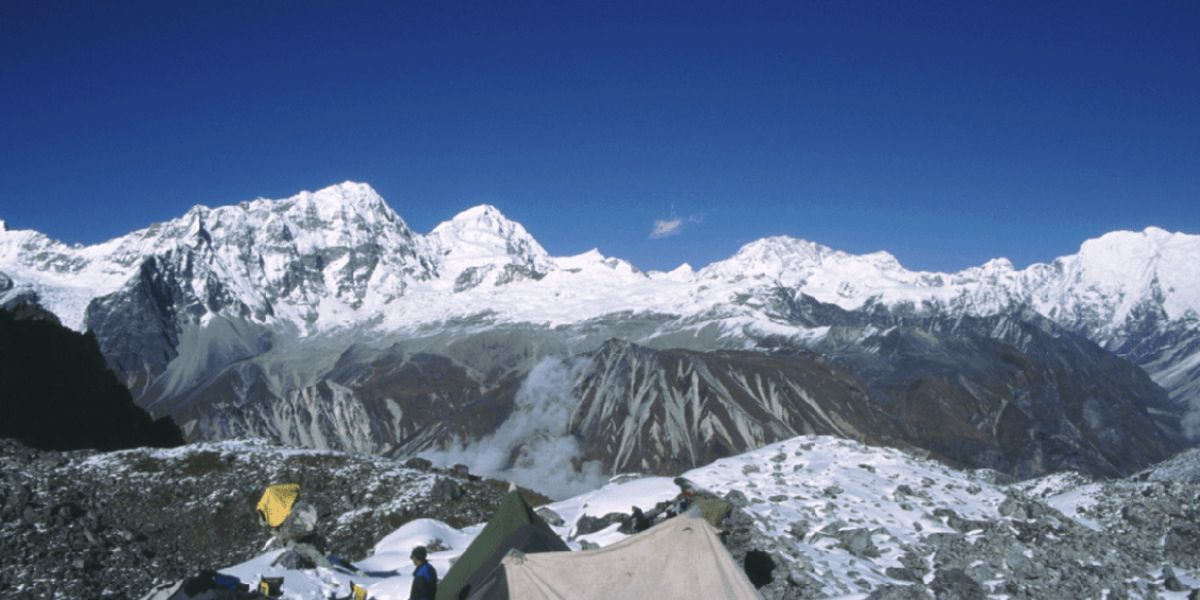
Ganja La Pass trek is another technical mountain pass that bridges Kyanjin Gompa to the Helambu Circuit. The trek, on top of being a challenging one, is also rarely traversed, and only by experienced trekkers.
As with Tilman Pass, this trek also needs good weather, equipment, and local guides. The route itself is interesting as you pass multiple high-altitude locations on the way to the pass while enjoying spectacular views of the region.
Quick Facts
Here’s what you should know about this trek in brief:
- Permits Required: Langtang National Park Entrance Permit
- Difficulty and Experience Level: Strenuous, only for experienced trekkers
- Best Time to Visit: Spring and Autumn
- Route: Syaphru Bensi > Bamboo > Lama Hotel > Ghoda Tabela > Langtang Village > Kyanjin Gompa > Ganja La Phedi (5,055 m) > Ganja La Pass (5,106 m) > Yangri Kharka (4,390 m) > Keldang (4,270 m) > Dukpu (4,040 m) > Tarkeghyang (2,600 m) > Return via Sundarijal or Melamchi (same as with Helambu Circuit)
- Accommodation Type: Teahouse and Camping
- Altitude Sickness Risk Level: High
- Cost (range): $1,500 - $1,950 per person
Main Highlights
Let’s check out the major highlights of the Ganja La Pass Trek:
- Explore the surrounding high Himalayan landscape of Kyanjin Gompa.
- Cross the Ganja La Pass (5,106 m), the most difficult and highest section of the trek
- Take in the spectacular views of the Langtang and Jugal ranges.
- Get to immerse yourself in the traditional Tamang and Hyolmo cultures.
- Walk the unexplored off-the-beaten path between Langtang and Helambu.
Best Treks Close to Langtang Region
Above, I mentioned the most popular treks in the Langtang region. Now, let’s look at some notable treks that sit close to the Langtang region. Here’s the list:
Ruby Valley Trek
Ruby Valley Trek is actually quite a popular trek that lies in between Langtang National Park and the Manaslu Conservation Area. Note that the trail is not located inside the Langtang National Park!
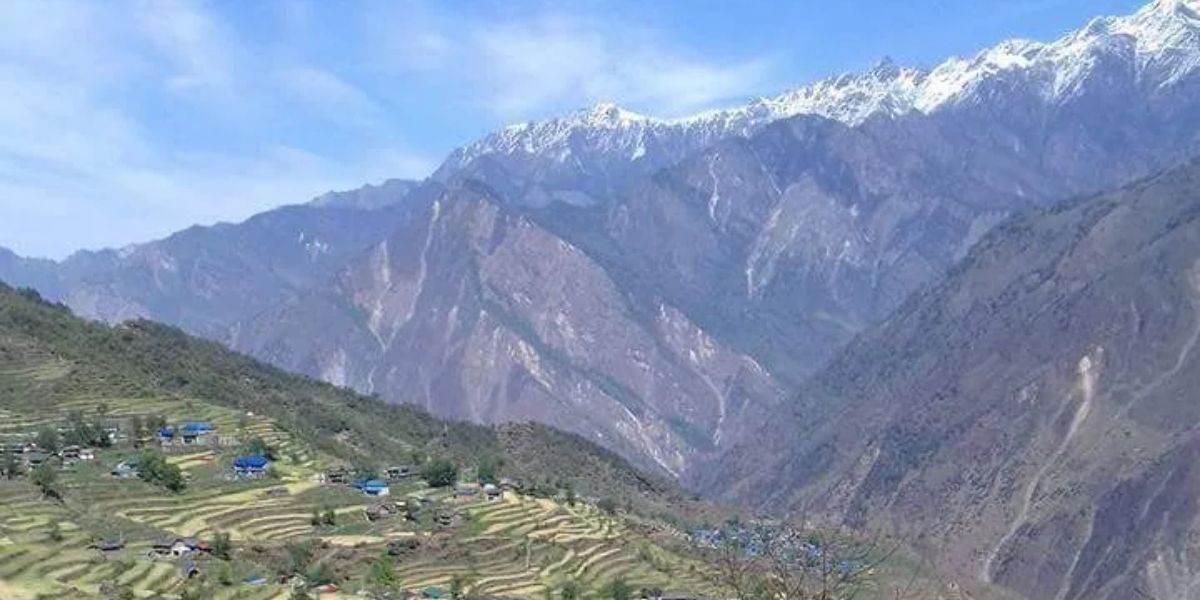
The reason Ruby Valley is discussed along with actual Langtang Region treks is that it starts from Syaphru Bensi. That means you still require the regular Langtang permits in order to do this trek!
You will be greeted with the sights of the majestic Ganesh Himal Range, along with far-sighted views of the Langtang and Jugal ranges. Along with the exotic flora and fauna that you can witness here, the main highlight here is the presence of zinc, quartz, and mineral crystals (often known as “ruby”, which is exactly how the trek got its name).
Ganesh Himal Base Camp Trek
The Ganesh Himal Base Camp Trek is another on the list of treks close to the Langtang Region and also sits on the route of the Ruby Valley.
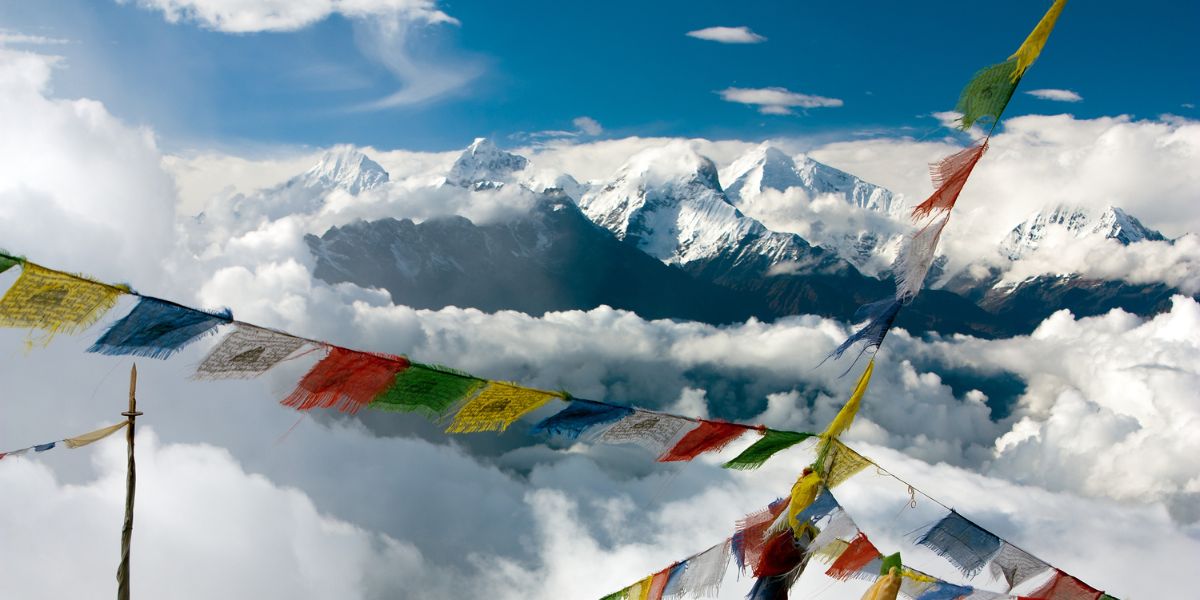
Along this route, you will be taken to the Kalo and Seto Daha (Black and White lakes), which are considered sacred and spiritual sites, where local shamans (jhankris) and villagers hold rituals, especially around September.
Also, there is a third lake known as Ganesh Kunda, which is described as the most sacred of the three lakes, attracting even larger shaman gatherings for ceremonies!
Ganesh Himal is a popular attraction among the locals but remains mostly undiscovered by the outside world!
Bhairab Kunda Trek
Bhairab Kunda has been getting more and more popular in recent years among trekkers who are looking for a short and easy option with beautiful views!
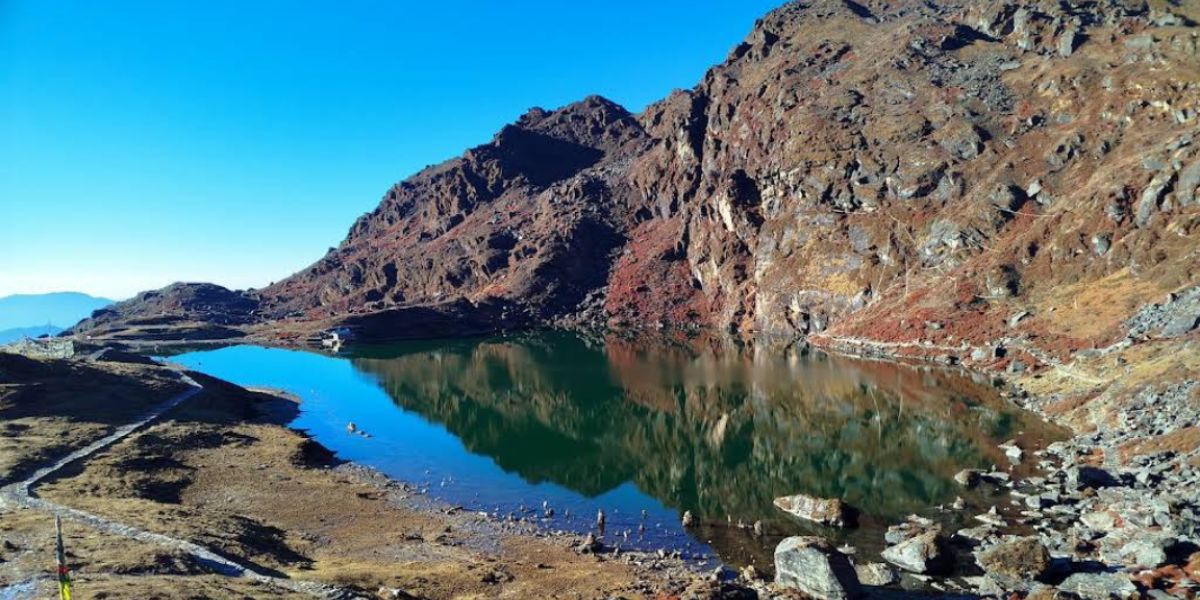
You can do this trek as a standalone trip in the Gaurishankar Conservation Area, or you can combine it with Jugal Himal Base Camp Trek (as described above).
The trek starts from Bagam and takes about 2 walking days to complete. However, it’s also possible to take a jeep up to Chokarmokar, from where the lake is just about 2 hours away. But that is only possible when the road condition is good.
Peak Climbing and Expeditions in Langtang Region
Langtang is not only a region full of beautiful landscapes, biodiversity, and exhilarating trekking routes/trails. It also houses some of the most challenging and adventurous expeditions and peak climbing activities!
Among the total peaks in the Langtang Himal Range, 3 peaks are monitored by NMA (Nepal Mountaineering Association), so they require a separate permit that can be granted by the NMA itself.
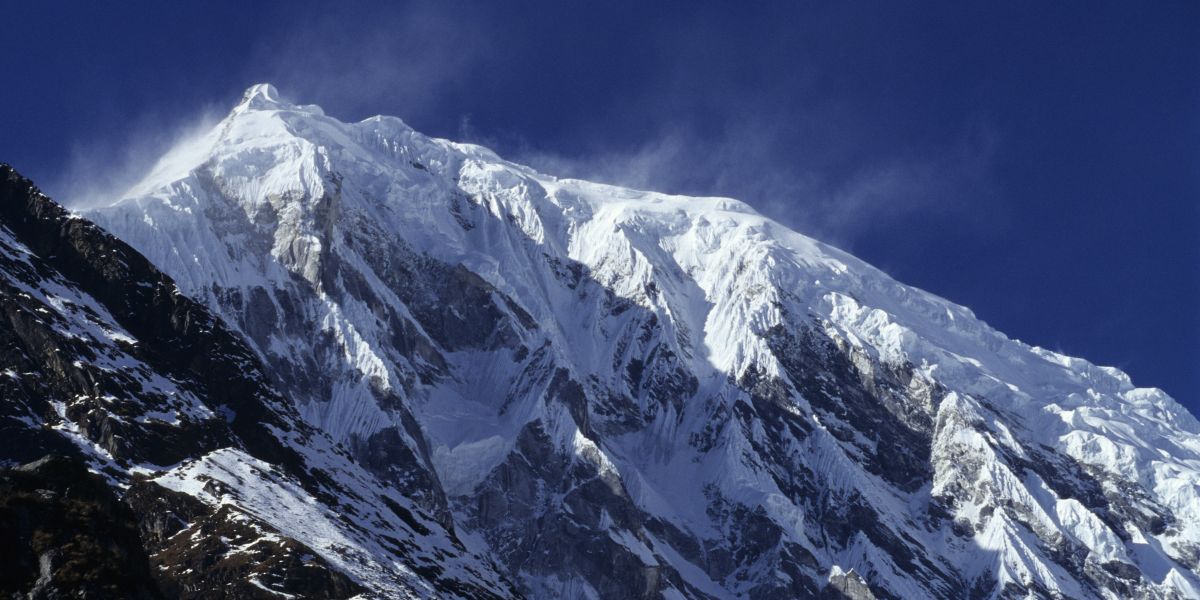
The rest of the mountains and peaks that are not listed by the NMA are administered by the Department of Tourism.
Similarly, only one peak from the Jugal Himal Range (which is also within the Langtang Region) is monitored by the NMA, and the rest by DOT.
Note that you need to pay separate royalty and garbage management fees in order to attempt the summit of these peaks/mountains. We’ve properly explained them in our Langtang National Park permits guide (so, check that out)!
Let’s learn about these peaks in detail below:
|
Peak Type
|
Peak Names
|
|
Langtang Himal
|
Jugal Himal
|
|
Over 7000 m (Expedition)
|
Langtang Ri and Langtang Lirung
|
-
|
|
NMA Group A
|
Yubra Himal / Ubra Himal
|
Langshisha Ri
|
|
NMA Group B
|
Naya Khanga / Ghanja La Chuli, Yala Peak (royalty-free peak)
|
-
|
|
Non-NMA Peaks (6,500 - 6,999 m)
|
Pem Thang Karpo Ri, Salbachum, Pangri Goldumba, Kyunga Ri I, Dhagpache, Ghenye Liru, Kyunga Ri II
|
Leonpo Gang, Dorje Lyakpa, Gurkarpo Ri, Bhairab Takura, Leonpo Gang East, Phurbi Chyachu, Yangri
|
|
Non-NMA Peaks (Below 6,500 m)
|
Thakmorpa Ri, Peri, Bhemdang Ri, Thakmorpa North East
|
Ganchenpo, Gyalzen Peak, Urkenmang, Baden Powell Scout Peak
|
Regardless of your destination, tailoring your packing list to the route's specific altitude and technical demands will determine what you need to carry for a safe journey.
Final Thoughts: Which Langtang Trek Should You Choose?
Hope I was able to provide you with the necessary information to help you make the right decision on which trek would be best for you!
As my final words, I’d say:
- Pick Langtang Valley, Gosaikunda Lake, Helambu Circuit, or Panch Pokhari if it’s your first time trekking in the Himalayas.
- Tamang Heritage Trek, Langtang Valley with Gosaikunda Lake, or the Extended Langtang Trek would be great if you’re looking for one that offers more depth in terms of culture.
- Seeking a high-altitude adventure? Langtang’s got Tilman Pass and Ganja La!
- For an off-the-beaten-path experience, I suggest opting for the Jugal Humal Base Camp Trek!
Honestly, it doesn’t matter which trek you choose! One thing is for sure…you will have the best time of your life trekking in Langtang.
And if you have concerns after the 2026 Bhotekoshi Flood, know that Langtang is still safe! We’ve been updating the trek conditions regularly here at lagtangvalley.com. So, bookmark this site for reference!


 Bhishu Acharya