Langtang region is garnering more and more attention with every passing trekking season. Why wouldn’t it? It is the closest high-Himalayan trekking region to Nepal’s capital, Kathmandu.
The treks in this region offer panoramic views of the Langtang and Jugal Himal ranges, the elegantly flowing rivulets feeding the Bhote Koshi and Trishuli rivers, the Tamang and Hyolmo cultures, and much more!
No season is bad or good; we can vouch for it, as we have run many treks in this region throughout every season. It’s just that which season is perfect for you is the bigger question, as each season has its own charm.
Whether it be in the spring, monsoon, autumn, or winter, each season and month allows you to see a different side of Langtang.
Let’s delve a bit more into this article to find out when exactly the best time is for different treks in Langtang.
Overview of Different Seasons
Langtang has proven time and again that it can hold its own charm against the likes of Everest and the Annapurna region, as it also has immense seasonal diversity and depth.
Every aspect of this region, whether it's the views you’re desperately craving to glimpse, the wildlife you’re eager to learn about, or the local culture and festivities you can’t wait to indulge in and explore, looks different in every season. Just as…
- Spring is a precursor, bringing a mix of blossoming rhododendron forests and snow-capped peaks.
- Monsoon is usually an off season for treks, but the variety of wildflowers you can find in Langtang during this time will blow your mind. Also, if you’re someone who prefers quiet trek routes and not-so-packed teahouses, then this season is for you.
- Autumn is the most popular one among the four seasons, as it provides clear skies, pleasant temperatures, and stable weather for the most part.
- Winter, which is considered an off-season most of the time (when most peaks and high passes are usually inaccessible), still stands out from the rest with its own charm. You can have a snowy adventure of a lifetime and get to see the snow-covered landscapes that give a majestic element to your gallery.
Go through the following table to understand what each season looks like in the Langtang region:
|
Season
|
Months
|
Trail Condition
|
Daylight Hours
|
Weather (Views, Visibility)
|
Average Temperatures Range (°C)
|
Difficulty Level
|
Accommodation Availability
|
Best Trail
|
|
Spring
|
March to Mid-June
|
Mostly dry trails, some snow higher up (during early spring)
|
5:30 AM to 6:30 PM
|
Clear skies, windy, snowy peaks, light rain, clear mornings with possible afternoon clouds
|
18° to -5°
|
Easy to Moderate
|
Crowded, pre-booking recommended (fewer crowds toward the end of the season)
|
- Langtang Valley Trek
- Gosainkunda Lake Trek
- Tamang Heritage Trek
- Jugal Himal Base Camp Trek
- Yala Peak Climbing
|
|
Monsoon
|
Late June to Mid-September
|
Muddy trails due to heavy rain, landslide risk
|
5:30 AM to 6 PM
|
Mainly cloudy with heavy rain, lush green landscapes
|
17° to 5° (can still go below 0° in peaks and high passes)
|
Difficult to Challenging
|
Mostly empty trails, some hotels may be closed
|
Panch Pokhari Trek
|
|
Autumn
|
Late September to Mid-December
|
Mix of dry and muddy trails, light to moderate snow depending on elevation
|
6 AM to 5:30 PM
|
Pleasant skies with low chances of rain, great visibility but colder once sun sets
|
12° to -12°
|
Easy to Moderate
|
Very crowded, pre-booking necessary
|
- Langtang Valley Trek
- Gosainkunda Lake Trek
- Tamang Heritage Trek
- Jugal Himal Base Camp Trek
- Yala Peak Climbing
|
|
Winter
|
Late December to February
|
Deep snow and icy sections higher up, mostly dry in lower parts of the trail
|
6:30 AM to 5 PM
|
Clear skies with snow-covered landscapes
|
6° to below -20°
|
Moderate to Challenging
|
Empty trails, many hotels are closed
|
-
|
Note: The temperatures shown here are averages based on data recorded high in the valley (Langtang’s Kyanjin Gompa). The lower elevations are a bit warmer. Likewise, the coldest days and nights may have lower temperatures than shown.
Things To Consider in Langtang Treks
While the major attractions of Langtang might tempt you, there are certain things to be considered before planning your visit to one or more of the destinations here.
When you’re venturing anywhere, you should always prepare a list of things that you should take into consideration, even if it’s a short 5-day Langtang trek.
These include things like checking the weather pattern, trail condition, and road access; risk and difficulty level of the trek you’re undertaking; main highlights in the region you’re going to; and possible wildlife sightings that can make your trip a hundred times better. Also, note that these factors may vary from month to month!
Some major factors that you should look into when planning for your Langtang Trek are:
Trail Condition and Accessibility
Talking about the trail condition and how safe it is to traverse there, our guides claim that the Langtang region remains accessible throughout the year.
For most of the journey from Kathmandu to Syaphru Bensi, the roads used to be asphalt-paved, concrete, or light off-road. The problem only began when you started the trek.
However, the situation has changed after the 2026 Bhotekoshi flash flood that swept away most of the road section (including Syabrubesi). While reconstruction is likely to happen soon, we can’t exactly tell how much has been damaged so far and when the situation will get back to normal. Keep yourself updated on this website, as we’ll keep you posted.
Coming to the hiking portion, Langtang has many spots that are prone to disaster during the heavy rain season. You can tell when you reach a place called ‘Pairo’ (landslide), which is the first stop on the trail.
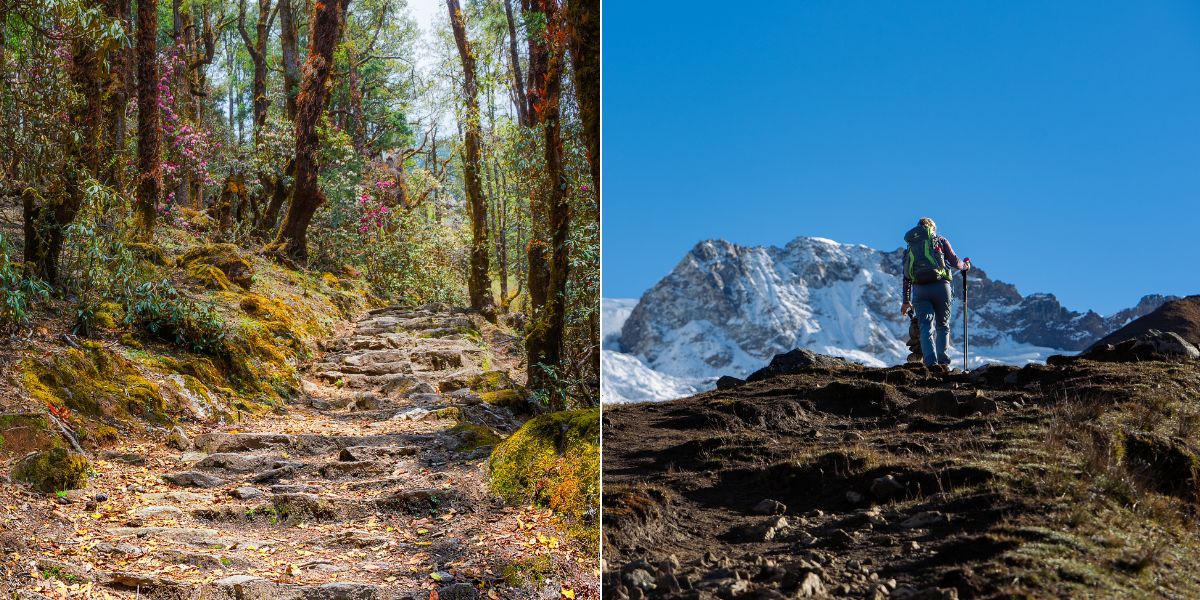
Langtang is no stranger to snow in the winter, early spring, and even autumn seasons. It receives heavy snowfall during the prime months of winter (December - February), which ultimately makes it harder to traverse.
Apart from these times, the trail conditions for the Langtang Trek are generally fine (best during the Spring and Autumn seasons).
Still, it is very crucial to stay updated on the weather and trail conditions when you're planning your trek. This can drastically make or break it!
Day-wise Weather and Visibility
Another thing to consider when you're trekking in Langtang or any other region is the day-to-day weather. Most of us usually don’t think about this small detail, but it is a wise thing to know the daily weather pattern when you’re trekking in the Himalayas.
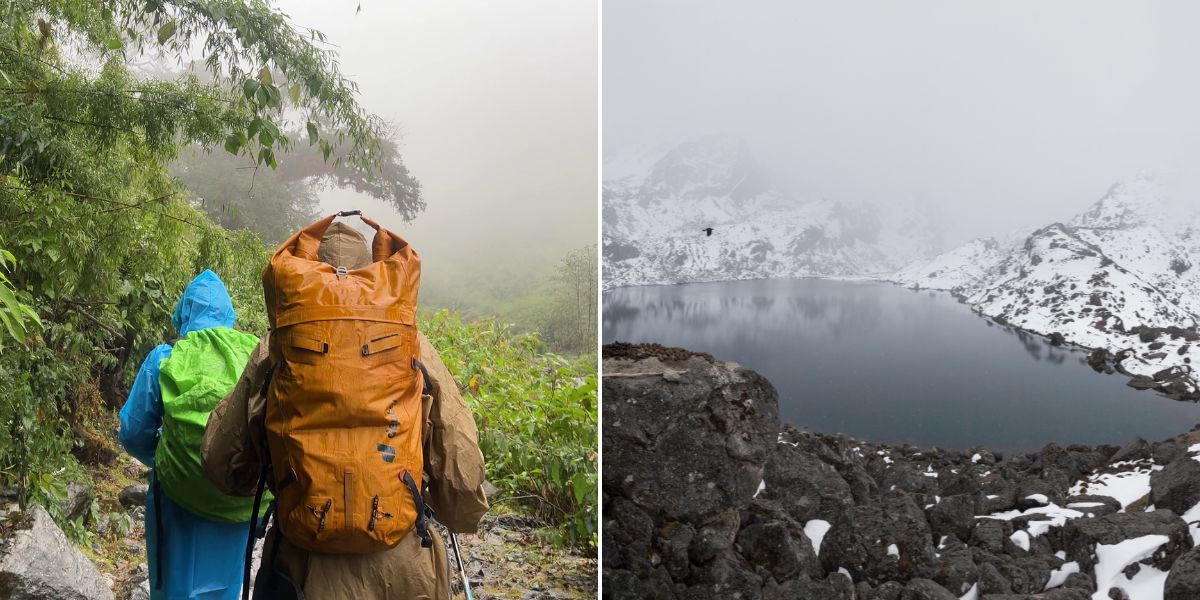
Especially if you will be undertaking long treks, like our extended Langtang trek or Langtang Circuit trek.
The general gist is that:
- Monsoon is mostly rainy and unstable.
- Winter is frigidly cold.
- Spring and Autumn are relatively blissful and pleasant.
But as climate change is becoming more and more prevalent, these general patterns are becoming less and less reliable with each passing year.
Our team of experts has done many treks to the region every month of the year and has seen fog, clouds, and rain even during the times considered the best seasons, by the way. Whereas we have experienced clear blue skies in June (a season considered to be gloomy, with monsoon skies).
So, as you can see, the weather pattern is quite unpredictable, and the key here is to find good weather windows and craft an itinerary and packing list accordingly!
Crowd Level and Accommodation Availability
When we are talking about the crowd level, it depends upon the season, once again. It is much quieter during the off-season and allows for a peaceful trek, but you need to bring the right rain/snow gear with you.
The rooms are also usually plentiful and less expensive during the off-season if you’re worried about the cost, as not many trek the region at this time. So, you can have a wide variety of lodges/teahouses to choose from. Usually, there is no need for pre-booking too!
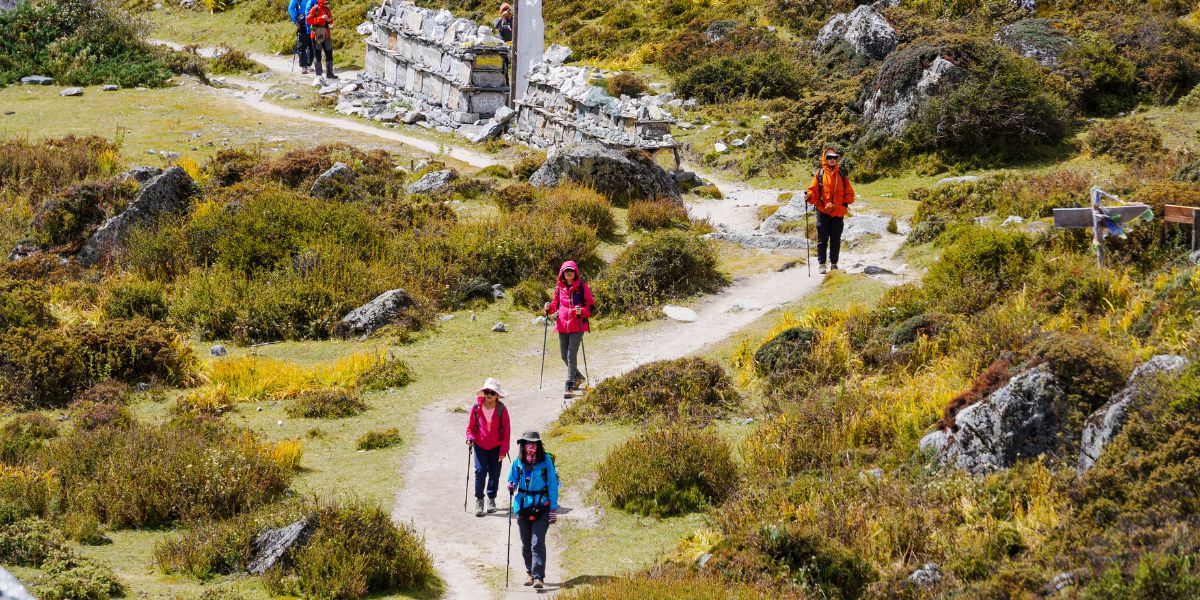
But the script flips during the peak season, as the trails get busier, which might not be everyone’s cup of tea. Now, the problem arises here, as the accommodation factor might create problems for many.
The best lodges and rooms are most of the time pre-booked, and you might not like what you get (particularly in Lama Hotel, where it can be really crowded).
The prices become a little higher than usual, with longer wait times for meals and services, and the place gets noisier from morning to night; all of these small details may amount to ruining the trek as a whole for most of the people.
Cultural Experiences And Festivals
We cannot stress enough how memorable the villages here are. It’s because of these villages and culture that make your trek memorable. The region has a surprisingly layered cultural landscape for its size.
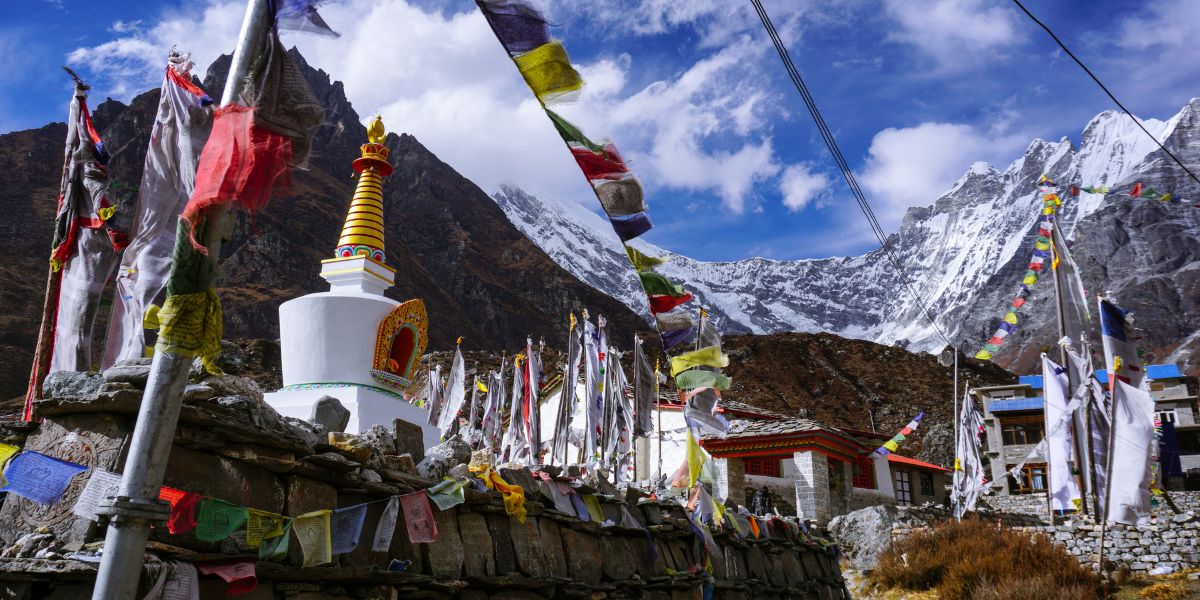
Getting deeper in, you will come across traditional Tamang communities in the lower and middle valleys and a stronger Tibetan Buddhist presence in the upper Langtang region.
Not only that, you’ll come across distinct Hyolmo communities across Helambu and smaller settlements on the Panch Pokhari approaches that blend Hindu and mountain-deity traditions in ways you will not find described in many guidebooks.
When you talk with the locals there, you will begin to understand how reflective their culture is in the way they treat not just people, but also the mountains, the trees, the rivers, the animals, and the prayer flags!
Much can be said about their festivities, as they are an obvious key attraction for why one should trek to the Langtang region.
Among the many festivals celebrated in the region, Tarna Festival and Buddha Jayanti are the main ones that honor figures like Lord Buddha and Guru Rinpoche. On the other hand, Dhukpa Chheju honors yaks, and during Chyamgi Puja, a traditional horse race is conducted.
The next festival that is widely popular here is Sonam Lhosar (celebrated by the majority of the Tamang population) and Gyalpo Lhosar (Tibetan New Year), which is celebrated by Tibetan communities.
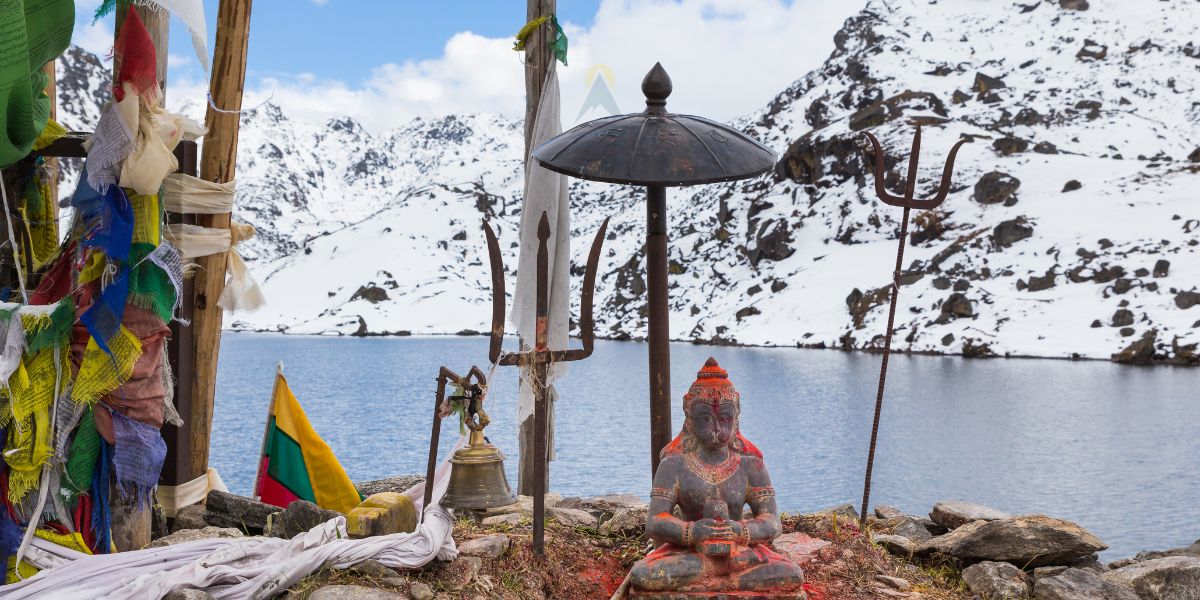
Moving on, Janai Purnima is celebrated by other ethnicities in the greater region. Many people trek here mainly to Gosaikunda and Panch Pokhari for this particular occasion. It’s an annual festival, where the devotees come in large numbers to these holy places to show their respect and devotion.
If you happen to come across a “Gyewa”, a major death-rite ceremony that is held on the 49th day after a person’s death, you can respectfully observe it to better understand the traditions and culture of the people here.
It lasts for two to three days, with decorated gompas, dough images, butter lamps, feasting, and drinking, especially celebrated among the Tamangs.
Another celebration/ritual that is celebrated here is the Ke-lha worship; it is basically a celebration of clan deities during the full moon of Baisakh and is celebrated exclusively by the Tamang communities.
Langshisha Mela (celebrated annually on Bhadra Purnima) is the most significant and least-documented festival of the upper Langtang Valley, celebrated at Langshisha Kharka. People travel on foot to the remote grazing ground, engaging in traditional singing, dancing, prayers, and communal feasting.
Hyolmo communities in Helambu celebrate Gyalpo Losar along with smaller monastery-based festivals tied to local deities like Ama Yangri, often with prayer flag renewals and community feasts.
These festivals aren’t only bringing the local people together but also other devotees and followers from across the world, which indirectly or directly builds a sense of global community.
So, we highly advise you to look into upcoming festivals for the date you’re planning your trek, whether you’re undertaking the Langtang Valley Trek or other treks in the region such as Tamang Heritage, Langtang-Gosaikunda, Ruby Valley, Panch Pokhari, Ganja La Pass, Helambu Circuit (with Ama Yangri), and Jugal Himal trek.
Wildlife Sighting
On the topic of biodiversity in the Langtang region, it houses an array of different varieties of plants (over 1,043 species), mammals (46 species), birds (380 species), reptiles (4 species), and fishes (40 species) across subtropical forests, alpine meadows, and high alpine zone.
When you’re trekking through this region, you can see the Assamese monkey near Dhunche, Syaphru Bensi, and in other lower regions.
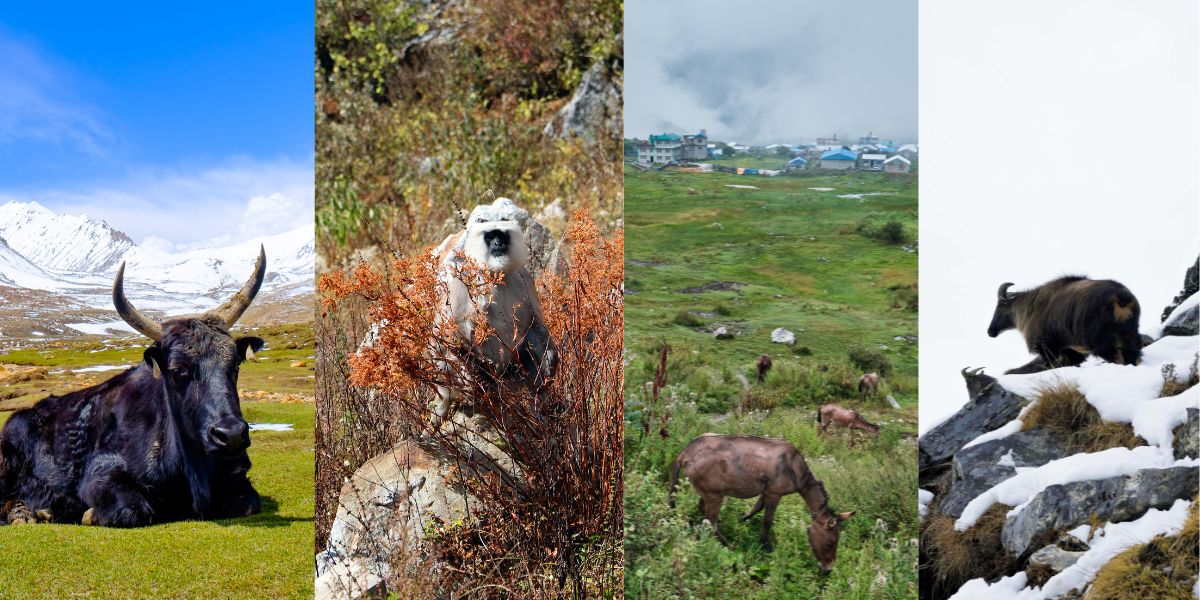
I will share with you an interesting encounter when our team had gone for the Langtang Trek during March 2026. Before returning back from Kyanjin Gompa, we went to Kyanjin Ri for a sunrise view. We saw a whole herd of Himalayan Tahr at the lower Kyanjin Ri, which is a common sighting during the spring season. But it was still a remarkable sight.
There are also clouded leopards, barking deer, jackals, wild boar, orange-bellied Himalayan squirrel, etc., which have been recorded in this region.
Red pandas, snow leopards, and musk deer are also found in the high-altitude areas of the Langtang region, but you will need some luck to spot these creatures.
Pikas, marmots, and blue sheep can be seen in the alpine zones of the trek, whereas magpies, woodpeckers, ghorals, macaques, etc., can be observed in the low-lying forests. Also, predators such as black bears keep away from the main trails and settlements, but they do reside in the area.
If you didn’t know, some of these species hibernate during the winter, while others move to lower elevations to survive. On the flip side, there are plenty of migratory birds to observe if you’re into bird-watching.
So, if you’re really into wildlife, you must consider the right season, time of day, and places to visit.
Seasonal Guide to Langtang Treks
Trekking in different seasons has its own charm. There is no bad season, just bad circumstances that make the trek during the season unpleasant.
Here, we will be talking about overall trekking in the Langtang region in different seasons in detail, like how the weather will be and the temperatures during each season.
Spring (March to Mid-June)
During the spring season, temperatures here on this trek usually range from 18°C at midday max at the lower elevations to -5°C at night at high elevations. You will be starting the trek from a lower elevation where it can be even warmer.
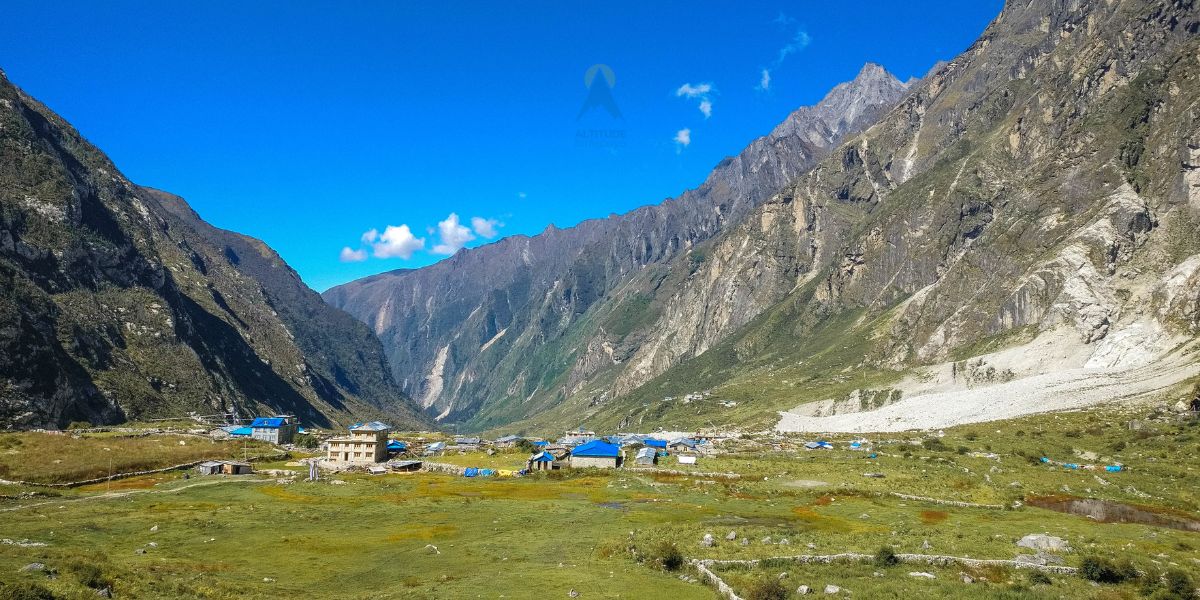 The chances of rainfall are quite low during this season, and this is, all things considered, with climate change and seasonal shifts.
The days are mostly clear skies with a nice, cool breeze. Since spring comes right after winter, you can still see plenty of snow covering the Langtang mountains and high passes.
When the season goes deeper into its peak time, the snow melts and makes way for the blooming rhododendrons, and the wildlife also becomes more active.
This is altogether good news for people who are into photography and videography, as the landscape sets itself with an exceptional mix of blue skies, green hills, colorful flowers, glacial rivers, and snow-capped mountains. It won’t be any less than a glimpse of paradise right here on earth.
Just imagine the beautiful shots and scenarios you can capture during this season, a seasonal goldmine for both artistic and casual trekkers!
As the season pushes into late spring and early summer, the weather becomes a transitional period with frequently changing conditions. You'll see a mix of clear skies, fog, clouds, rain, and winds throughout the day.
Days can feel hot and humid (particularly when walking under the sun). Nights tend to be cooler.
It is highly advisable for you to pack rain protection like a poncho or rain jacket, quick-dry pants and trail runners, and one full set of dry clothing to wear at the teahouse.
Pros:
- Excellent weather and views.
- Most viewpoints and points of interest are accessible.
- Flora starts to bloom, and possible fauna encounters can happen.
- Late spring is good for wild camping/peak climbing.
- Good views during early hours and good weather windows.
- Hills turn greener with more flowers blooming.
Cons:
- Busy trails and packed teahouses.
- Prices can go slightly higher considering it’s one of the peak seasons.
Monsoon (Late-June to Mid-September)
Although most of the monsoon period is gloomy and rainy, there are occasional periods when the weather opens up. If you're lucky enough to find these weather windows, you'll experience the most vibrant green hills and fields covered with wildflowers like Blue Himalayan Poppies (the national flower of Bhutan), Saxifrages, and Bistortas.
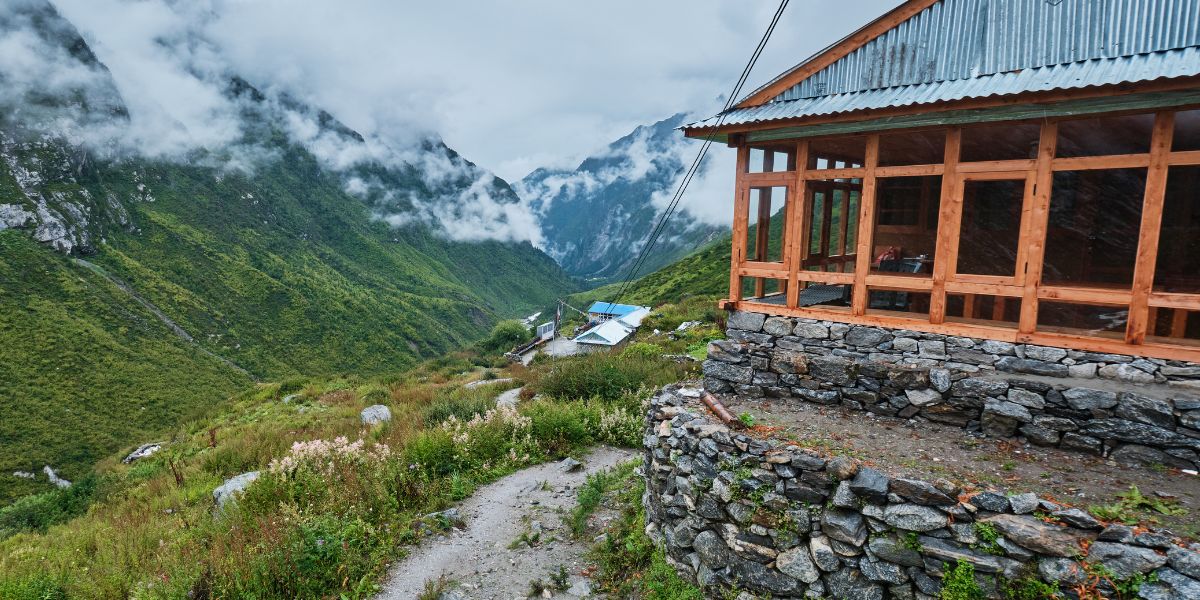
Pleasant streams from summer turn into roaring waterfalls in the monsoon. A sight to behold, but also a safety risk that must be navigated carefully!
Temps range from 17°C at the lower elevation to 5°C at the higher elevation, similar to summer. The only difference is now you're dealing with frequent rain most of the time.
All in all, the correct mindset and gear are essential to enjoy the Langtang Valley Trek in the monsoon.
And if you combine your Langtang Valley Trek with Gosaikunda Lake or plan for Panch Pokhari (particularly during Janai Purnima time), you even get to witness a fair, where thousands of pilgrims visit these sacred lakes for a holy dip!
Pros:
- Nature in full bloom.
- Empty trails and lowest prices.
- Exceptional views when the weather is good.
- Witness festivals like Tarna Mela, Langshisha Mela, and Janai Purnima.
Cons:
- Muddy trails, constant rain, and poor visibility.
- Landslide risk; need an alternative route sometimes.
- River crossings can be challenging.
- Leeches.
Autumn (Late-September to Mid-December)
Autumn is the busiest trekking period throughout Nepal, not just Langtang.
As the monsoon winds have just withdrawn, weather remains very stable for most of this season, and temps range from a pleasant 12°C at lower elevations to a chilly -12°C at higher elevations.
Most of the places and side trails become safely accessible, and you can get away with packing less, which allows for an easy and enjoyable hike.
These conditions make Autumn an excellent time for exploring even remote locations like Langshisha Kharka, Morimoto BC, Tilman Pass, Ganja La Pass, Yala Peak, Jugal Himal Base Camp, etc. And you also get to camp away from the Autumn crowds; two birds with one stone!
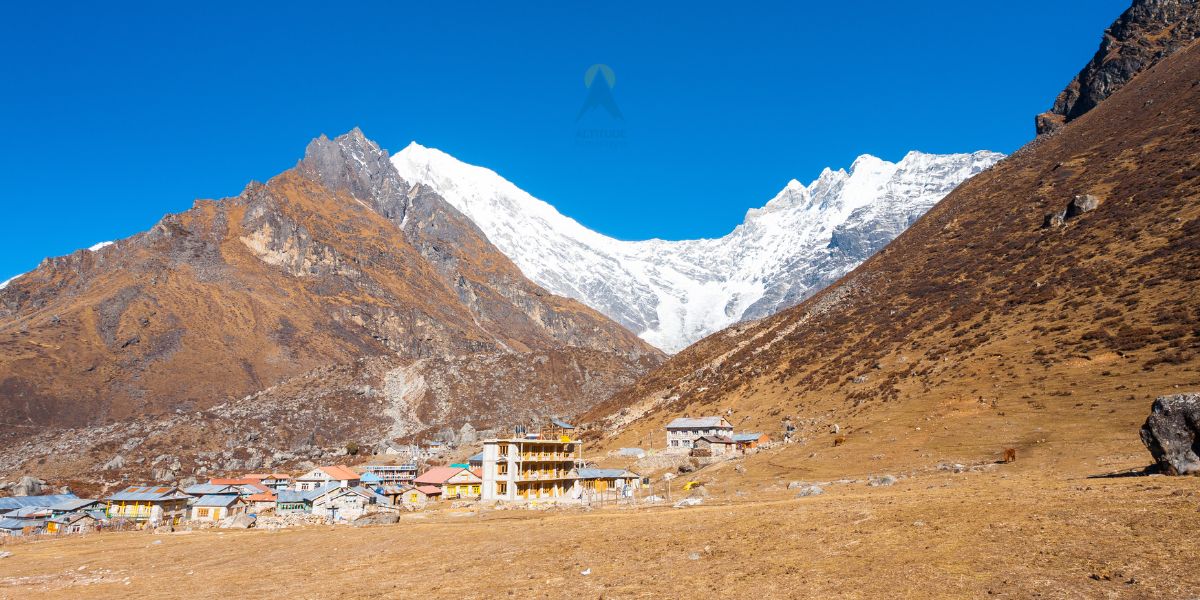
While you're in town, the locals may invite you to partake in the month-long celebrations of Dashain and Tihar/Deepawali (the two biggest Nepali festivals).
As the season rolls into December, it's basically autumn but colder and quieter. Temperatures range from 7°C to -12°C, and higher locations like Langtang Village, Kyanjin Gompa, and Gosaikunda start seeing snowfall.
The cold brings down the visitor numbers drastically, even though it's easily manageable with the right winter layering and gear.
Most locations are accessible, the weather is fantastic, and the trails are nice and peaceful!
Pros:
- Excellent views and pleasant weather.
- Most points of interest are easily accessible.
- Good all-around (later in the season is underrated).
Cons:
- Packed hotels, higher prices, and bustling trails early-to-mid in the season.
Winter (Late-December to February)
During peak winter, temps range from 6°C even at lower elevations and drop below -20°C at a higher elevation. The region receives a lot of snowfall at the higher region, such as the Kyanjin Gompa and also Langtang Valley itself, which can be a good or bad thing depending on who you ask.
If you're only travelling to Kyanjin, the valley is a glistening winter wonderland.
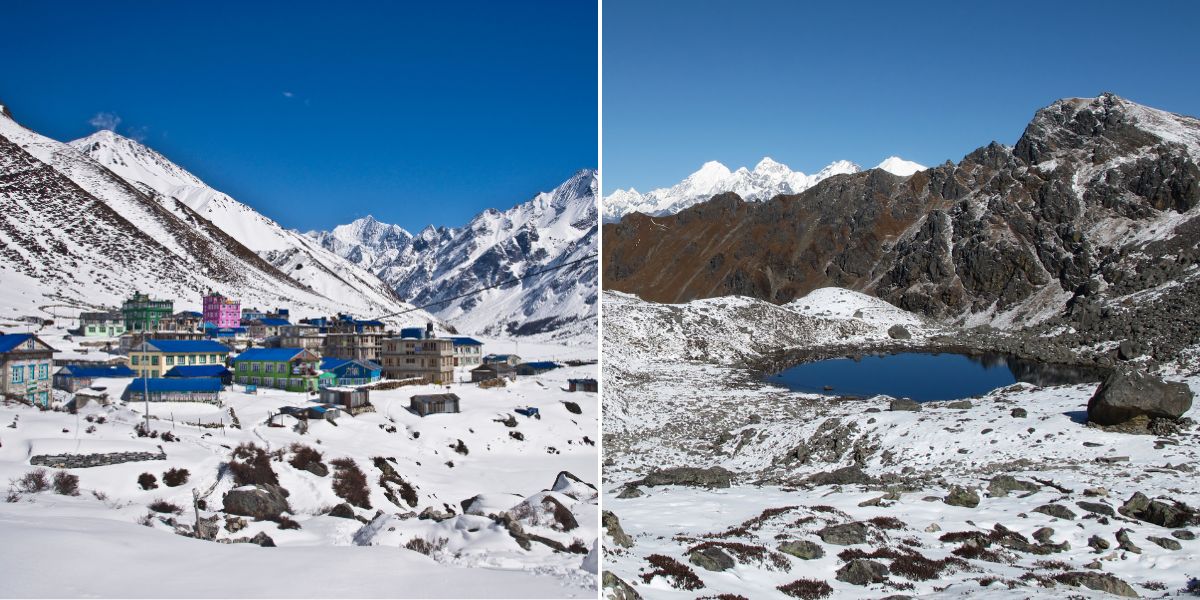
Most people can get to Lower Kyanjin Ri (4,400 m) or the frozen Lirung Glacial Lake (3,960 m approx.) north of the village at the very least.
But higher viewpoints, high trekking passes (like Ganja La and Tilman), and trekking peaks (Tsergo Ri and Kyanjin Ri) become very unsafe and mostly inaccessible. The snow is usually too deep and brings the risk of slip/fall and avalanches.
Some hotel owners close shop and stay at lower elevations until spring. Also, daylight hours are shorter, it gets colder faster, and you'll find your gear and water frozen in the early morning.
So, good time management, planning, and gear preparation are non-negotiable. But if you're well-prepared, you'll have an unforgettable Himalayan adventure!
Pros:
- Good weather, excellent views.
- Quieter trails and lower prices.
Cons:
- Must pack good winter clothes and equipment.
- Coldest season, and traversing snow can be tough.
Best Time For Different Treks In Langtang
Here, I have listed the best treks in the Langtang region and the best time to visit them so that you can easily determine or choose the trek of your liking. Please go through the list below to find out:
Langtang Valley
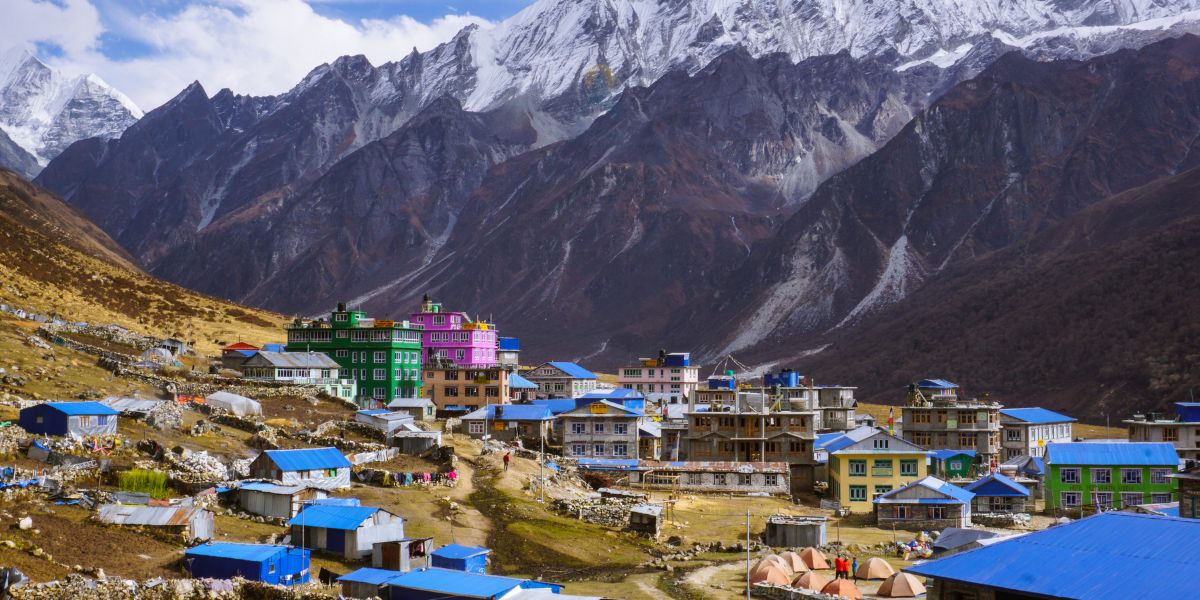
Best time to visit: Spring and Autumn
Spring:
- You can get unobstructed views of the south face of Langtang Lirung to the direct north of Langtang Village (north-west of Kyanjin Gompa) along with other ranges within the Langtang and Jugal Himal ranges.
- While walking through the route between Bamboo and Ghoda Tabela, the chances of spotting langur monkeys and musk deer are high (but only if you’re quiet).
- You will get to experience the glory of walking through the rhododendron corridor from Syabrubesi to Lama Hotel and further up to Pering Kharka.
Monsoon:
- During the monsoon (especially between Pairo and Bamboo), leeches are more active and aggressive in the shaded section.
- Arguably the best season for wildlife spotting, as you have better chances of seeing red pandas in the Bamboo-Ghoda Tabela forest trail during this quiet period.
- Huge risk of landslides and flooding (in both the Pasang Lahmu Highway and the lower trails up to Ghoda Tabela). So, it’s best to avoid this season.
- Even if you’re planning a trip during this time, make it happen during Langshisha Mela (in Bhadra Purnima).
Autumn:
- The trails up to Kyanjin Gompa remain dry, firm, and well-maintained (except for the times when there’s unexpected heavy snowfall).
- The best season for mountain views, as you can get spectacular views of Langtang Lirung, Langshisha Ri, Naya Kanga, Yubra, etc., from both Kyanjin Ri and Tserko Ri.
- You’ll likely spot Himalayan Tahr and Blue Sheep grazing on the slopes above Langtang Village and around Kyanjin Gompa’s yak pastures.
- Dashain and Tihar vibes can be experienced in Syabrubesi and even lower villages.
Winter:
- The winter months bring steep, icy sections in the trail from Langtang Village to Kyanjin Gompa, and crampons are usually recommended.
- Arguably a great contender alongside autumn for mountain views (on a clear day).
- This season coincides with Sonam Lhosar, which is greatly celebrated by the Tamang and Hyolmo communities.
Gosain Kunda
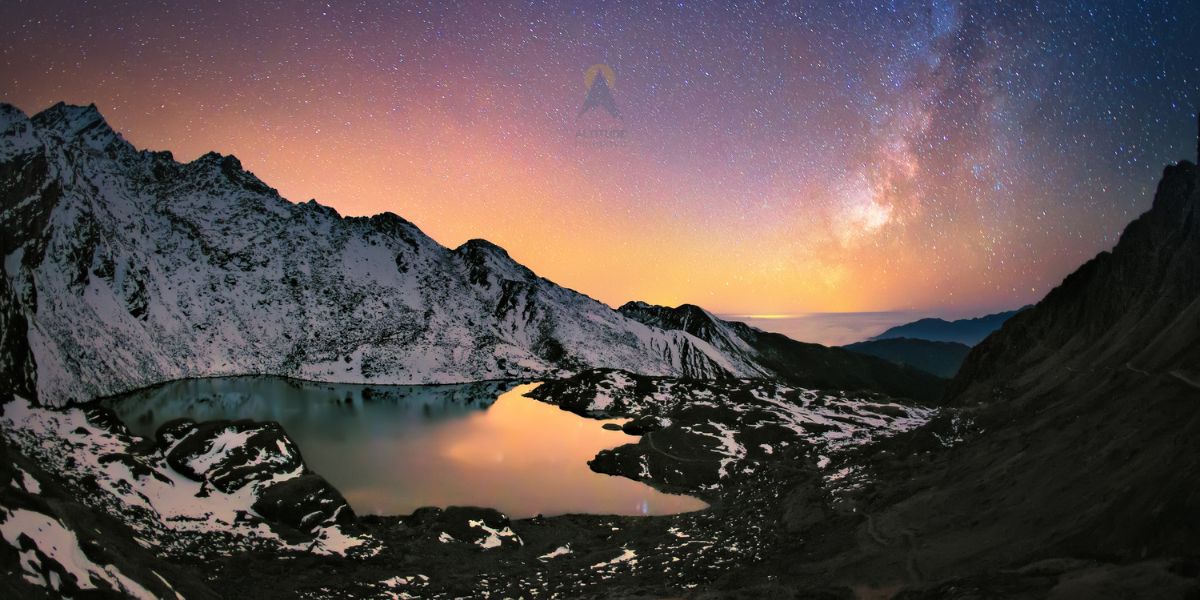
Best time to visit: Spring and Autumn
Spring:
- The trail route from Deurali to Dhimsa is the main highlight for crimson, pink, and white rhododendrons.
- You also get clear views of the Ganesh Himal range from the ridge above Sing Gompa/Chandanbari and glimpses of the Langtang range when the weather is fine. Also, from Laurebina and Laurebina Pass, the views of Dorje Lyakpa and other parts of the Jugal Himal Range open up.
- Just past Cholangpati, watch out for Himalayan Monal (Danphe), blood pheasant, and snow partridge, as this season gives high chances of spotting them.
Monsoon:
- During this season, the trail from Dhunche to Sing Gompa is the muddiest and most leech-prone section.
- And from Sing Gompa to Gosainkunda, the weather becomes even more unpredictable with persistent cloud fog and short bursts of heavy rain.
- However, it remains the peak season for Lord Shiva devotees and pilgrims during the sacred Shrawan month as well as during the Janai Purnima festival.
Autumn:
- One of the best seasons to trek, as the trail is dry and firm from Dhunche through Sing Gompa, Laurebina, and even up to Gosainkunda.
- You can witness different species of vultures (like the Himalayan griffon and lammergeier) and snow pigeons around Foprang Danda and Sing Gompa.
- Dashain and Tihar celebrations can be witnessed in both the Dhunche and Sundarijal routes.
Winter:
- The trail from Dhunche to Sing Gompa is walkable with limited snow at these lower levels, but from Sing Gompa to Laurebina, the snow is more consistent, making crampons and trekking poles compulsory.
- Also, teahouses become scarce here except for a few places (Dhunche, Chandanbari, Cholangpati, and Laurebina). Even at Gosainkunda, it can be limited or closed depending upon snow and trekker numbers.
- During this season, the lake freezes and is a sight to behold.
Tamang Heritage
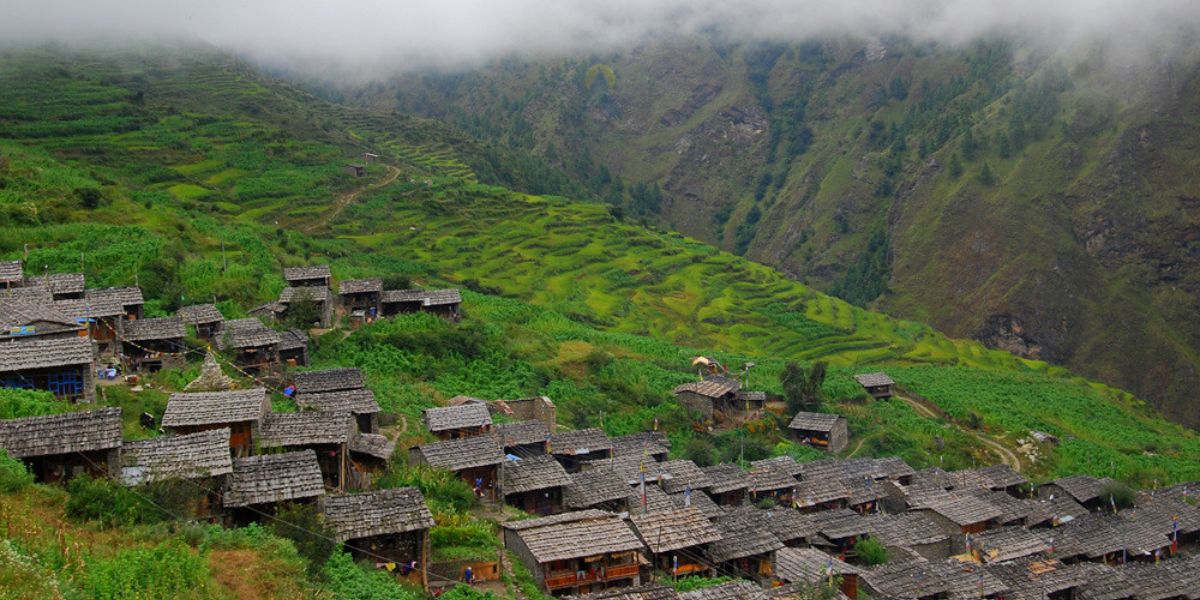
Best time to visit: Spring and Autumn
Spring:
- Trails are lush and flowering along the Nagthali and Brimdang trails with warm days and cool nights.
- You get to experience Gatlang’s Baishaki (a wine-tasting festival) in this window on the first day of Baishakh (April 13/14).
Monsoon:
- Trails are mostly muddy/slippery, with obscured mountain views and a high chance of landslides on steeper stretches toward Tatopani/Briddim.
- You get to witness one of Gatlang’s biggest religious festivals, Janai Purnima (August-September) at Parvati Kunda.
- Tatopani Hot Springs may be available.
Autumn:
- Trails are dry, firm, and best for photography (best condition to get nice shots of the mountain from Nagthali viewpoint)
- Wide panoramic views of Langtang and Ganesh Himal range.
Winter:
- The trail is covered with snow, which seriously complicates the Nagthali-Thuman-Timure high stretch near Tibet.
- Teahouses and homestays may have limited facilities during this season (so pre-booking the Tamang Heritage Trek is highly recommended).
Panch Pokhari
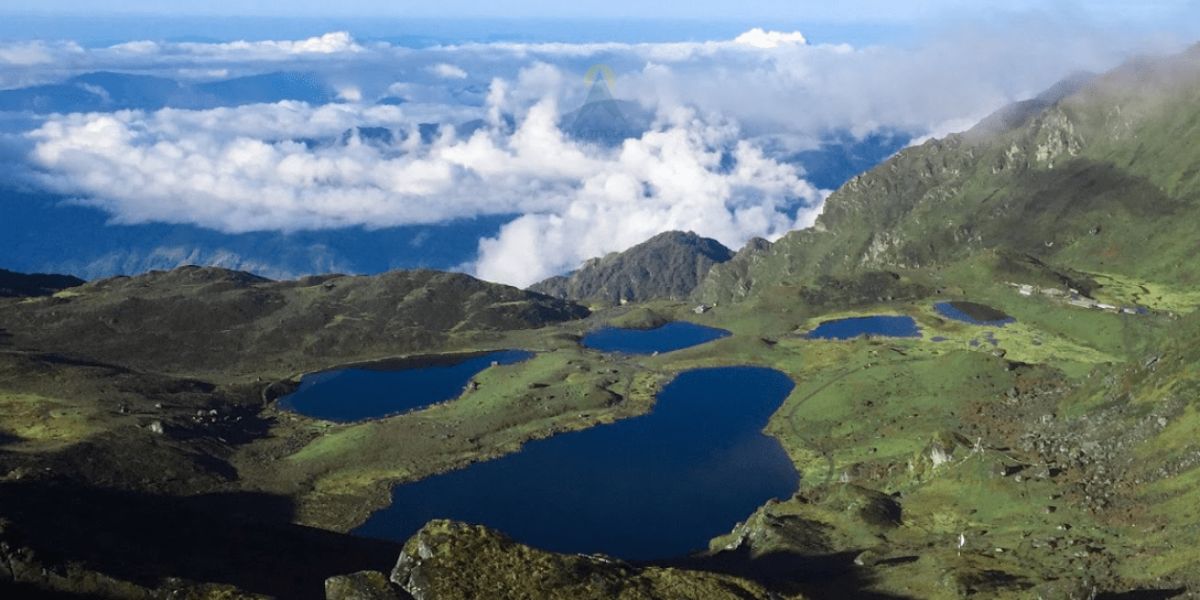
Best time to visit: Monsoon
Spring:
- May have some amount of snow patches on the lakes early in the season.
- During this season, you will be greeted with the bloom of rhododendron flowers all over the forest area (Chhimti to Deurali) of this trek, with various wildlife thriving.
Monsoon:
Saying this is the best season to visit here sounds controversial, and it is, but the landscapes and the festivities tell you a whole other story:
- The weather is obviously damp, with moderate to heavy rainfall. So, trails may be slippery, and leeches are present at lower elevations, with possible risks of landslides.
- But despite all these shortcomings, it's the best time because of the lush green landscapes that you get to see when you reach the top at Panch Pokhari Viewpoint. The entire hills are covered with varieties of wildflowers.
- Another reason to visit during this season is its cultural significance, as the Janai Purnima festival is also celebrated here. Though the lake gets packed during this festival, it’s still a once in a life time experience.
Autumn:
- Technically, this is the best time of the year, as the rain has long left the region and the weather is stable, with clear skies.
- The trail is also dry and uncrowded even in the peak season.
- As this season is a precursor to winter, the landscape gets its own hue: from the vibrant green in monsoon, it goes to the warm brown of leaves shedding their colors for the winter.
- The lake on top is usually ice-free and beautiful at this time of year.
Winter:
- During this season, the weather is as expected: cold at night, but also a caveat is that you get to see the clearest mountain views (mainly the Jugal Himal Range) if the weather is clear.
- The trail is mostly snow-covered on the higher elevations (as low as from Tuppi Danda onwards) when you’re close to reaching the lake.
- The ponds are frozen completely or partially, giving a different look than any other season.
Helambu Circuit Trek
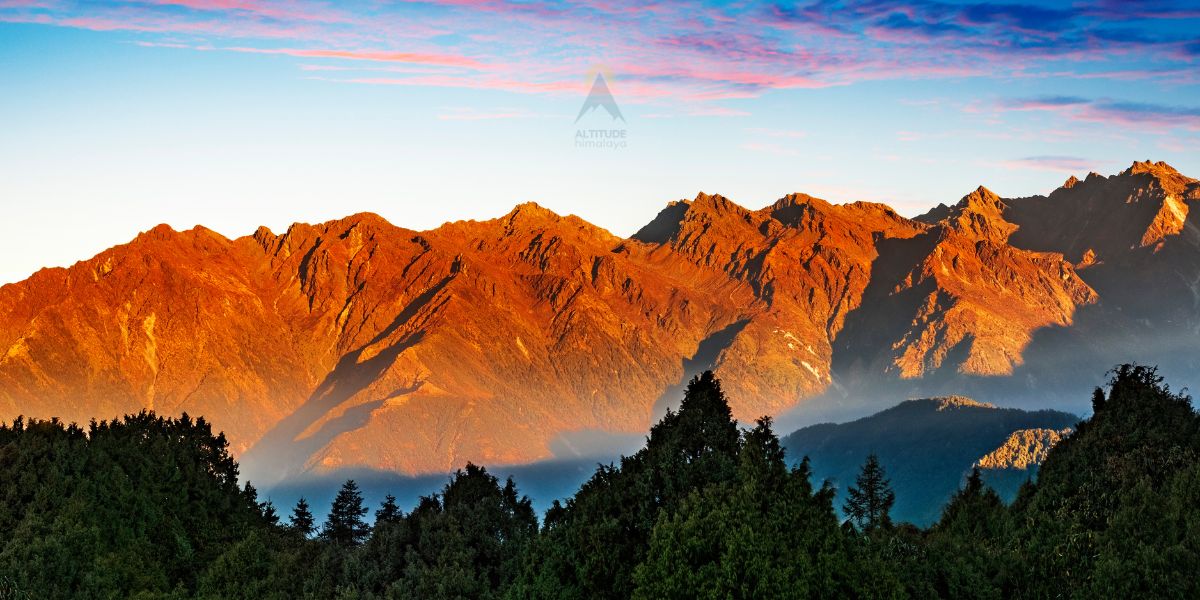
Best time to visit: Spring and Autumn
Spring:
- The trails are mostly dry and firm, with lower trails through Shivapuri National Park and Kutumsang being lush while the upper regions near Thadepati remain crisp and walkable without snow interference.
- During the late period of spring, you get to experience Saga Dawa, which is quietly celebrated in Helambu’s monasteries (in Tarke Ghyang, Melamchi Ghyang, and Sermathang), highlighting the significance of Beyul (a hidden sacred valley blessed by Guru Rinpoche).
- Also, late March to early May coincides with a local Chaitra full-moon pilgrimage at Ama Yangri.
Monsoon:
- The trails are muddy and slippery, especially below Thadepati, which becomes infested with leeches.
- As the main villages in this region are Hyolmo rather than Tamang, no major Hyolmo festival coincides with these months, so it’s the quietest season culturally.
Autumn:
- The shift in landscape during this season is strikingly beautiful as the golden harvest hue of millet and grain crops ripens in the terraced fields around Sermathang and Tarke Ghyang.
- Another big highlight is the Dashain festival, which is celebrated with a syncretic twist here in Helambu. During the festival, Tarke Ghyang Monastery brings out a sacred Padmasambhava idol once a year on Vijaya Dashami, i.e., the 10th day of Dashain.
- And during Tihar, which follows in late October/November, the villages are beautifully lit, and courtyards are decorated with prayer flags.
Winter:
- The weather during this season is mostly cold, with below-freezing temperatures at Thadepati and on the Ama Yangri summit (mostly during mornings and evenings).
- But surprisingly, the days are often sunny and sharp, showcasing the clearest haze-free mountain views of the whole year (Langtang, Jugal, Ganesh, and Gaurisankhar prominent ranges with distant peaks from Ama Yangri).
- The trails are trekkable but demand preparation as the snow settles on higher zones (particularly in Thadepati), whereas the lower regions such as Sermathang, Tarke Ghyang, and Kutumsang remain easily passable.
- This is considered the culturally richest season to visit Helambu, as Gyalpo Lhosar falls in this season, and exactly 11 days after Gyalpo Lhosar comes the Tshechu (Chhechu) festival, exclusive to Helambu’s Hyolmo villages.
Jugal Himal Base Camp
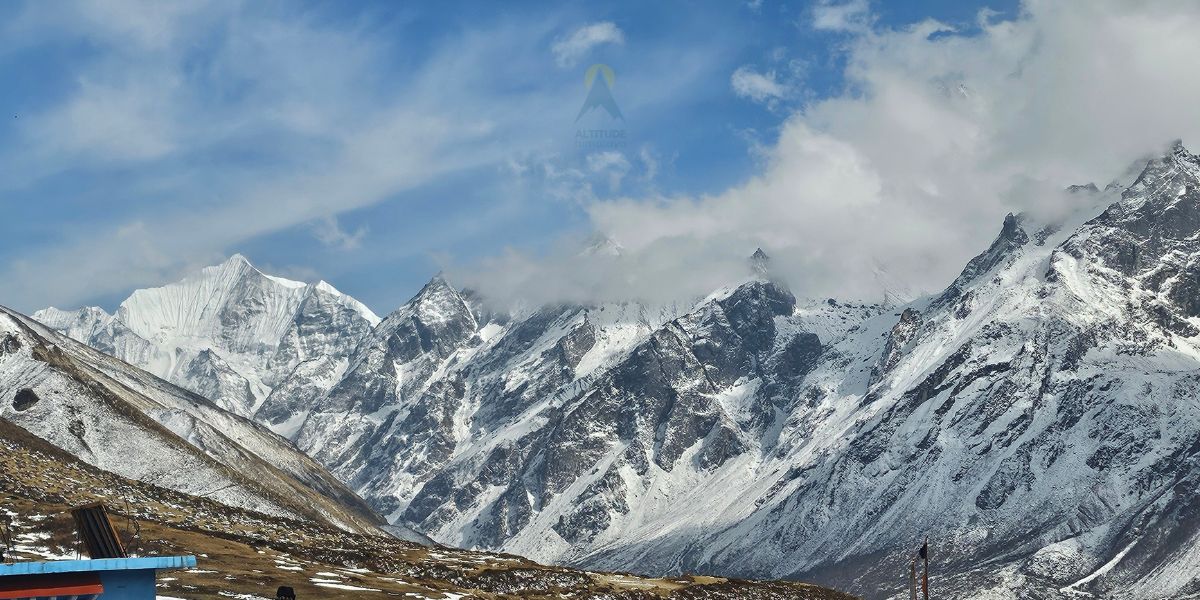
Best time to visit: Spring and Autumn
Spring:
- The trail is filled with wildflowers blooming, especially rhododendrons of various varieties and magnolias. The green meadows get covered in colorful flowers, especially around Panch Pokhari and Bhairab Kunda of Sindhupalchok (which are two routes you can choose to reach the Jugal Himal Base Camp).
Monsoon:
- The trails during this season, especially around the Panch Pokhari region, are the muddiest with maximum leech activity.
- Also, the trail beyond Panch Pokhari is unpredictable, with persistent cloud cover, and the terrain turns really wet and soggy.
Autumn:
- The good weather during this season offers panoramic views of Jugal Himal, Dorje Lyakpa, Phurbi Chhyachu, Langshisha Ri, Ganchenpo, Baden Powell Scout Peak, Leonpo Gang East, Gurkapo Ri, Bhairab Takura, Gyalzen Peak, Urkenmang (and others within the Jugal Himal and Langtang ranges).
- The trails are less crowded because Jugal Himal is still a less popular route than the Helambu, Langtang, and Gosainkunda treks.
Winter:
- The trail from Panch Pokhari to Jugal Himal Base Camp is walkable even in the winter, but it remains cold.
- The trail beyond Nosyam Pati is where snow becomes the most consistent.
- As the trek features off-the-beaten paths, tea houses are nonexistent during winter, which makes it tougher (relying mostly on tents is difficult).
Yala Peak Climb
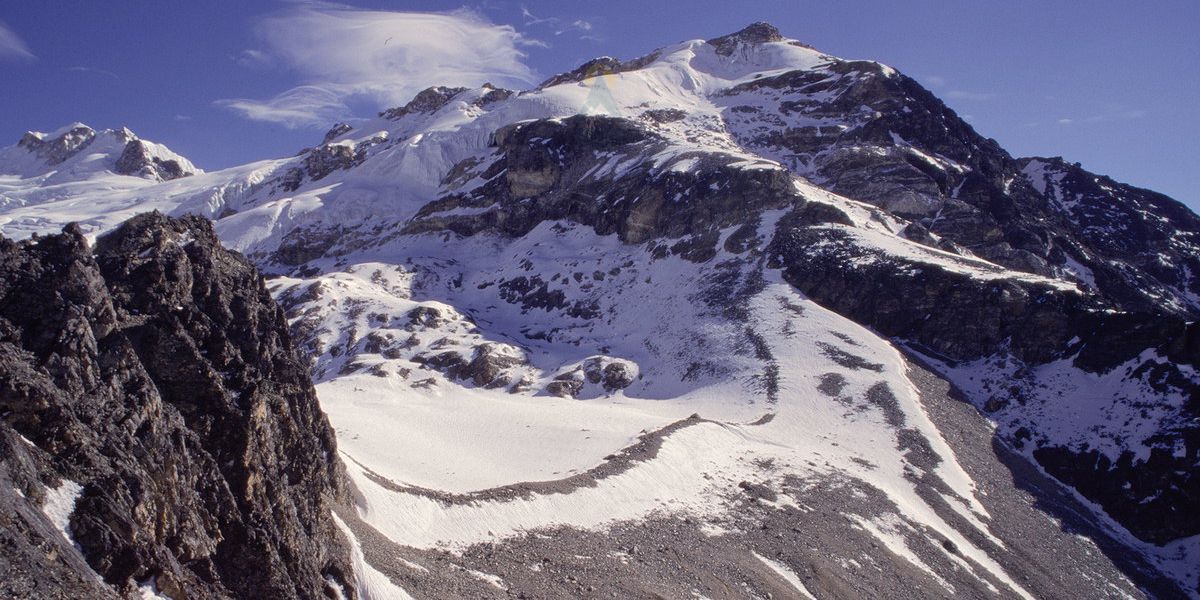
Best time to visit: Spring and Autumn
Note: The trail conditions, along with cultural highlights, remain the same as the Langtang Valley Trek, as you go the same route up to Kyanjin Gompa.
Spring:
- The snow on Yala itself is deep enough by April to give a solid, safe climbing surface.
Monsoon:
- Highly skipped season for actual summit. So, not recommended.
Autumn:
- This season is considered the most favorable time of the year for technical climbs using crampons and an ice axe.
- As with all other treks that fall under this season, you get to enjoy unobstructed views of the mountains (mainly Shishapangma, Dorje Lakpa, Langtang Lirung, Ganesh Himal, Nayakhang, Langshisa Ri, Yansa Tsenji, Morimoto Peak, Tserko Ri, etc.).
Winter:
- Apart from the monsoon, this season is the next big no for climbers to scale this peak as the sub-zero temperatures dominate even during daytime, and nights drop far below freezing!
- The trails at higher elevation can get blocked entirely, and the final glacier approach becomes trickier and more technical.
Climate Change: How It’s Been Affecting Treks in Nepal
Climate Change isn’t a new term, and we have been hearing about it since its discussion formally entered Nepal in 1992!
In fact, climate change has been directly affecting the trekking industry here in Nepal. Sadly, it’s only getting worse and worse every year.
The impact has become ever clearer to us. The recent heavy monsoon rains extending into late September and even October (a season once revered as the best time of the year to visit Nepal) are one clear sign of climate change.
So, the trails that typically used to stay dry past monsoon are now staying wet for a longer duration.
To give you a picture of how climate change is affecting everything, consider the most recent case of a flash flood that hit the China-Nepal border in Rasuwa on 26th August 2026 in the morning.
Everything was normal as usual when the unthinkable happened, and a burst of water hit the border with such immense force that it destroyed everything in seconds! The flash flood took many lives and devastated surrounding towns as it left a trail of devastation through the Bhote Koshi - Trishuli river system.
Another instance that we have experienced ourselves is the excessive, unpredictable snowfall and rainfall this spring (2026) in Langtang as well as other trails. Even at the end of the season, visibility remained poor, with low temps compared to previous years.
There’s another incident that occurred last year in 2025: the Department of Hydrology and Meteorology (DHM) issued extreme weather warnings with travel restrictions even in the peak season of October! During this, four Langtang trekkers got swept away because of a flash flood near Ghoda Tabela!
It’s not just about spring, autumn, and monsoon; the winter season here in Nepal is also under attack. In recent years, it's getting a lot warmer than expected, which is leading to naked peak sights even in winter, which is worrisome.
As the trend of uncertainty increases with climate change, the glaciers are also melting at a rapid pace. One clear example is Yala Glacier, which has shrunk by 66% since its first measurement and is expected to be obsolete in the next two decades!
If this isn’t a wake-up call, then I’ll share another such case with you. The Lirung Glacier, which melted and began forming the Lirung Glacial Lake some 25 years ago and is expanding every year, sits on land that used to be a yak-grazing land.
The conclusion here is that the once predictable weather pattern in Nepal has become unpredictable, as the trekking season windows are getting narrower and less dependable than used to be because of climate change and season creep.
So, right now, it's a must to stay up-to-date with the weather updates and warnings even during the best seasons like Spring and Autumn. To safely finish your trek (whether in Langtang region or elsewhere), you must account for a proper planning regimen.
Remember: If you’re visiting Langtang from outside Nepal, it’s best to let a local operator like ourselves handle this for you, as we get the latest updates directly from people in the valley.
Which Season is Best for You?
If you’re this far into the article, then you are well aware by now that each season/month has its own unique charm. The best time of the year is mostly subjective at this point, and it totally depends upon what you’re looking for:
- In case you’re looking to get a spectacular view of the mountains and photographing them is your main priority, then Autumn and Spring are your best bets.
- If you are someone who is looking for an easy trek and pleasant weather, then Autumn and Spring would be the go-to choice yet again.
- If you’re solely into wildlife spotting, then Spring would be the best window.
- Similarly, if you’re someone looking to indulge yourselves in the cultural experience of the place, then it’s best to check festival dates and the month; it depends on which festival is being celebrated in a particular month. So, it varies according to what you’re looking for!
Now, here are some tips from our Langtang Valley team members to help you pick the best time for different Langtang trekking routes:
- Get the latest updates from the DHM or global weather forecast sites. Especially, keep an eye out for extreme weather warnings. Safety should be your highest priority!
- Join online forums and Facebook groups. Ask people who were recently there about their trekking experience and trail conditions.
- Get updates from locals on the ground if possible.
- Even better is to contact us directly, as one or more of our team members are usually in Langtang.
- Ideally, have a couple of buffer days planned. I’ve personally gotten stuck on the highway and on the trail before due to poor weather and road blockades. A tight schedule could mean ruined plans.
- Budget properly! Off-season trekking can take longer than expected; you might get stuck sometimes, or you could be unwell/injured and need rescue. Make sure you carry enough cash.
- Pack proper gear for the season you’ve chosen (dry clothing set, microspikes, spare goggles, etc).
- Once you’ve chosen the time to visit, research which attractions take center stage at that time, from festivals to best viewpoints. Make the best of your trek!
Preparing for the Langtang Valley Trek
A standard 7-day Langtang Valley itinerary is a good fit for most trekkers most of the time. But you can still customize it for a few main reasons:
- For the Langtang Valley Trek, if you want extra days in Kyanjin to explore interesting hidden locations nearby, 8 days would be beneficial. You can plan for Langshisha Kahrka or Langtang Lirung Base Camp with that extra day. Also, that one day buffer comes in handy in case you get stuck due to bad weather or trail conditions.
- In case you want to stay at a village or homestay for multiple days to immerse in the local lifestyle, culture, spirituality, and history, you can plan for a custom itinerary accordingly.
- If you want to combine a nearby trek like Gosaikunda, then our 9-day itinerary would be best for you!
- When travelling in peak monsoon or snowfall, buffer days are even more crucial.
Packing Tips
Being prepared is the best thing you could do when you’re going on any sort of adventure, and knowing how to pack the right equipment for the said adventure is a must as well.
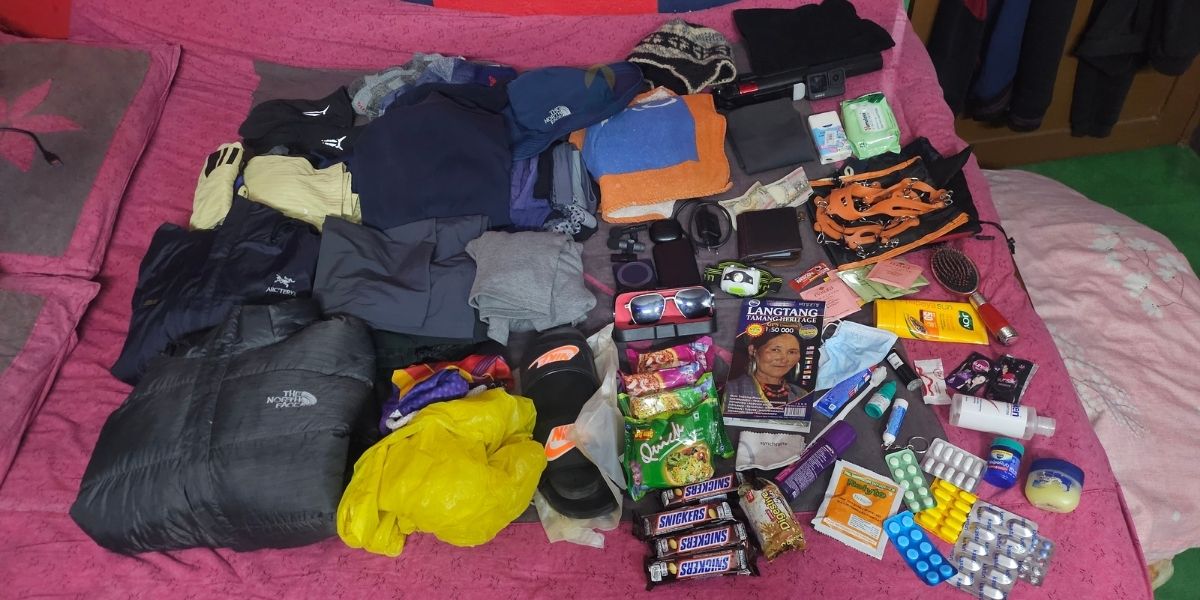
So, here is the required packing list for you to go through or reference when you’re planning on going on any trek within the Langtang region:
- Rain gear is non-negotiable for monsoon:
- Rain jacket, poncho, an umbrella, anything will do. Just have some form of rain protection.
- A waterproof pack liner or cover and dry sacks are a good idea.
- And make sure you have an extra set of dry clothes to change into at camp. Hypothermia is a real risk in the mountains, so don’t wear wet clothes!
- Similarly, carry snow and cold gear for winter trekking:
- Microspikes, gaiters, gloves, buff, trekking pole, puffer, and sleeping bag are recommended depending on the trail conditions.
- Ensure you have a dry set of warm clothes for camp.
- Keep your water bottle, batteries, socks, and shoes inside your sleeping bag if possible. Otherwise, they may freeze overnight.
- In the warm seasons, you can get away with ultralight packing if that's your style.
- But in all cases, check the weather and temperature forecast before you finalize your pack and head out.
Fitness, Mental Endurance, and Trail-Wise Preparation
To embark on any kind of trek (be it in the Langtang, Everest, or Annapurna region), it's always important to take your fitness into consideration. It is a must to prepare yourself for a trek, whether it’s a short, 5-day Langtang Valley Trek or an extended one spanning from 15 to 20 days.
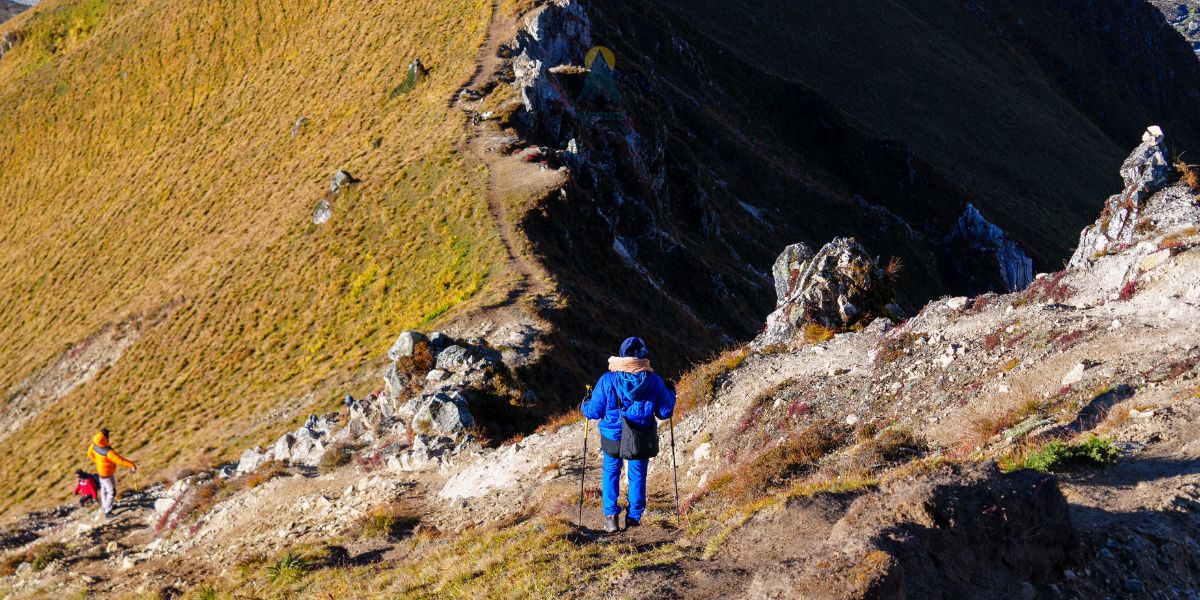
Preparation should not be taken lightly, and we have made sure that you follow our suggestions to help you get right on track:
- Being fit helps in any season, but for off-season trekking specifically, you also need the right mindset and mental preparation. Keep in mind that you may have to walk in constant rain, deep snow, and negative temperatures.
- Take care during strong river crossings, and understand that some locations may be inaccessible in the off-season. Never compromise safety for some short-term fun.
- In warmer seasons, stay vigilant against sunburn, dehydration, and heatstroke.
- You only need the Langtang National Park permit for the standard route. But nearby trails like Tamang Heritage require a Restricted Area Permit (RAP). Likewise, if you’re entering Langtang from other protected areas (mainly Shiapuri NP for Gosaikunda Trek and Gaurisankhar CA for Jugal Himal BC Trek), you’ll require additional permits.
Budgeting and Insurance Tips
Whenever you’re travelling, may it be any place on Earth, it is a must for you to know how to budget your trip or trek costs beforehand. This makes it easier to handle it later on rather than doing everything at the spot. Here are a few tips from my side:
Conclusion
By now, you’re well versed in the idea of different seasons in Langtang and which one is best for your particular activity.
If I had to choose, I would say October would be my choice to go trekking in the Langtang Region, as during this time the trails are quieter and calmer as well.
There is an air of celebration as Dashain, Nepal’s biggest festival, starts right in the middle of this month. You will get the chance to experience a blend of Hindu and Buddhist culture on the trails of Langtang. So, note that the Dashain festival they celebrate there is a bit different from the main city.
The predominant locals, i.e., Tamang people who are primarily Buddhist, create altars for their ancestors, combining Buddhist rituals with symbolic participation in Tika, as Dashain is not all about religious devotion in these parts but rather about honoring ancestors.
And the views are a bonus while trekking during this month, along with pleasant temperatures!
Also, May is quite a popular month for peak climbing around Kyanjin. A large group of climbers visits the area during this month to climb the beginner-friendly Yala Peak South (5,520 m).
It so happens that no peak climbing permits are required to climb it. This peak sits just under the 5,800-meter cap. Even so, it is highly advisable to take a guide, as climbing any peak, no matter how small it maybe, carries some sort of risk.
Apart from trekking and peak climbing, another activity that can be done during May and Late Oct-Nov is remote camping around Langshisha Kharka, Nyengang Kharka, Morimoto Base Camp, etc.
Late December to February is just highly underrated in general. The trail, views, and weather - everything is lovely if you can handle the cold!
Just one final reminder: the traditional idea of choosing the right trekking season is outdated now. Regardless of what season you visit, make sure to plan well with the latest weather updates. And if you’re not sure how to do that, we’re always here to help!


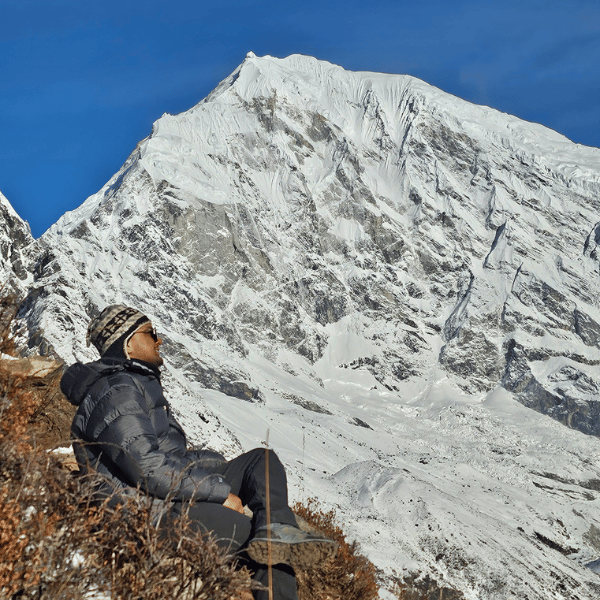 Bhishu Acharya