Planning your budget is one of the biggest parts of your trek preparation. From transport to meals and accommodations, you need to ensure that your budget covers everything. And in regions like Langtang National Park, even the season you trek determines the prices.
Additionally, the type of traveller you are determines the overall cost. If you are a budget traveller, okay with basic teahouses along the way, you won’t be spending much. But if you are particular about your choices and want everything catered to your preferences, then the price is going to soar immediately.
In this blog, we are going to look at the different factors that will determine the overall cost of your trek on different trails within the Langtang Region with a proper breakdown. This will allow you to understand where your money is going, providing you with more transparency.
Important Note: Following the 2026 Bhote Koshi flood, infrastructure along the Langtang trekking route faced major disruptions. As local communities rebuild, transport and teahouse prices may fluctuate more than usual. The costs provided in this guide serve as rough estimates. We humbly request that trekkers show flexibility and support to local business owners and supply operators if prices on the ground are slightly higher than expected. Because of these dynamics, our package prices are subject to revision. Please contact us directly for current figures and customized quotes.
Quick Guide: How Much Does Trekking in Langtang Cost?
Budget cost is for budget travellers who are okay with basic teahouses, package systems, and even public transport like buses and vans.
The standard cost is what you can call a mid-range cost while trekking. The terms are more flexible when you pay a standard cost. There is no requirement for you to choose a package stay or choose public transportation. Compared to budget travelers, you can get more facilities for the said price.
When it comes to a premium cost, you can get everything based on your preferences. For instance, you do not have to stick to teahouse menus; you can instead take a kitchen team with you!
Similarly, instead of sharing rooms, you can ask the agency to book a private room for you or take a trekking crew who will set up a camp for you. Here’s what to expect in different Langtang treks:
|
Treks
|
Duration
|
Budget Cost
|
Standard Cost
|
Premium Cost
|
|
Langtang Valley Trek
|
5 to 11 days
|
USD 350 - 550
|
USD 600 - 900
|
USD 950 - 1,600+
|
|
Gosaikunda Lake Trek
|
5 to 7 days
|
USD 450 - 600
|
USD 650 - 800
|
USD 950 - 1,250
|
|
Langtang Valley - Gosaikunda Lake Trek
|
9 to 12 days
|
USD 650 - 800
|
USD 850 - 955
|
USD 1,250 - 1,650
|
|
Tamang Heritage Trek
|
6 to 10 days
|
USD 370 - 550
|
USD 650 - 800
|
USD 900 - 1,000
|
|
Langtang Valley with Tamang Heritage Trek
|
11 to 14 days
|
USD 700 - 900
|
USD 920 - 1,000
|
USD 1,300 - 1,650
|
|
Tamang Heritage - Langtang - Gosaikunda Trek
|
19 to 21 days
|
USD 700 - 975
|
USD 1,000 - 1,300
|
USD 1,465 - 1,850
|
|
Helambu Circuit Trek
|
7 to 11 days
|
USD 395 - 600
|
USD 685 - 850
|
USD 995 - 1,300
|
|
Panch Pokhari Trek
|
5 to 12 days
|
USD 400 - 580
|
USD 700 - 800
|
USD 1,100 - 1,300
|
|
Jugal Himal Base Camp Trek
|
12 to 18 days
|
USD 790 - 1,200
|
USD 1,330 - 1800
|
USD 2,000 - 2,800
|
Table 1: Estimate ranges of budget cost, standard cost, and premium cost for different trails within the Langtang National Park.
Note: The duration is subject to change based on your pace as well as the route you choose for the specific trail.
Factors that Affect Cost in Langtang Treks
When it comes to preparing a budget for your trek, you need to consider numerous factors that could affect the overall cost of the trek. Duration is one of the greatest determinants of the cost; the longer your itinerary is, the more you will be spending.
Look at the table below to see the factors you will be spending on within a certain duration along with their estimated cost ranges.
|
Cost Factors
|
Approx. Cost Range (per person basis)
|
Impact on Budget
|
|
Transportation (for private group transportation)
|
USD 65–135 per person
|
Moderate to High (depends on group size and route), choosing public transportation costs way less (approx. USD 10-15 one-way)
|
|
Accommodation
|
USD 5–20+ per person per night
|
Moderate (higher in remote and high-altitude areas)
|
|
Permits
|
USD 20–50+
|
Route-dependent (you only pay the permits applicable to your route)
|
|
Meals and Drinks
|
Meals: USD 5 - 15 per meal
Drinks (non-alcoholic): USD 2 to 5+ per drink
|
High (food gets more expensive as you reach remote areas at high altitude)
|
|
Charging, Wi-Fi, Hot showers
|
USD 2–10+ per service
|
Variable (depends on teahouse)
|
|
Snacks and Medications
|
USD 20 - 50+ (for the entire trip, paid once)
|
Low to Moderate (depends on personal needs.)
|
|
Guides and Porters Salary
|
Guides: USD 30 - 40+ per day
Porters: USD 20 - 25 per day
|
Variable (depends on trek, group size, agency, and services included)
|
|
Tips (to Guides, Porters, Drivers)
|
10% - 15% of your overall budget (optional but customary)
|
Low impact. Given at the end of the trek after successful completion.
|
|
Emergency Cash and Personal Expenses
|
USD 100 - 200+ for the entire trip
|
Variable (depends on your personal standards, travel style, and the trail you take)
|
Table 2.1: Various cost factors, estimated cost, and their impact on your spending.
If you are wondering why there is a vast difference in the price range of certain factors, then you need to know this – while some factors depend on the type of traveller you are (budget or luxury), other factors are determined by how isolated the region is.
Now, let’s look into each factor to get a better understanding.
Transportation
When it comes to Langtang Valley, Gosainkunda, and Tamang Heritage Trail, the ideal starting point is either at Dhunche or Syabrubesi. The Helambu Circuit starts from Sundarijal, and Panch Pokhari can be started from either Chhimti or Chautara.
No matter where you choose to start your trek from, you will need to take a ride to the starting point. And the choice of vehicle you choose to take to the starting point can affect the overall expense of your trek.
When it comes to transportation, you have two options: a public bus or a private vehicle (mostly jeeps and 4WDs). As you can guess, the public bus tickets are far cheaper than hiring an entire vehicle for a private drive.
But both modes of transportation come with their pros and cons. While buses are cheap, you need to make sure that you reach the bus stand on time and get the tickets beforehand. This option is more suitable for budget trekkers.
However, the buses keep making stops for other passengers throughout the route. It can get overcrowded, and one must adjust to comfort and time. A ride to Dhunche that normally takes about 4-5 hours could last for 6-7 hours or even more.
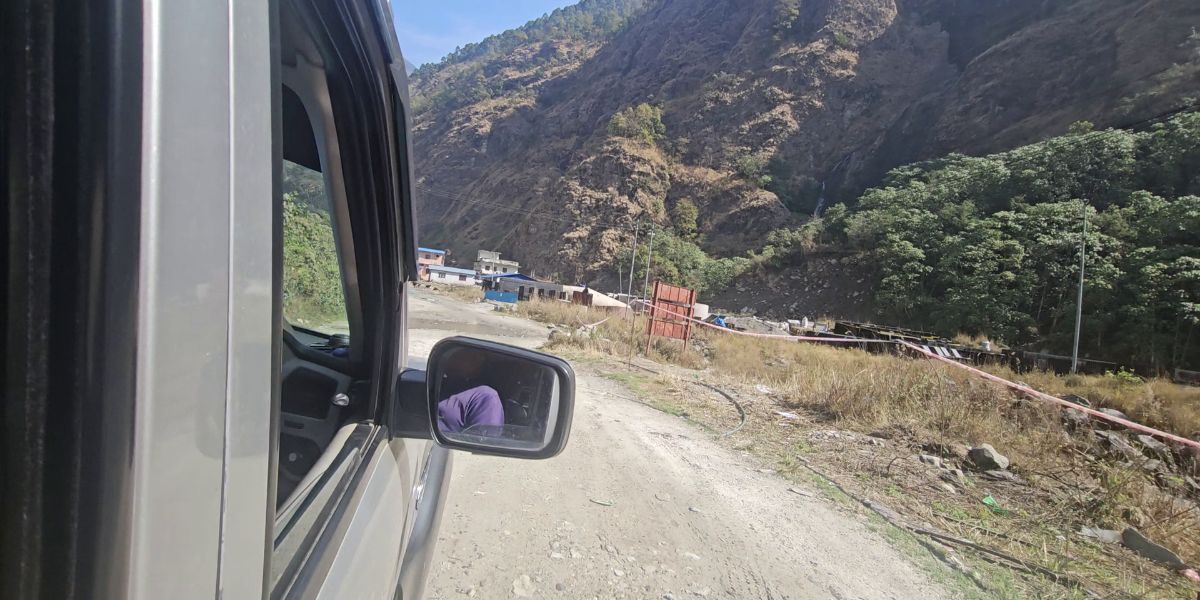
A private jeep can be extremely expensive for a single trekker to bear the overall cost. It is more suitable for those trekking in a group, as the cost can be divided among the members.
Private group transportation works out roughly like this:
- 2–3 people: about $135/person
- 4–6 people: about $120/person
- 7–10 people: about $70/person
- 11–15 people: about $75/person
It is more comfortable, and you have flexibility with timings. You can start from Kathmandu at your own time and make stops along the way. You will also reach Dhunche or Syabrubesi faster compared to a bus ride.
If you start early in the morning around 6 AM, you will be there by 1 PM. If you want, you can also start your trek the same day, but you must consider your walking pace.
Some transport services also offer shared jeep services, where you book your seat. However, you cannot be sure about whom you will be sharing the ride with.
Accommodation
The types of accommodations that you can find in the trekking trails of Langtang are lodges, teahouses, and homestays. It’s very rare to find places that meet the standards of a hotel, and the best you can find are lodges!
You are more likely to find lodges in regions where roadways are connected or places where tourism is stronger. The rooms have better ambiance compared to teahouses and homestays, and most of them have attached bathrooms. Lodges in the Langtang Region can cost you anywhere between $8 to $20 per person per night.
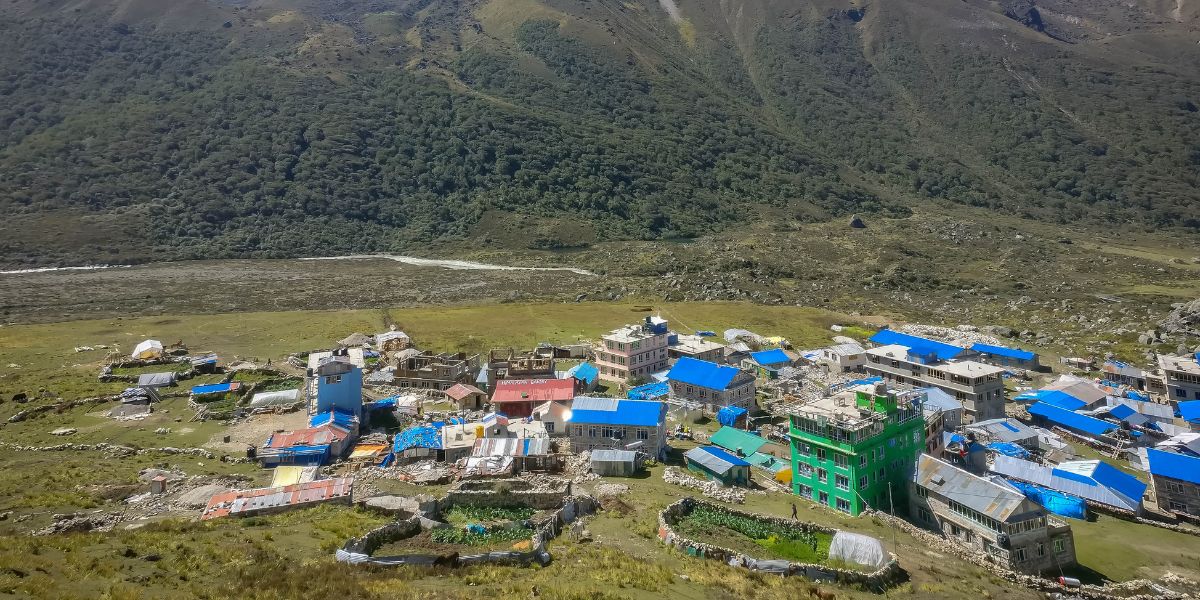
Teahouses and homestays are more common in settlements that you will find once you enter the trails. They have simple rooms, and I would not suggest expecting more than a bed and a clothes hanger at most in these places.
While you might find rooms for as low as $5 in the lower regions of the trail, once you go higher, even the smallest rooms can cost you as high as $15.
Permits
When it comes to permits, you pay once, and the price is fixed. Once you pay the necessary Langtang permits, you don’t have to worry about paying for others once you enter the trail.
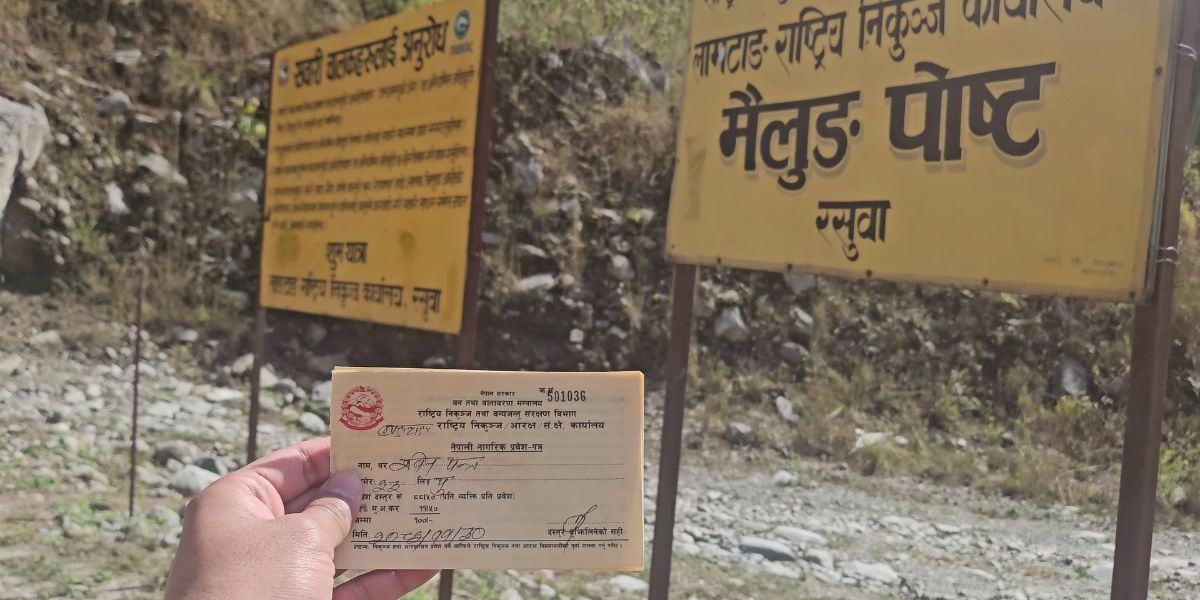
If you are crossing more than one National Park or Conservation Area for a single trail, you must pay for the permits of all the protected areas that are on the trail.
These are the mandatory permits that you will have to pay for while trekking in Langtang National Park:
|
Permits
|
Cost
|
|
Langtang National Park Permit
|
- Foreigners: NPR 3,000
- SAARC Nationals: NPR 1,500
- Nepali Citizens: NPR 100
|
|
Shivapuri - Nagarjun National Park (for trails like Helambu Circuit that goes via Shivapuri National Park)
|
- Foreigners: NPR 1000
- SAARC Nationals: NPR 600
- Nepali Citizens: NPR 100
|
|
Gaurishankar Conservation Area (for trails like Jugal Himal Base Camp Trek going via Gaurishankar Conservation Area)
|
- Foreigners: NPR 3000
- SAARC Nationals: NPR 1000
- Nepali Citizens: NPR 100
|
|
Trekkers Information Management System (TIMS) Card
|
Foreigners:
- Individual Trekkers: NPR 2,000
- Group Trekkers: NPR 1,000
SAARC Nationals:
- Individual Trekkers: NPR 600
- Group Trekkers: NPR 300
|
|
Restricted Area Permit (RAP) (for Tamang Heritage Trail)
|
US$20 per week
|
Table 2.2: Costs of all the mandatory permits that trekkers must pay according to their itinerary.
Please note that children below the age of 10 do not have to pay for the entry permits of National Parks and Conservation Areas.
And in case you are trekking for commercial shooting purposes with heavy filmmaking gear, then you will need more permits approved by the government. Read our blog on Permits for Trekking in Langtang to get detailed information.
Meals and Drinks
The pricing system for meals and drinks in Langtang is similar to that of accommodation. In regions where the roadway has reached, food is much cheaper. As you reach higher altitude regions of Langtang that are more isolated, food prices increase drastically.
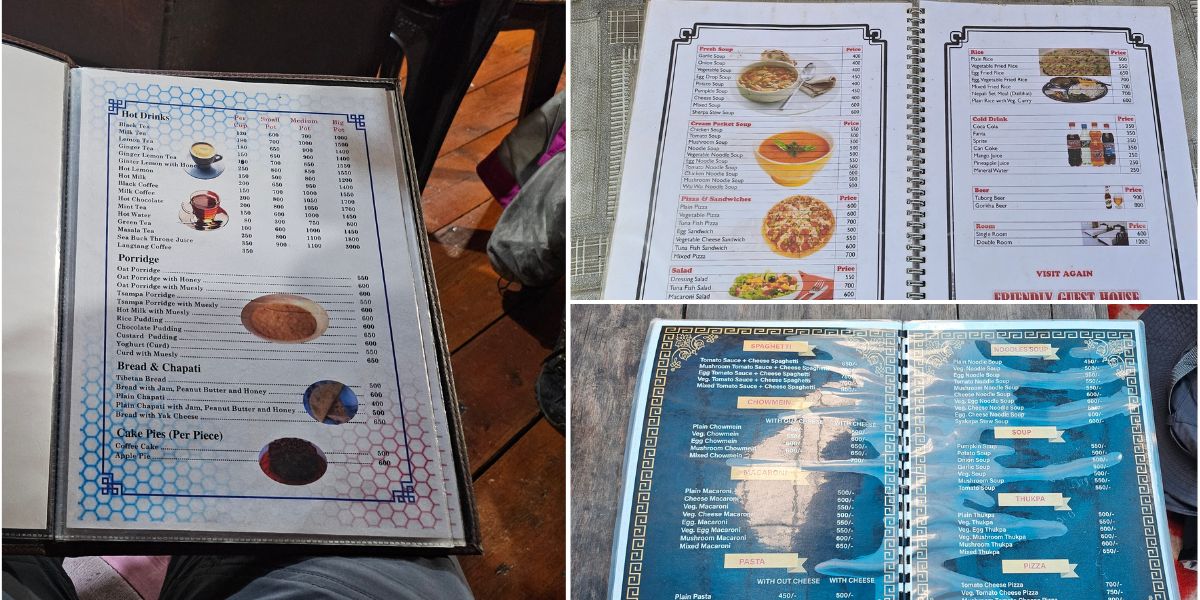
In lower regions, your breakfast can cost you around $4 to $6, and your lunch and dinner can cost anywhere between $5 and $10. But as you go higher, your breakfasts can cost around $8, and the prices of lunch and dinner can range anywhere between $9 and $20.
If you are a budget traveller trekking individually, what you can do is take the package offered by teahouses and homestays. The packages can cost you about $15 to $20 in lower regions and $25 to $30 in high altitude regions.
When you take the package, your meals and accommodation will be included in the given price. However, you won’t have the freedom to choose your meals from the menu, and in case you order anything extra from the menu, you will have to pay for it separately.
Charging, WiFi, and Hot Showers
In places like Syabrubesi, Melamchi, and Chisapani, you will find plenty of lodges where you can take a shower whenever you want with rooms that have uninterrupted internet and power supply.
But once you start your trek, these services come with a price. As the regions get more remote, services are scarcer. So teahouses and homestays sell wifi connections, charging, and hot showers as additional services.

This might sound unfair at first, but once you see the reality of the trails, you will start seeing the prices as a part of the daily expense. Due to the geographical placements of the settlements of the trails, it is hard for them to receive a stable power supply from the micro-hydropower stations nearby.
And even in places with solar panels, the panels are only big enough to power the lighting within the structure. That, too, is often disrupted as the weather is unpredictable and the deep forests block the sunlight.
Here are the estimated costs for these services:
|
Additional Services
|
Estimated Price (per use/session)
|
|
Charging
|
About $2 to $3
|
|
WiFi
|
About $2 to $5
|
|
Hot Shower
|
About $1 to $4
|
Table 2.3: Estimated price range of additional services like charging, WiFi, and hot shower in the trails.
Snack and Medications
In every blog that we have written where snacks and medications enter the conversation, one suggestion remains constant: buy most of your snacks and essential medications in Kathmandu. Once you leave Kathmandu and head towards Langtang, it’s hard to find a town where you can find choices for snacks.
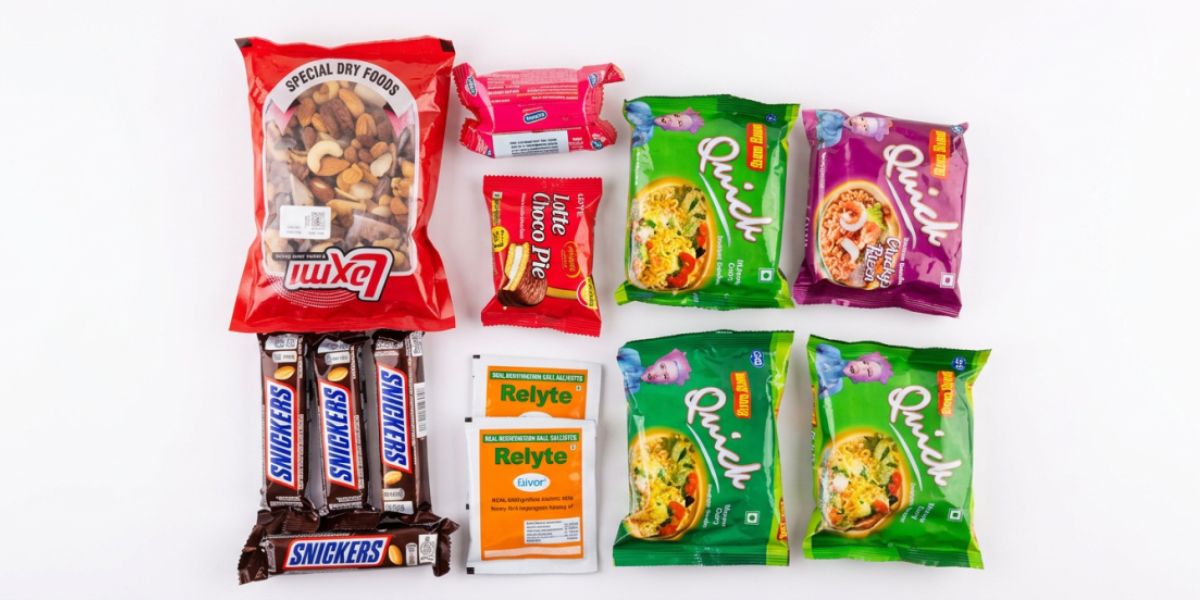
While medications are available in towns at the same price, you might not be able to find them all at the same place. And it would only be a trouble for you to go around looking for pharmacies.
Granola bars and yoga bars can cost anywhere around NPR 120 to 330. Ready-to-eat noodles and other packaged snacks are generally inexpensive in Kathmandu, although prices can be higher once you reach the trekking trails.
As for trail mix, local brands can cost approx. NPR 500 for a packet of 250 gm, and premium brands can go as high as NPR 1200.
So for a trek lasting a week, you can set aside about $30 (or more) for snacks and medications. Medications can be found at local pharmacies, and their MRPs can be found at the back of the strips or bottles. Your overall spending on snacks bought on trails can be double the budget mentioned here or even higher.
Guides and Porters Salary and Tipping
If you are trekking through an agency, they will hire a guide and porter as per your request, and your agency normally includes staff wages in the package price. In that case, you should only look after the tip once the trek ends.
When it comes to guides and porters, their payment is calculated according to the number of days on the itinerary. While the starting rate of guides per day is $30, prices go higher based on the guide's experience, difficulty of the trail, and communication skills.
Similarly, for porters, the starting price is $20/day, and the rates may go higher depending on the same factors. It is not mandatory to hire a porter unless you really need help or your trail requires camping.
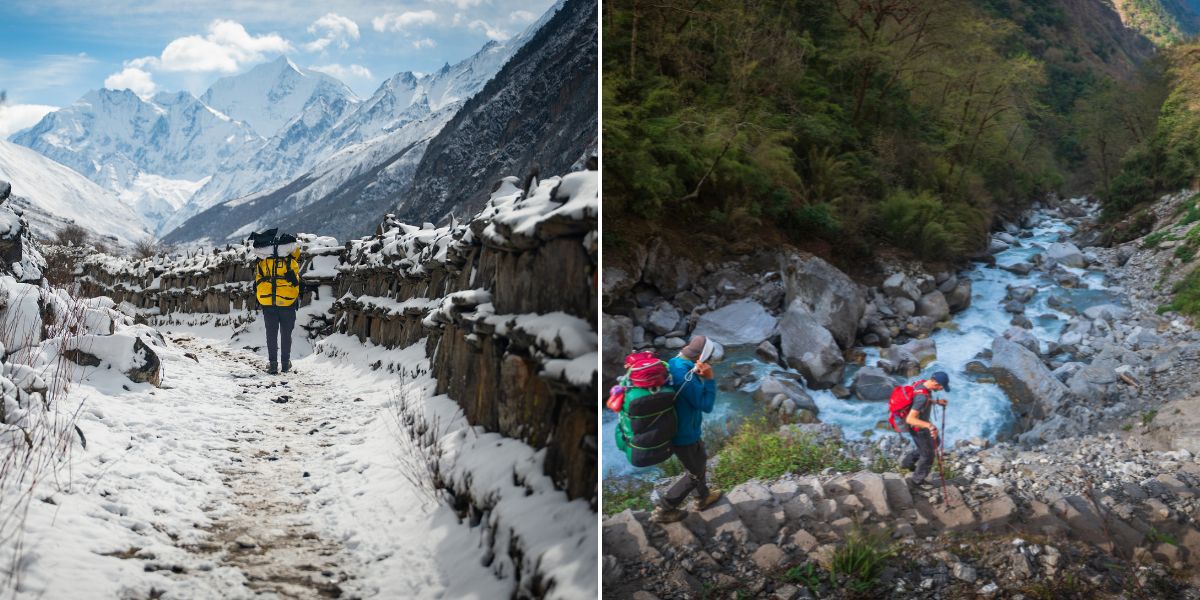
Porters may charge extra when it comes to camping. This is because the trails are rougher and camping gear is bulkier than normal trekking items. Always make sure to weigh your belongings before the trek so you can practice ethical hiring! A porter will carry around 22 KG baggage for two people.
And don’t forget to tip your driver once you reach the destination and your porters and guides after you finish the trek. It is not mandatory, but it is a custom, and a simple act of gratitude goes a long way.
As a general idea, you can tip them about 10% to 15% of your overall Langtang trek cost.
Emergency Cash and Personal Expenses
Carrying extra cash for emergencies and personal expenses can never go wrong. If you are traveling with an agency, you can rest assured that your guide is going to handle all the payments for accommodations and meals. However, you can also carry your separate stash of cash in your day pack or your fanny pack.
But if you are trekking independently, you will still need to carry extra cash for these purposes. What you can do is always keep your extra cash separately from the cash you have allocated as the budget for your trek.
Even with a guide, you might face the same problems that independent trekkers do, such as road blocks, route modifications, and buffer days. In such circumstances, if you or your guide runs out of the budget, you can always rely on your personal cash.
And although the Langtang Region is quite remote, each settlement, no matter how small it is, is culturally rich. You will find local yak cheese factories in some places and bakeries that sell homemade pies and cakes.
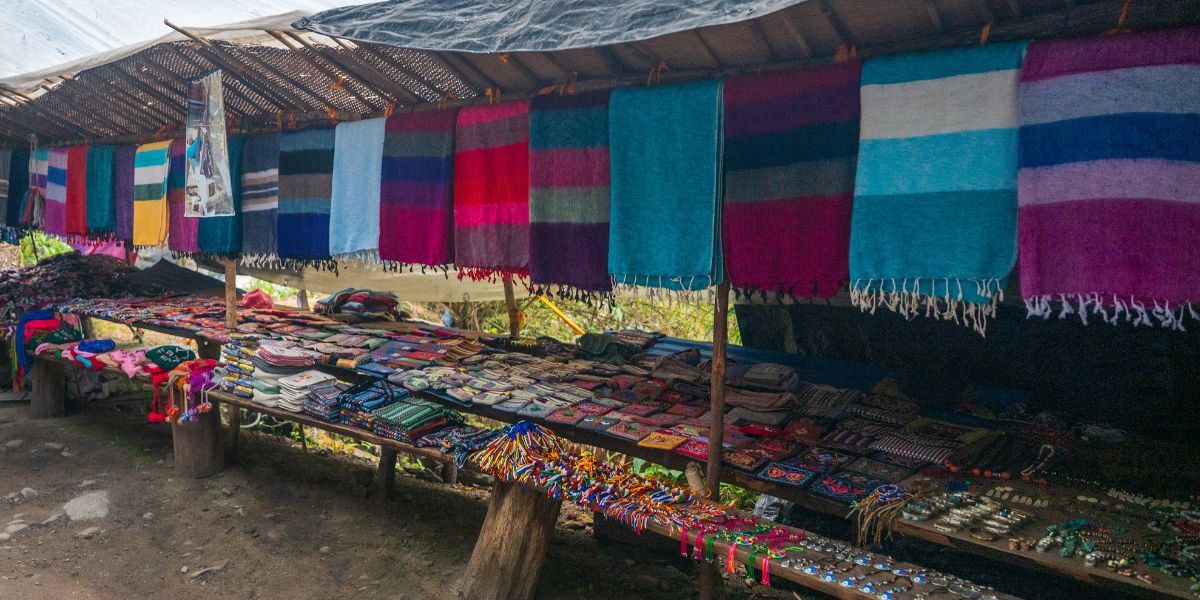
You will also find handcrafted items like bamboo baskets, shawls, woolen belts and gloves, and jeweleries. And in case you want to buy them, ATMs are not readily available in these areas. So carrying extra cash means being able to buy souvenirs along the way.
Lastly, when you tip your drivers, guide, and porter, you will need cash, as your form of online payment might not be compatible with theirs.
When it comes to deciding how much extra cash you should carry, it all depends on the duration of your trek and your spending habits. If you are going on a trek that is a week long, carrying an extra NPR 10,000 should be more than enough. For treks that last between 7 and 16 days, make sure to carry about NPR 20,000.
Since these are huge amounts of cash, divide them into smaller amounts. Keep some in your trekking bag and the rest in your day packs, fanny packs, and pockets of your jackets or pants.
Other Factors
While the factors mentioned above give you a general idea of budgeting your expenses. Here are some other factors that can make your trek more expensive or cheaper. Let’s look into some of these factors:
Group Size and Shared Expenses
Trekking with a group has its own perks because when you travel with a group, a lot of expenses are shared.
The first example has already been provided above under the explanation of transportation. For those who do not wish to take the bus ride and do not want to pay for a private vehicle on their own, joining a group is always better.
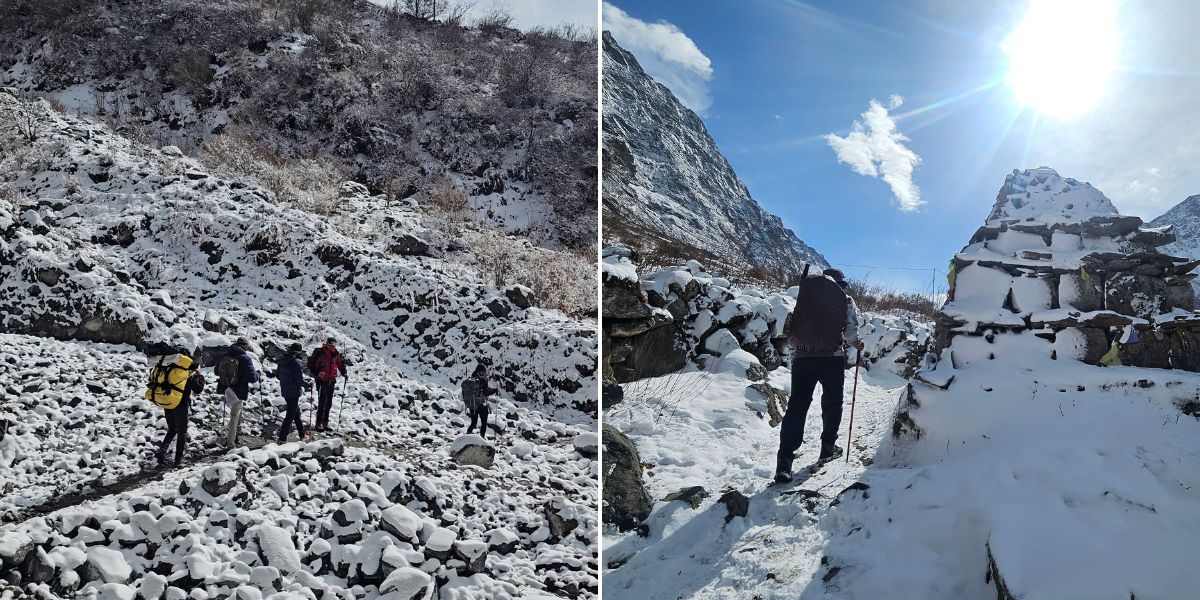
Similarly, most of the teahouses and homestays have twin-sharing rooms or triple-sharing rooms.
Similarly, a porter is often shared between two trekkers. In this scenario, hiring a porter is cheaper even if a team has only two members. Rather than paying $20 on your own, it would be cheaper to have a partner and pay $10 each.
The same divisions can be used for a guide as well. This is because guides and trekkers don’t charge per person. Their rates are set per day. These benefits are not only limited to a group of trekkers travelling independently but also for those trekking through an agency.
Season of Travel
Your overall cost can also vary based on the season you are trekking in. The explanation is simple; trekking in the off-season can be cheaper. If the seasons for trekking are spring and autumn, the off-seasons are summer and winter.
One of the main reasons behind why trekking is cheaper in off-season is because the teahouses set prices of rooms and meals lower than in peak seasons. As trekkers don’t walk in abundantly like in autumn and spring, their prices are set low to compete with other teahouses that are open in the area.
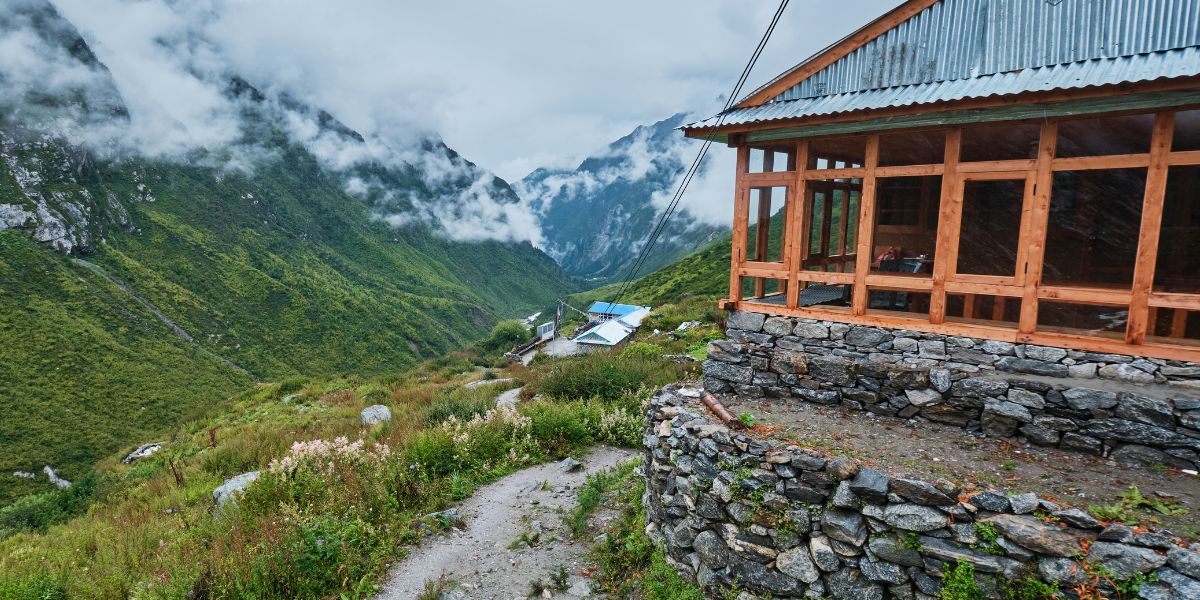
However, for a cheaper trek, you will be trading off a couple of things. Summer and winter are known as off-season because of the weather conditions. If summer is marked with heavy downpours, winter is marked with freezing temperatures.
Similarly, these weather conditions also increase the risks of natural disasters. Furthermore, while open teahouses do provide services for cheaper, most of the teahouses will be closed. This means that you will have to stay wherever you find the teahouse and your options will be limited.
Both summer and winter can lead to blocked trails, so if food supplies don’t reach teahouses on time, you will also have to adjust with whatever is available. And not to mention, prepare for buffer days. Lastly, these seasons might not offer you the best view of the mountains.
Summer days can be cloudy before and after the rain. The views might be clear in the winter, but daylight hours are limited. So you will have to walk at a faster pace to reach the next destination.
Independent Trek vs Guided Package
If you want a quick answer, yes, independent trekking can cost less than guided packages. When you trek independently, you do not have to pay extra fees.
But is it practical? It all depends on your past experiences, difficulty of the trail, and regulations set for the trail. Trails for Langtang Valley and Gosainkunda are perfect for independent trekkers, as they are easy to navigate.
These trails also have better teahouse infrastructure that trekkers can find throughout the trail. And most of the teahouses have package stays for trekkers, making it cheaper if you are trekking individually.
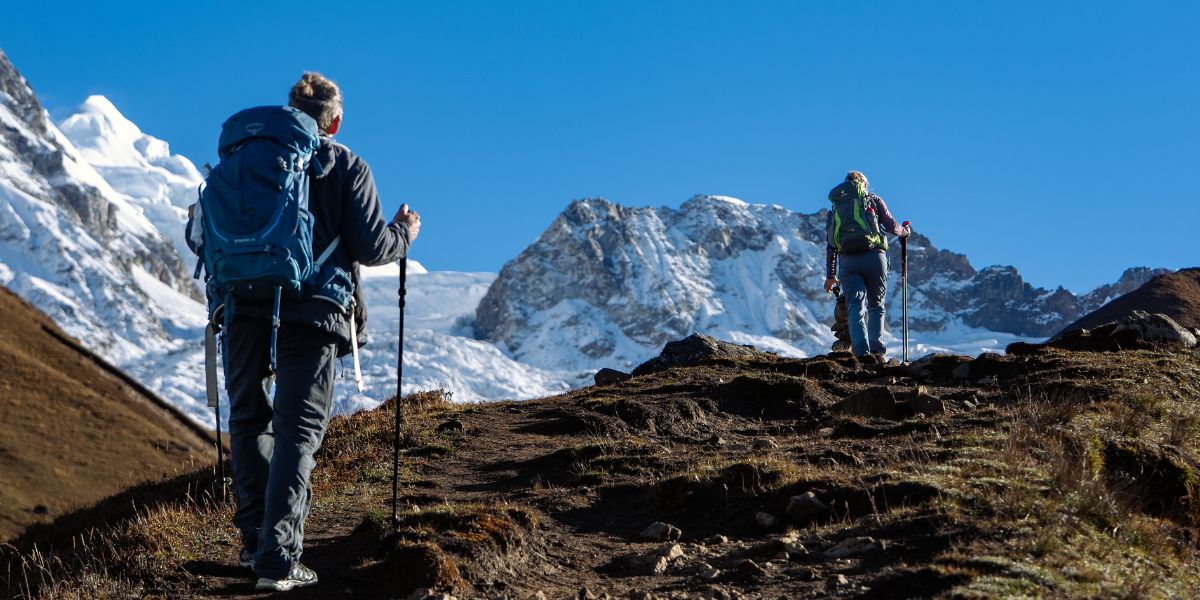
As for guided packages, they are definitely more expensive than just winging it solo, but there’s a reason behind it. When you pay an agency for a trek, they provide you with guides, porters (optional), transportation, pre-booked accommodations, and most of all, their services come with a safety net.
In peak trekking season, teahouses expect a lot of walk-in bookings from independent trekkers. While the hosts try to accommodate all their guests, many trekkers have to adjust to sleeping in the dining areas and makeshift camps in the teahouse’s courtyard.
Apart from guaranteeing your comfort, the agencies are also alert for any accidents that could take place on the trail. They are in constant touch with the guide, and if anything goes south, their evacuation services are sent immediately.
So if you are a beginner, or if you are going through high-altitude passes, or if you are going on a trek longer than a week, then taking a guided package is the best choice for you.
Additionally, for trails like the Tamang Heritage Trail, where you have to cross a restricted area (Thuman), trekking independently is not possible. As per the government rules, restricted areas can only be entered with a licensed guide and an RAP.
So if you are torn between these two choices, think about the factors explained above and make your decision wisely!
How Costs Vary Across Different Regions of Langtang
Now that we have covered numerous factors that can affect the overall expense of your trek, let me give you a closer look into the cost variations for different trails within the national park.
Before we start, you need to know that some remote places might still be cheaper. This is because the standard of food and accommodations is lower than others. On the other hand, places with roadway connections might have higher rates for accommodation because they have lodges instead of teahouses and homestays.
While the previous overview regarding different factors gave you a general idea, the table below is going to be more detailed, tailored to each trail within the national park.
|
Trails
|
Accommodation
|
Permits
|
Meals and Drinks
|
Emergency Cash and Personal Expenses
|
|
Langtang Valley Trek
|
USD 70 - 80
|
NPR 1,800 (Group) - 5,000 (FIT)
|
USD 70 - 100
|
NPR 7,000 - 10,000
|
|
Gosainkunda Lake Trek
|
USD 50 - 80
|
NPR 4,000 (Group) - 5,000 (FIT)
|
USD 60 - 90
|
NPR 6,000 - 9,000
|
|
Langtang Valley - Gosainkunda Lake
|
USD 90 - 120
|
NPR 4,000 (Group) - 5,000 (FIT)
|
USD 100 - 140
|
NPR 9,000 - 11,000
|
|
Tamang Heritage Trail
|
USD 60 - 80
|
NPR 4,000 (Group) + USD 20 (RAP)
|
USD 60 - 100
|
NPR 6,000 - 9,000
|
|
Langtang Valley - Tamang Heritage Trail
|
USD 90 - 150
|
NPR 4,000 (Group) + USD 20 (RAP)
|
USD 130 - 150
|
NPR 8,000 - 10,000
|
|
Tamang Heritage - Langtang - Gosaikunda Trek
|
USD 160 - 250
|
NPR 5,000 (Group) + USD 20 (RAP)
|
USD 180 - 250
|
NPR 15,000 - 20,000
|
|
Helambu Circuit Trek
|
USD 70 - 100
|
NPR 5,000 (Group) - 6000 (FIT)
|
USD 90 - 120
|
NPR 7,000 - 9,000
|
|
Panch Pokhari Trek
|
USD 55 - 90
|
NPR 4,000 (Group) - 5,000 (FIT)
|
USD 60 - 100
|
NPR 7,000 - 9,000
|
Table 3: Estimated costs of different factors for each trail in Langtang. The permit costs vary according to the type of TIMS Card you choose.
You might have noticed that the estimated costs for camping trails like Jugal Himal Base Camp and Yala Peak Climbing have not been included in the table above. This is because these trails do not have proper teahouse infrastructure along the trail.
Given that those trails require a proper camping setup, it is not possible to provide you with an approximate range. The prices can differ from one group to another based on their logistical models, luxury standards, remoteness of the trail, and duration.
However, be prepared to pay a much higher price because these trails require you to create a self-sufficient environment. That being said, we will now examine the budgets for each trail from the table.
Langtang Valley Trek
Popular among both individual trekkers and group trekkers, Langtang Valley Trek has one of the best infrastructures when it comes to teahouses. In fact, the teahouses you will find along the way are some of the best ones in Langtang National Park.
For a trek that lasts for 5 to 7 days, your total expense on accommodation will be anywhere between $70 to $80 (for the full trek). The accommodation costs are likely to be higher in Syabrubesi, Langtang Village, and Kyanjin Gompa, as these places have lodges. This means you will be paying about $10 - $20 per night at these stops.
But when it comes to stops like Bamboo, Ghoda Tabela, Rimche, and Riverside, the accommodation costs will be cheaper. You will be charged about $5 to $10 based on the room (single room or shared room) you book at the teahouse.
As for meals, breakfast can cost you anywhere between $6 to $8. Options for lunch and dinner are always heavier compared to breakfast, so they will cost about $7 to $10. Both of these ranges include food and drinks.
Despite the regular three meals, trekkers often stop along the way to drink beverages like tea, coffee, and sea buckthorn juice. The prices of the non-alcoholic beverages range between $2 to $5. As you go higher, you will notice a rise in the price of beverages as well.
While the price of the entry permit for Langtang National Park remains constant (NPR 3,000 for foreigners), the final price will be different based on whether you trek independently or with a group.
This is because of the cost of a TIMS card for independent trekkers in NPR 2000 and NPR 1000 for those trekking in a group. So if you are trekking alone, you will have to pay NPR 5000, and if you are a part of the group, each member will have to pay NPR 4000.
Carrying an extra amount of NPR 7,000 to 10,000 will suffice for an individual. If your itinerary’s duration is 5 days, NPR 7,000 to 8,000 should be enough. However, if your itinerary is longer, carry about NPR 10,000.
Langtang Village and Kyanjin Gompa have great local bakeries. So even if the money isn’t spent on buffer days, you can always visit those bakeries when you have time.
Gosainkunda Trek
You might find the Gosaikunda Trek to be a little cheaper because the duration of the trek is less compared to the Langtang Valley Trek. While some trekkers still take about 6 to 7 days to complete the trek, most complete it within 5 days.
You can start the trek from Dhunche or Sybrubesi, and both places have plenty of lodges as options for accommodation. And if you start from Syabrubesi, you will also find lodges in Thulo Syafru. The cost of accommodation can range anywhere between $8 and $12 per person per night in these three places.
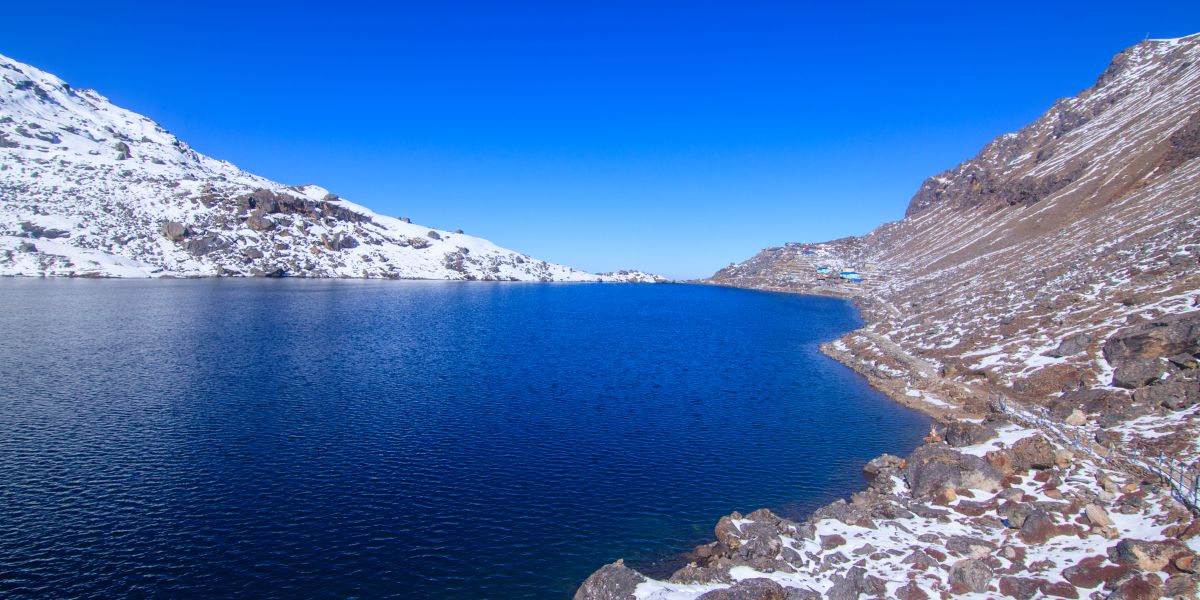
But after Dhunche and Thulo Syafro, your choices of accommodations are limited to mostly teahouses. Chandanbari has quite decent teahouses where rooms cost about $5 to $10 per person per night.
After Chandanbari, the teahouses you find may not be as grand; however, they are good enough for the remote trails and provide guests with basic rooms to stay in. Single rooms can cost anywhere between $4 and $8 per person, while the exact price can vary depending on whether you take a private or shared room, the season, and the lodge.
If you plan on returning the other way via Lauribina Pass, you'll touch the route of the Helambu Circuit. In that case, you will be paying extra for accommodation as the duration increases.
As for the meals, in some places you might find them to be cheaper than Langtang Valley, while others may charge you similar rates. Overall, for a 5-day-long trek, your total expense on meals would be approx. $60 to $80.
The permit rates are the same as Langtang Valley’s: NPR 4,000 for each member of a group and NPR 5,000 for individual trekkers.
However, if you are trekking down Lauribina Pass and ending your trek at Chisapani, then you must obtain the entry permit for Shivapuri National Park as well. This means you will be paying a total of NPR 5,000 as a group member and NPR 6,000 as an individual trekker.
Tamang Heritage Trail
Unlike Langtang Valley Trek and Gosainkunda Trek, Tamang Heritage Trail is not as isolated. Many stops on the trail have roadway connections. This means that you are likely to find a mix of lodges, teahouses, and homestays throughout the trail, except for a few stops.
When it comes to Tamang Heritage Trail, you will find a vast difference in prices in lodges. While some lodges give rooms for $8 to $10, others provide rooms for $20 to $25+. But with a higher price, you receive more amenities. As for teahouses and homestays, you can expect the room’s price within the range of $10 to $15 per person per night.
As for the meals, breakfasts can cost you approximately $4 to $7. Traditional meals like Dal Bhaat can cost about $5 to $10. Carrying about $100 with extra cash should cover the meal expenses.
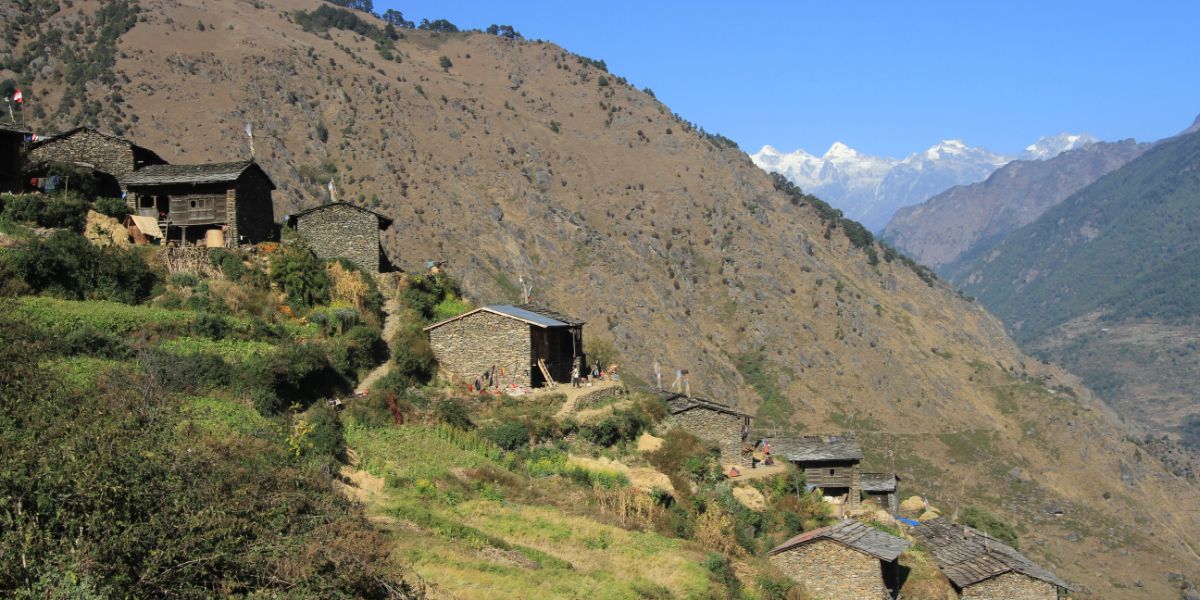
Apart from Langtang National Park entry permit and TIMS Card, you will also need to obtain a Restricted Area Permit (RAP) for $20. This permit is valid for a week.
Given that the trail goes through a restricted area, individual trekkers are not allowed in the region. If you are trekking, you need to be accompanied by a licensed guide. So your total expense on mandatory permits will be NPR 4,000 and an additional $20.
Helambu Circuit
One of the oldest trekking trails of Nepal, most of the stops in the Helambu Circuit are now accessible by road. However, the walking trails have been maintained, and the trail continues to attract trekkers every year.
Given the road infrastructure, you need to know that most of the accommodations that you will find on the trail are lodges. What’s even better is that the rooms are furnished exceptionally well.
This makes it slightly more expensive compared to accommodations in other trails. So for a trek that’s 9 days long, you would need about $90 to $120 for accommodation.
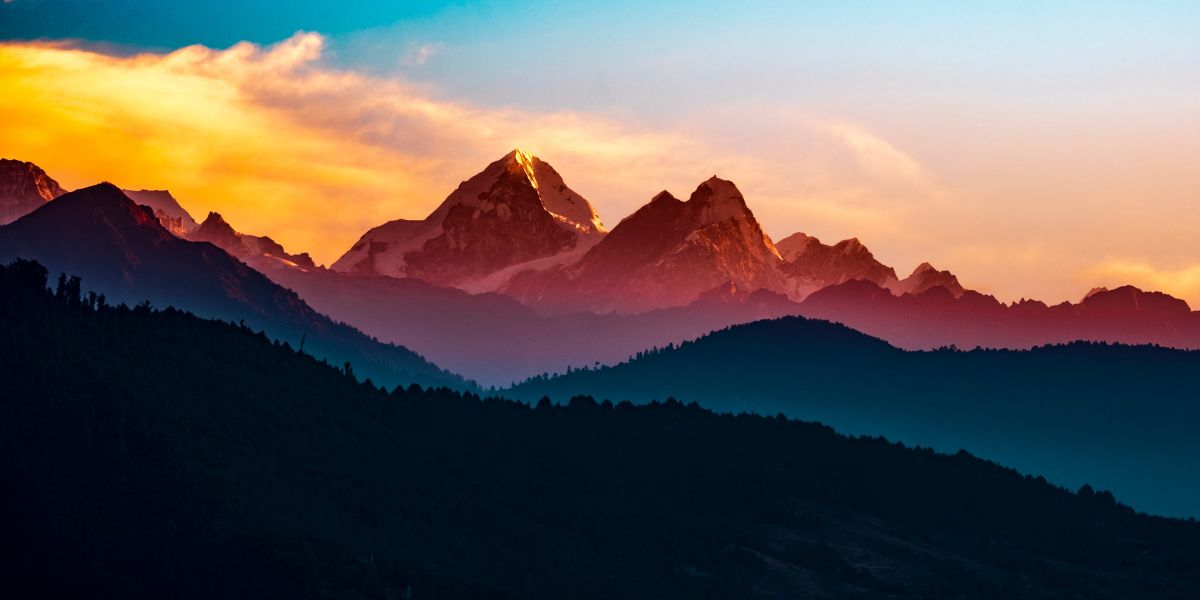
The prices of food vary according to region, but that does not mean that food gets more expensive with altitude. For instance, some places in Ama Yangri Base Camp offer food at the range of $3 to $7.
While in other stops, you might have to pay around $6 for breakfast, and the dinner could cost anywhere between $7 and $10. So at max, you can carry $90 to $110 as your budget for meals.
As for the permits, you will need to obtain the entry permits for 2 different national parks: Langtang National Park and Shivapuri National Park. That would cost NPR 4000 in total. Adding the cost of TIMS Card, individual trekkers will have to pay NPR 6000 in total, and group members would have to pay NPR 5000 each.
Since Helambu has better road infrastructure, in case of emergencies, you have flexible exit points. This means that you don’t have to carry a lot of cash for emergencies.
Carrying about NPR 7000 to 9000 should be sufficient. Just make sure that you prepare an adequate budget for meals and accommodations.
Panch Pokhari Trek
Panch Pokhari is one of the most remote trails in Langtang with limited teahouse infrastructure. This also means that the amenities in the teahouses are substandard.
Given the situation, the accommodations are quite cheaper compared to other trails. As you start your trek from Chhimti, you can find decent accommodation there, ranging from about $5 to $8 per person per night.
But after Chhimti, most of the teahouses provide you with just enough to spend the night. However, the prices remain the same.
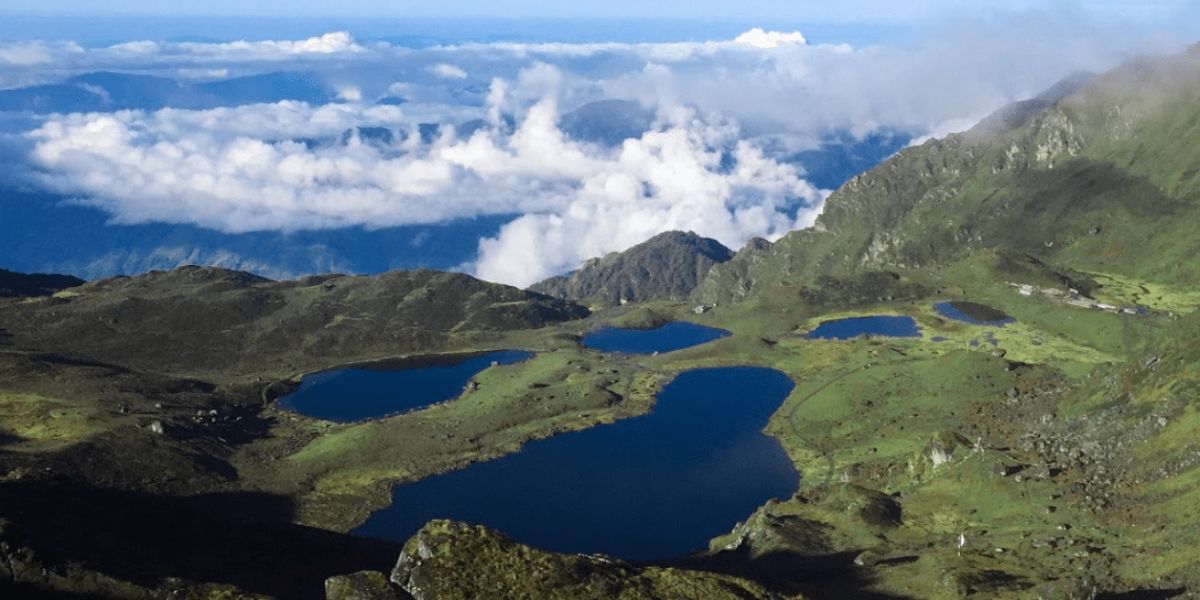
You can also find packages in some teahouses where they offer you accommodation and food for approximately $13 per person. Food, in remote places, still costs you more.
For breakfast, expect to spend anywhere between $2 and $5. As for lunch as dinner, you might have to set a budget up to $7.
While some trekkers complete the trek within 5 days, others complete the trek in 8 days. For this trek, you do not have to carry a large sum of extra cash. Carrying about NPR 7000 to 9000 in extra cash will be enough throughout the trail.
Combined Trek Expenses
Combined trek means a combination of 2 or more trails that are to be covered as a single trek. This means that the trek duration will be quite long, easily lasting longer than a week.
A longer duration also means a higher budget. Now that you already know the budget for the individual trails of Langtang, let’s see how high the budget can go in combined treks.
Langtang Valley - Gosainkunda Trek
This trek typically lasts for 9 days. Once trekkers reach Kyanjin Gompa, they come down to Lama Hotel and make their way towards Thulo Syabru.
Taking this duration into consideration, you need to expand your budget for accommodation, meals, and personal and emergency expenses.
This trail consists of a mix of lodges and teahouses. So your overall expenditure on accommodation can range anywhere between $90 and $120.
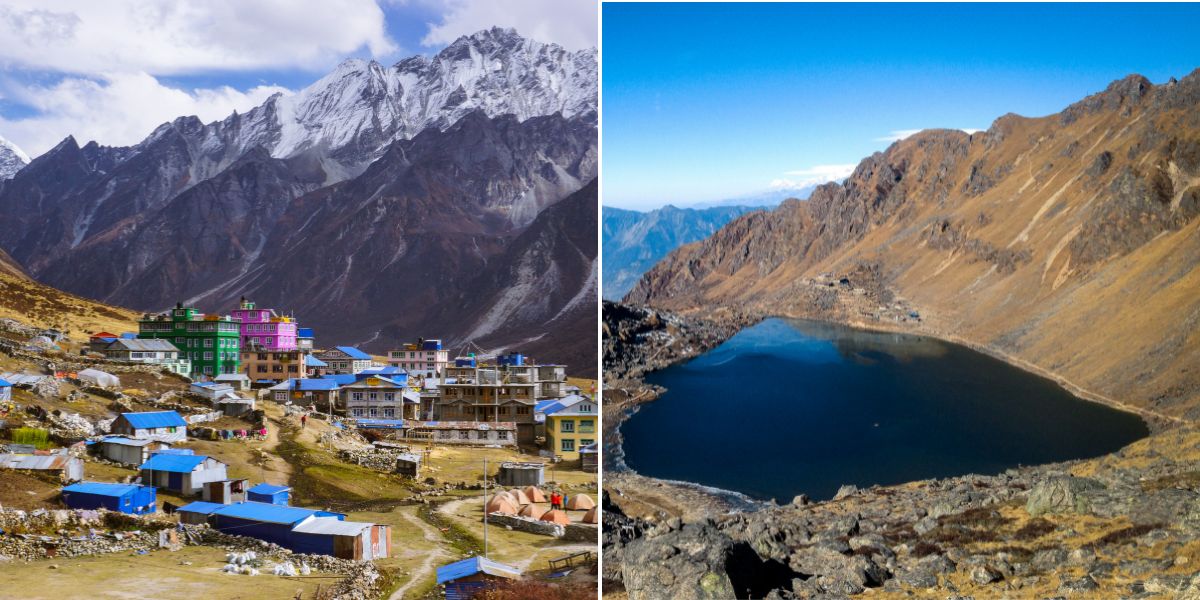
When it comes to meals, you will be spending about $5 to $8 on breakfasts. Lunch and dinner will be priced around $6 to $12. So a budget of $100 to $140 should be fine for your meals throughout the trip.
Permit costs remain the same as Langtang Valley’s cost. NPR. 5,000 for independent trekkers, and NPR. 4,000 for those trekking in a group.
Lastly, since the trail goes through the most isolated regions of Langtang National Park, you will need to carry more cash for emergencies and personal expenses. So carry about NPR 9,000 - 11,000 for the entire trek. In case you are trekking alone and get tired on the way, the cash will come handy to hire porters along the way.
Langtang Valley - Tamang Heritage Trail
There is no doubt that this is one of the most culturally rich trails of Langtang. Taking you through the age-old settlements of the Langtang people, the trek can be completed within 11 days.
Once again, Lama Hotel is going to be the connecting point between these two trails. However, in this trail, you will mostly be staying at teahouses and homestays.
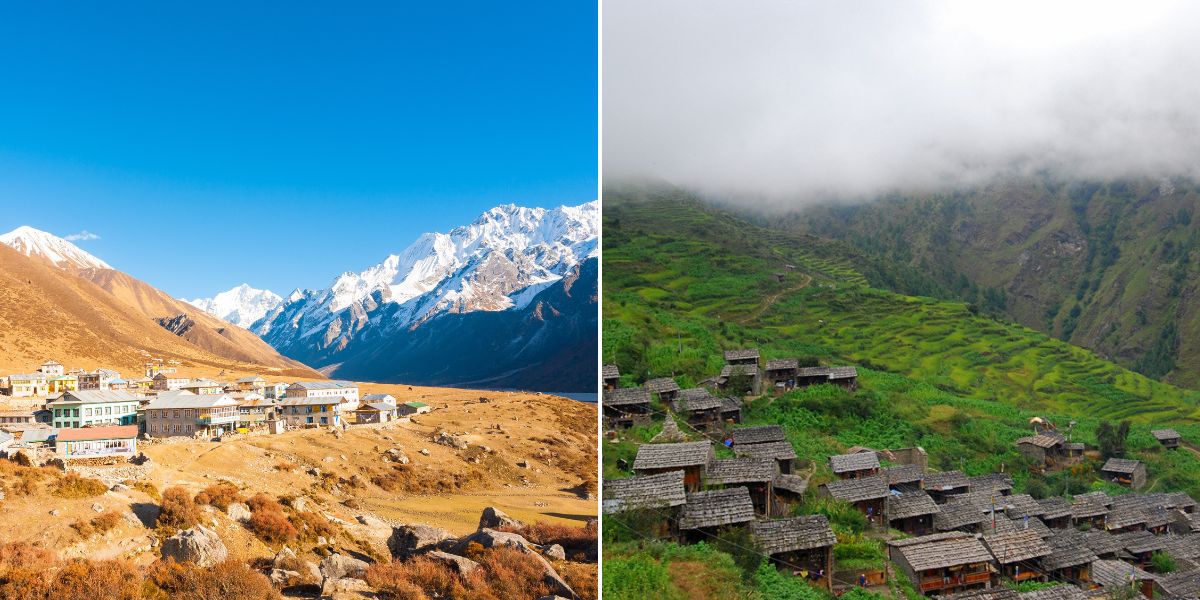
For 11 nights, you will need a budget of $120 to $150, as teahouses in Tamang Heritage Trail are costlier than the ones in Gosainkunda.
Similarly, meals are priced at a similar range throughout the trail. Breakfast is priced at a range of $4 to $8, and lunch and dinner can cost anywhere between $7 to $12 each.
In total, you need a budget of $130 - $150 for meals for the entire trek.
Since Tamang Heritage Trail has a stop located within a restricted area, independent trekkers are not allowed on the trail. You must travel with a licensed guide.
So the permit cost is the same as that of Tamang Heritage Trail, NPR 4000 with $20 for RAP per each member of the group.
Tamang Heritage - Langtang Valley - Gosainkunda Trek
This is one of the longest combined trekking trails that you can do in the Langtang region. A combination of 3 iconic trails from Langtang, the completion can take you 15 to 19 days.
Accommodations can cost anywhere from $6 to $20 per person per night. So a budget of $160 to $250 for 15 to 19 days is quite fair, even for budget trekkers. As for meals, keep a budget of $180 - $250.
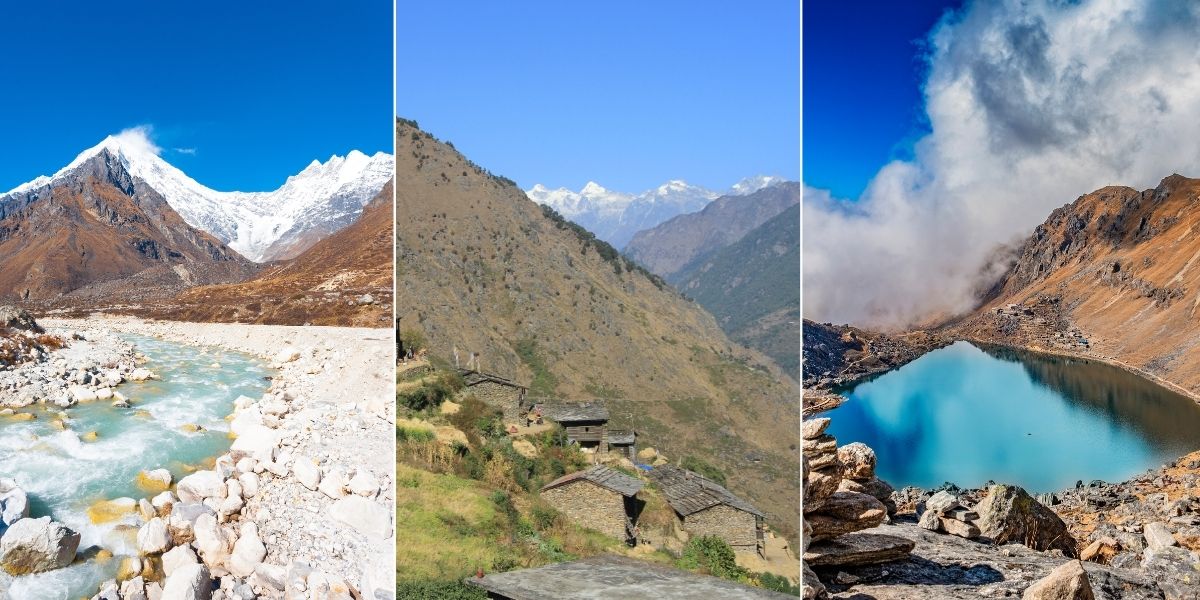
When it comes to permits, you will most likely be ending the trek at Chisapani. In that case, the total cost will be NPR 5,000 and an additional $20 for RAP.
From NPR 5000, you will be paying NPR 3000 for Langtang National Park’s entry permit, NPR 1000 for Shivapuri National Park’s entry permit, and NPR 1000 for TIMS Card.
In case your itinerary ends at Syabrubesi, then the overall cost for permits will be NPR 4000, as you won’t have to enter Shivapuri National Park. Note that independent trekkers are forbidden for this trek.
As it is one of the longest combined treks, you must carry about NPR 15,000 - 20,000 for personal expenses and emergencies.
Payment Methods in Langtang Region
While you can find advanced payment infrastructures in Kathmandu and other major towns and cities of Nepal, you will observe that things are completely different as you start approaching the mountainous regions.
When it comes to payment, everything is strictly cash-based in the Langtang Region. Credit cards and debit cards are as close to being useless up there. Teahouses and lodges rarely accept them, and they only come handy in ATM machines that are rare to find.
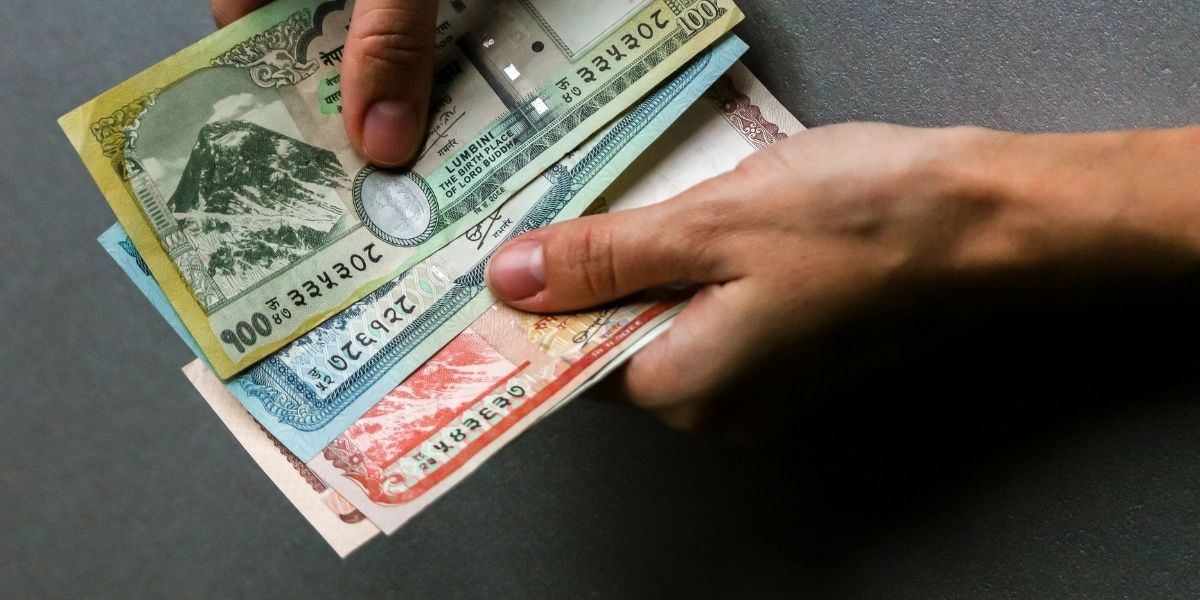
Some places do accept online payments through digital wallets, but their accessibility is limited to Nepalese citizens. However, network connectivity often gets disrupted in remote areas, and WiFi connection is slow. So the payment gets processed really slowly or does not get processed at all.
So you are left with one alternative: hard cash. Furthermore, the only acceptable currency is Nepalese Rupees (NPR). The exchange rates of foreign currencies (USD, GBP, and Euro) keep changing on a daily basis, and tracking it is not feasible given the slow internet.
Currency exchange services are also rare. You might be able to find some teahouses in Helambu that offer such services, but they impose a certain amount as a service charge, and that might not be profitable for you.
Circling back to the solution, you need to carry hard cash in NPR for your trek in Langtang National Park. Even when it comes to payment for a national park entry permit in Dhunche or Syabrubesi, you will need to pay for it using NPR.
Where to Exchange Your Currency to NPR?
When it comes to currency exchange, your best option is to exchange it for NPR while you are in Kathmandu. If you want the best exchange rates, then your best option is to visit banks in Kathmandu, and that comes with paperwork.

You will need to provide your identification and fill out certain forms. However, in return, you will receive an encashment receipt, which you can later use to convert the NPR you have to the currency of your choice.
However, you can also find many money exchange services in Kathmandu’s tourist hubs that give you a competitive exchange rate. You can also get it exchanged there with faster service.
Money Saving Tips For Langtang Trek
While trekking in Nepal is one of the most budget-friendly travel experiences in the world, finding ways to save more can never harm you. When you are trekking in Langtang, here are some tips that you can follow to save up:

- While the entry permits remain the same for National Parks no matter where you obtain them, if your itinerary includes Gaurishankar Conservation Area, then get the permit in Kathmandu or purchase it online. Why? Because the permit price for conservation areas doubles when you get it directly at the entry point.
- If you don’t want to buy all the gears for the trek, then you can rent them in Kathmandu. You can take a 10-minute stroll in Thamel, and you will find countless options to rent out the gears. Make sure to rent them in Kathmandu instead at the trailhead, as it is cheaper.
- If you are hiring a guide and a porter, always go through a travel agency. You can get better services and licensed personnel for a fixed price. Finding guides and porters on your own will only lead you to a huge cycle of discussion and negotiation.
- If you’re in for a raw experience and travelling by yourself, take the bus or a shared jeep. But given the prices of transportation modes in the last section, taking a bus is definitely more economical.
- Instead of booking a room directly at the teahouse, ask the hosts for packages. Your meal choices will be limited, but it will definitely be cheaper than going for an à la carte stay.
- Try sticking to Dal Bhaat for your meals if possible. They are cheaper than meals like pasta and pizza, and they are healthier and come with unlimited refills.
- Avoid drinking packaged drinks. They are sold at a price twice or thrice higher than their actual price in the trials. Instead, you can drink local drinks like tea and butter tea.
- Buy snacks in Kathmandu. They are much cheaper, and you have more options in the city.
- Add a water bottle to your packing list. If you are worried about the water quality, you can carry a bottle with a built-in purifier or water purification tablets. Bottled mineral water is more expensive on the trails. Additionally, carrying your own water bottle also means reducing waste. People often discard water bottles in the forest and pollute the environment.
- Don’t forget to carry power banks and extra batteries. You might not even be able to buy batteries in remote areas. And charging gets more expensive as you go higher, or even worse, you might not even find a stable power supply.
Final Thoughts
As you can see, Langtang National Park can be one of the most budget-friendly trekking destinations if you are planning a trek in Nepal. However, some destinations do not allow you to trek independently due to the government’s mandates.
However, independent or not, the majority of the trails do not require you to spend more than NPR 4000 a day for meals and accommodation. From gears to transportation, you have options that help you save up; you just need to know the right place.
But at the end of the day, when you head back to Kathmandu after you finish your trek, you won’t be looking at your bills. You will be reminiscing about the memories, the spirituality of Gosainkunda, the serene trails of Helambu, or the fluttering prayer flags of Kyanjin Gompa.


 Suraksha Subba