Just as the day before the incident, on the morning of August 26, 2026, everything was normal. Children were walking to school, farmers were in fields, and officers were on their way to work. But who would have thought that the clear and peaceful morning would soon be full of cries and screams?
An ice-rock avalanche, without any warning, triggered a chain of events whose final form was a flash flood. This was no ordinary flood; it was a Himalayan Tsunami that swept away everything that came in its way!
Nature made us realize how scary it can be and how weak we are when faced with a natural calamity like this. Since the day of the incident, the number of deaths, missings, and injuries has kept rising.
This article has information on what’s confirmed so far: the timeline, the reason behind the catastrophe, damage to life and infrastructure, and what this means for trekking in the Langtang region and other parts of the Himalayas.
Timeline: Day-to-Day Report
|
Date
|
Key Developments & Response
|
No. of Deaths confirmed
|
No. of Missing
|
|
14-Sep-2026
|
The government mobilized 8 specialized thematic task forces to bypass bureaucratic duplication and restore road networks, suspension bridges, and foot-ropes.
|
1,390
|
5130
|
|
13-Sep-2026
|
According to a joint assessment by the National Planning Commission and the National Disaster Risk Reduction and Management Authority, the flood displaced 32,963 people from 8,317 families.
|
1,388
|
5,310
|
|
12-Sep-2026
|
Rescuers have found an air pocket in a hydropower tunnel where 6 Nepali workers are believed to be trapped.
|
1,386
|
5,130
|
|
11-Sep-2026
|
The government has estimated NPR 2.343 billion will be required to recover from the losses this flood has caused.
|
1,385
|
5,130
|
|
10-Sep-2026
|
Prime Minister Balendra Shah called a cabinet meeting to boost ongoing search, rescue, relief, and rehabilitation efforts.
|
1,377
|
5,130
|
|
09-Sep-2026
|
Stranded communities have been delivered with some aid using drones since helicopters are busy in search and rescue operations.
|
1,367
|
5,132
|
|
08-Sep-2026
|
Foreign Minister Shisir Khanal requests the world’s most polluting countries to wake up. Nepal’s contribution to climate change is less than 0.1%, yet we had to face such a disaster.
|
1,357
|
5,326
|
|
07-Sep-2026
|
Flags were lowered halfway down the pole, and a nationwide mourning for the victims of the flood was observed.
|
1,355
|
4,996
|
|
06-Sep-2026
|
A Chinese man, Lu Haitao, was rescued from a hydropower tunnel. Lu says he had lost all hope of surviving.
|
1,353
|
4,900+
|
|
05-Sep-2026
|
A 64-year-old woman, Chandika Shrestha, was rescued from a four-story building in Nuwakot. She survived the flood and will undergo a leg operation.
|
1,344
|
4,898
|
|
04-Sep-2026
|
Two Nepali workers, Sanjay Sah and Kabir Maharjan, were pulled out alive from the Trishuli-3A hydropower tunnel after being trapped for 9 days.
|
1,294
|
4,798
|
|
03-Sep-2026
|
Nepal Tourism Board launched a global #NepalCalling campaign to support the travel industry that has been affected by the flood.
|
1,252
|
4,216
|
|
02-Sep-2026
|
Researchers are relying on satellites to stay updated on the changes in the region. Satellites suggest 25 million cubic metres of snow and ice falling 2000 m down to be the first incident leading towards the flood.
|
1,127
|
4,858
|
|
01-Sep-2026
|
Balendra Shah, Nepal’s Prime Minister, confirms that climate change is responsible for the flood since the temperature in the Himalayan region has increased by 1.8 degrees.
|
1,066
|
4,606
|
|
31-Aug-2026
|
Many unidentified human bodies have been temporarily buried after taking DNA samples.
|
939
|
3,925
|
|
30-Aug-2026
|
Teams carrying oxygen supplies and cameras are ready to enter once access to the hydropower tunnels is opened up.
|
788
|
2,502
|
|
29-Aug-2026
|
According to the Finance Minister Swarnim Wagle, Nepal will need approximately USD 4.5 billion to rebuild from the disaster.
|
669
|
2,426
|
|
28-Aug-2026
|
Video shared by news channels showcased military heroes crawling across thick mud inside dark hydropower channels to save trapped people.
|
579
|
1,924
|
|
27-Aug-2026
|
The Rasuwa District Administration Office, along with the National Disaster Risk Reduction and Management Authority, started publishing the list of rescued people.
|
258
|
900+
|
|
26-Aug-2026
|
Nepal was hit by a devastating flash flood, resulting in loss of life and extensive damage to important infrastructure.
|
165
|
826
|
What Happened in Rasuwa on August 26, 2026?
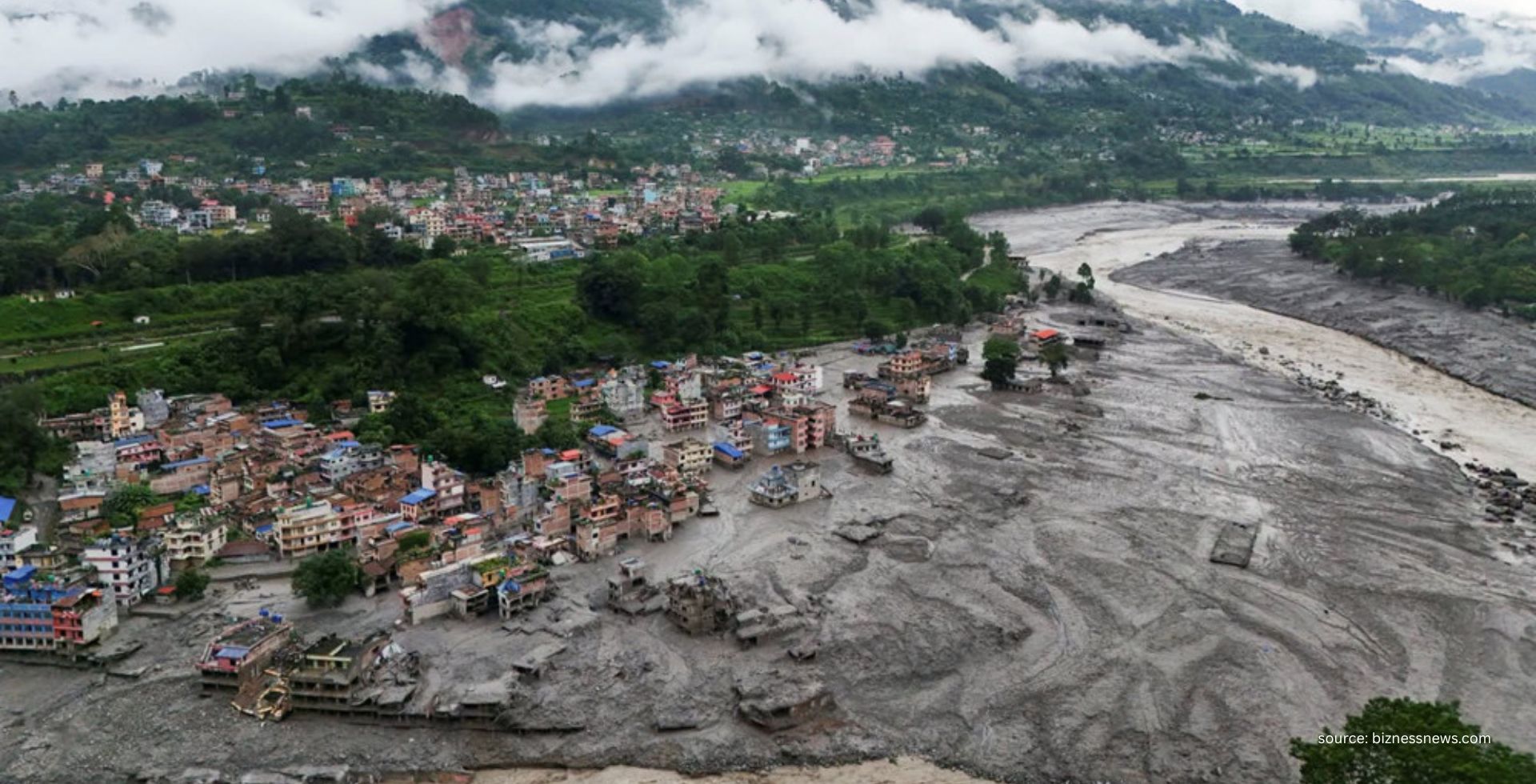
Nepal became the target of a big flash flood at around 08:37 AM (Nepal time). The Lhende River started surging through Rasuwagadhi, Timure, Syaphru Bensi, Betrawati, and dozens of other settlements traumatizing everyone near the Trishuli and Narayani rivers.
After obliterating the Gyirong Port on the Chinese side, the surge swept away the Rasuwagadhi border and increased the water levels of Bhotekoshi, Trishuli, and Narayani. Within roughly half an hour, the Galchi Gorge on the Trishuli River had risen by as much as nine meters!
The avalanche, when slamming into the river, generated a tremendous energy equivalent to a 5.2 magnitude earthquake. Some early reports even mistook this seismic activity for an earthquake that triggered the flood, but that was not the case.
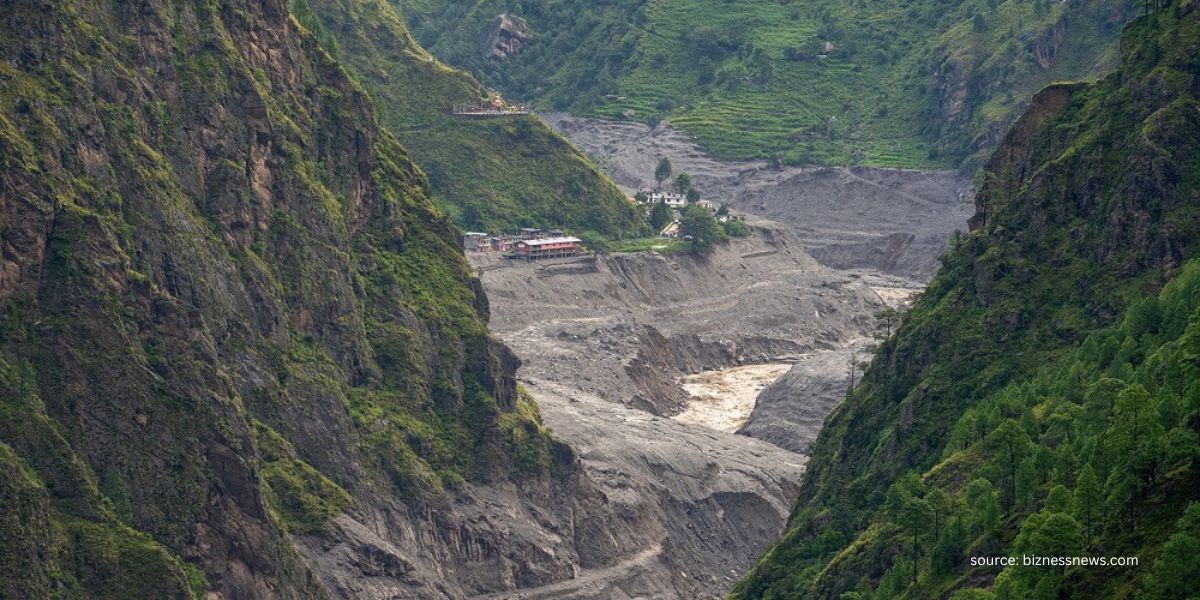
Within hours, the flood was taking humans, animals, buildings, bridges, and other infrastructure from one region and dumping them in another. The flood was so merciless that it carried debris and human remains across the Indian border, more than 150 miles (approx. 250 km) from the source.
What Actually Triggered the Flash Flood?
Even the glaciologists and hydrologists have not been sure what actually triggered the flood.
There was no heavy rainfall for a landslide, then seismic activity was recorded, and then a movement of the ice wall was captured. Everyone has been confused, and it might take some time to find the actual reason!
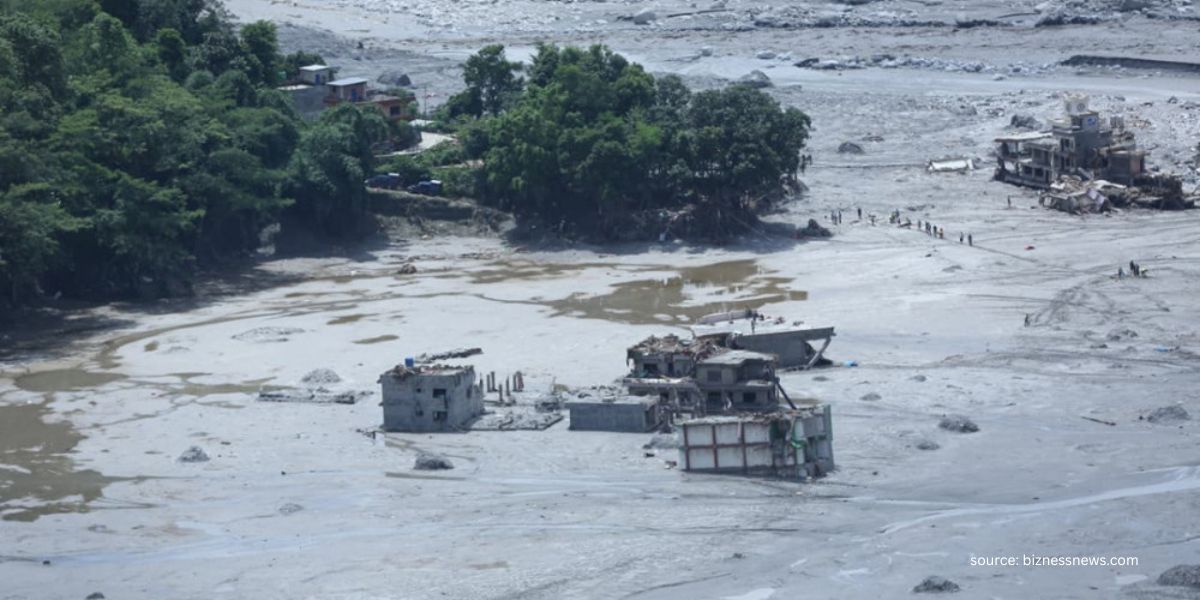
Let’s analyze the information we have received to date.
Glacial Lake Outburst Flood (GLOF) in Rasuwa
Just a year back, Rasuwa was flooded by a GLOF and had just recovered. This raised initial suspicion of another glacial lake outburst since both incidents were identical in many terms, such as the flood originating from the Lhende River in China.
Nepal’s Department of Hydrology and Meteorology (DHM) reported the 2025 flood as a GLOF that was caused by a supraglacial lake (Purugu Glacier) in China. The lake was about 36 km away to the north of the border but was close enough to wreak havoc in Rasuwa.
On 26 August, 2026, no rainfall was recorded that could cause such a big flood, and since there are many dangerous glacial lakes in the surrounding area, another GLOF was highly suspected.
Ice Avalanche That Dammed the River
Initial reports suggested that an earthquake of around magnitude 5.2 was deemed responsible for an avalanche from Langtang Lirung (7,234 m), one of the mountains of the Langtang Himal range. The avalanche then blocked the Lhende River and created a natural dam.
As the water level of the Lhende River kept on rising, the temporary debris dam was no longer enough to hold it. The river, along with debris, charged straight into the Gyirong Port and flooded Nepal.
The blockage was 20 km (12 miles) northeast of the Nepal-China border, and when the river came down from that distance, nothing was capable of stopping it.
But recent reports and satellite images suggest it was not a simple glacial collapse that caused the incident, but a large section (possibly a bedrock failure) of the northern face of Langtang Lirung (7,234 m) had collapsed.
The bedrock went down at least 1,000 m onto the flatter glacier below, and this was what actually triggered a tremor of 5.2 magnitude. Scientists have estimated around 200 million cubic meters of debris to have come down.
The Bigger Reason Behind the Flash Flood: Climate Change!
Most of the reports right now are based on information from satellites, and a formal investigation of the site is needed before concluding the actual facts.
Even the earthquake, claimed to have caused an avalanche, was actually a tremor caused by the very avalanche.
So, what was the actual reason? The most reasonable answer would be climate change rather than a GLOF or an earthquake. The destruction was caused by rising temperatures, thawing permafrost, and melting ice. And officials have always been warning us about the increasing risk of destructive floods in the Himalayas.
Info: Thawing permafrost refers to the warming and melting of the ground that has stayed frozen at or below 0°C (32°F) for two or more consecutive years.
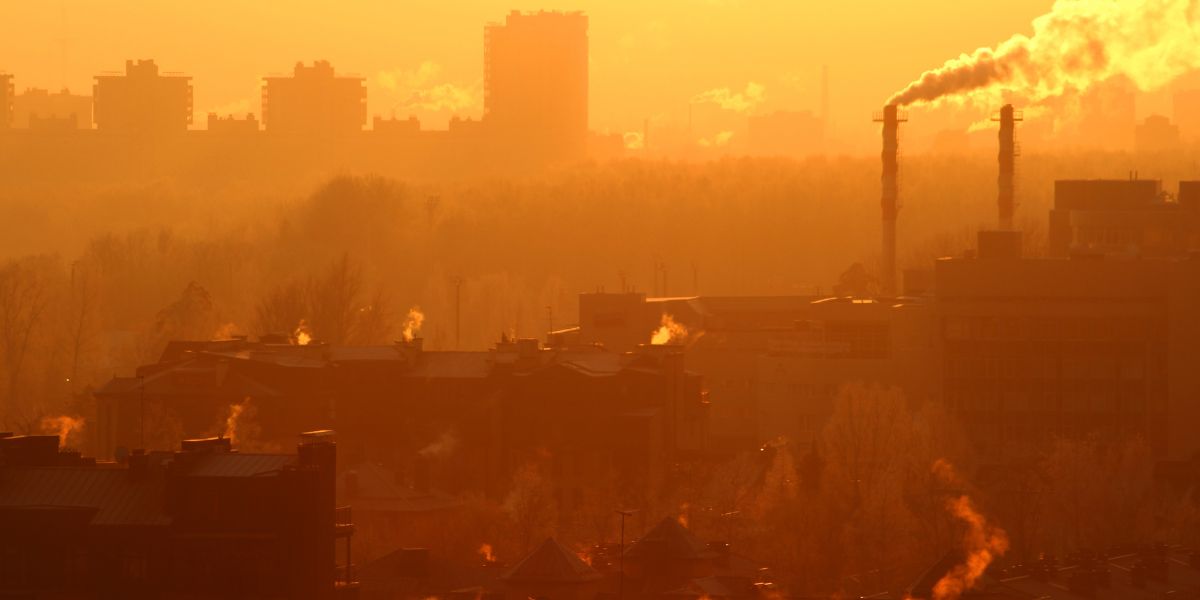
Following the tragedy, the Director of Climate Analytics South Asia suggested increasing research regarding conditions in the Himalayas. Climate change brings hundreds of ice avalanches every year, but something this big is a warning for upcoming catastrophes.
Did you know the Bhotekoshi-Lhende river system had faced a similar but comparatively small-scale flood a year before?
In July of 2025, a GLOF from a supraglacial lake (Purugu Glacier) in Tibet killed at least 9 people and took away 19 to who knows where. It even swept the Miteri Bridge and caused damage in the Rasuwagadhi Hydropower Project.
The sheer scale and mechanism of the August 26 flood set it apart from the previous ones. It doesn’t look like it was caused by rainfall, an earthquake, or a GLOF.
There are more than 55,000 glaciers in the Himalayas, Karakoram, and Hindu Kush mountain ranges that contain ice and snow far more than any other regions outside the poles. This is why they are often called the third pole. And when these start melting faster with rising temperatures, the risk just keeps on increasing!
To worsen it, large areas of the Himalayas are permafrost, meaning the ground is not of soil or rock; some are frozen moisture, which stays frozen as long as the temperature is low.
The Human Toll of The Flood
This catastrophe is being considered the worst Nepal has suffered since the 2015 Gorkha Earthquake. The number of victims has been climbing up and up.
Note: To get information on the latest human toll, check out the timeline section above in this article!
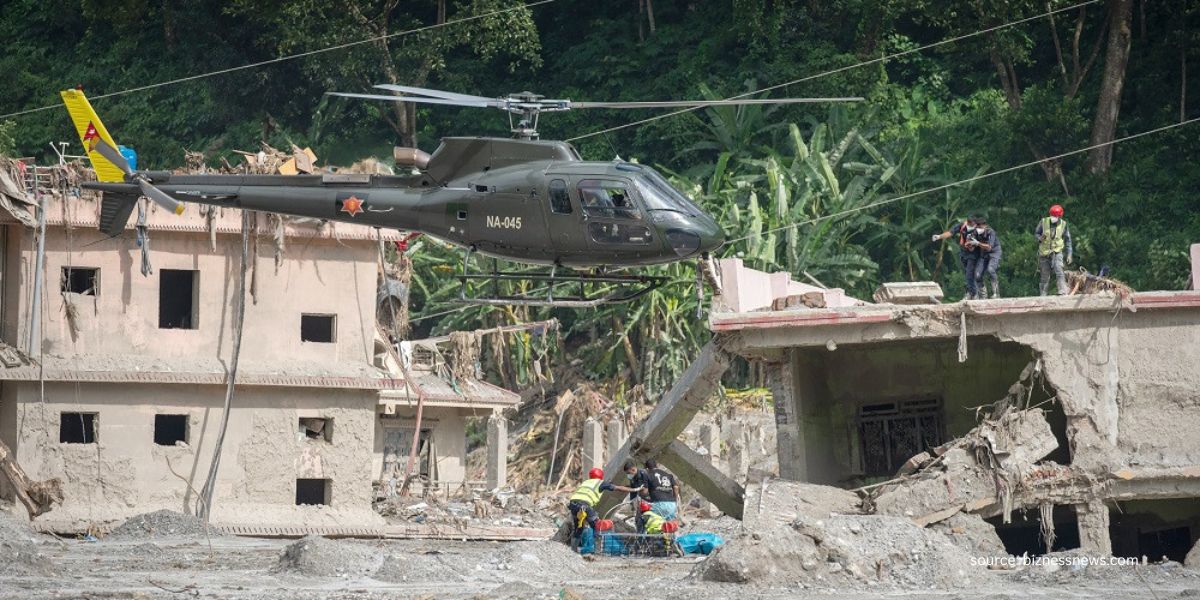
Search parties composed of the Nepal Army, the Nepal Police, and the Armed Police Force are putting all their efforts into rescue operations. To support the rescue operations, Indian and Chinese rescue teams have joined Nepali rescuers at hydropower projects, including Trishuli 3A, Haku Besi, Trishuli 3B, and Chilime.
The most disturbing part is that the bodies from one region have been found in another region; this shows the sheer scale of this calamity.
Many bodies are in a dire state, and many are yet to be identified; they are kept in different hospitals across various districts. Details regarding unidentified bodies are being made public on the Nepal Police disaster portal.
The entire situation is so heavy on our hearts, and to top it off, a high number of the missing victims are those who were contributing to the economy of the affected regions. Hydropower workers, customs and immigration officers at the border, security personnel, trekkers, and pilgrims all became victims of this disaster!
So far, 15 municipalities have been declared as flood emergencies and 2 as impacted! More than 1.5 million people have been affected by this flood.
Rescue and Relief Efforts
Nepal Government has mobilized the Nepal Army, the Nepal Police, the Armed Police Force, medical teams, and disaster management experts, along with necessary equipment and resources like rescue gear, communication tools, excavators, trucks, jeeps, helicopters, etc.
The UN Resident Coordinator, Lila Pieters, has formally launched a Flash Appeal to seek USD 49.6 million in order to assist 84,270 affected people. The appeal targets humanitarian action to remain adequately funded, such as access, logistics, coordination, protection, PSEA (Protection from Sexual Exploitation and Abuse), and accountability.
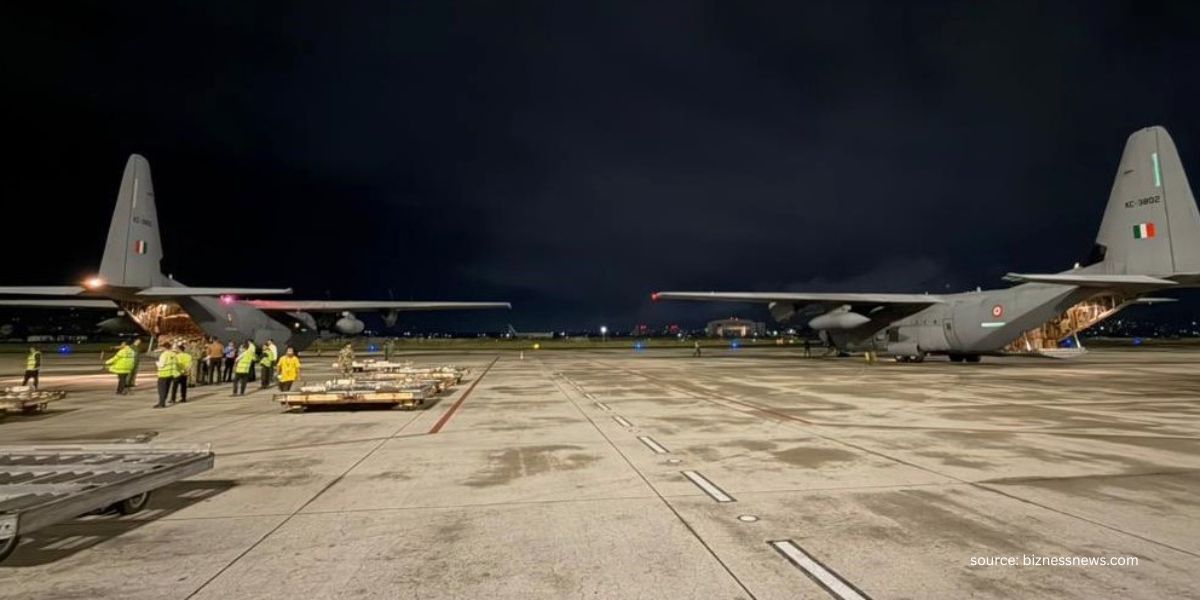
Whereas, in Nepal, to support the rescue and relief operation, NPR 10 million to Rasuwa and Nuwakot and NPR 0.5 million to Dhading had been initially allocated. An additional NPR 135 million was then allocated to 15 affected local levels in two phases; NPR 65 million on August 26 and the remaining NPR 65 million on September 1.
If not for immediate rescue and relief operations, the number of deaths and missing would be much higher!
To speed up the process, the government has created 15 task teams:
- Emergency Communication Restoration Team
- Electricity Restoration and Backup Power Team
- Search, Rescue, and Evacuation Team
- Emergency Health and Medical Response Team
- Dead Body Management Team
- International Assistance and Donor Coordination Team
- Transport and Road Connectivity Team
- Rapid Damage and Needs Assessment Team
- Missing Persons and Family Assistance Team
- Relief (Food, Water, and Essential Supplies)
- Airport Coordination Team
- A team to make public the names of the rescued, disappeared, and the dead
- Camp Management Team
- Social Media Regulation/Management
India, China, Japan, the United States, the United Arab Emirates, the Republic of Korea, and other countries and partners have provided rescue support. Nepal received items such as bridge units, freezers, generator sets, solar lamps, DNA testing kits, bridge units, and emergency relief equipment, as well as tents, blankets, sleeping bags, food packets, medicines, etc.
To further speed up and meet the demand, non-food items and services like freezers, DNA testing Kits, and LiDAR, and relief-specific items like Disaster Victim Identification (DVI) service, belly bridges, and high-capacity drones are requested from the USA, Singapore, China, Japan, and the Republic of Korea.
Other notable relief activities:
- The World Food Programme (WFP) has dispatched more than 100 metric tons of food to the affected regions.
- Therapeutic food for malnourished children has been supplied by the United Nations International Children's Emergency Fund (UNICEF), and emergency medical teams have been mobilized.
- To strengthen planning and information sharing, the UN’s humanitarian partners have installed a 24/7 coordination hub in Nuwakot.
The Damage: Roads, Bridges and Other Infrastructures
The flood was not satisfied with just human lives; it swept away our economically significant infrastructure too. Reportedly, 41 bridges across several districts were washed away, and 4 bridges suffered partial damage.
Here are the exact details:
|
District
|
Bridges (Destroyed & Damaged)
|
|
Rasuwa
|
- Miteri Bridge (Rasuwagadhi)
- Timure Bridge 1 and 2
- Bhotekoshi Bridge (Chilime)
- Chilime Khola Bridge
- Bhotekoshi and Syaprubesi area Bailey Bridges
- Syaprubesi Bridge
- 5 various bridges in Trishuli and Mailung areas
|
|
Nuwakot
|
- Betrawati (Old and New) Bridge
- Trishuli River Bridge (Tupche)
- Two bridges in Trishuli Bazaar (Old and New)
- Simchaur Bridge
- Bridge near Jalashrot tatha Sinchai Division at Devighat
- Middle Hill Highway Bridge at Devighat
- Tandi Khola Bridge (two)
- Trishuli River Bridges (Shrikali, Budhasinghghat, Ratmate, and Fosretar)
|
|
Dhading
|
- Saltar Road Bridge
- Ghatbesi Bridge
- Furke Khola Bridge (Malekhu)
- Two bridges of Kolpu Khola
- Master Bridge
- Jarebagaincha Bridge
- The new bridge of Kolpu Khola
|
While recovering from last year’s flood, a 16-kilometer section of road was being upgraded from Syaphru Bensi towards the Rasuwa border, but it didn’t matter in the recent flood.
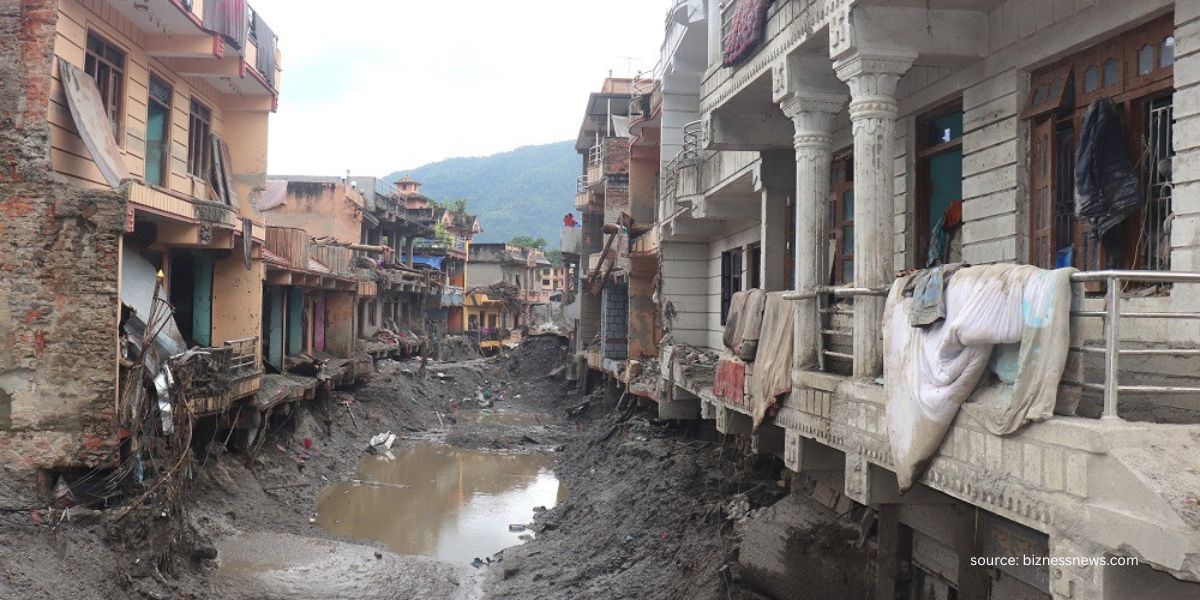
The 42-kilometer road linking Betrawati in Nuwakot with the Rasuwagadhi border in Rasuwa via Mailung was washed away.
Because of the recent flood, the Prithvi Highway was also blocked at two locations: Krishna Bhir in Benighat Rorang Rural Municipality 7 and Parewa Bhir in Gajuri Rural Municipality 2 of Dhading district.
To add salt in the wound, 14 hydropower and solar projects with a combined capacity of about 748 megawatts also became the target of this disaster. At least 6 major hydropower and transmission establishments have suffered heavy damage.
Note: Trishuli 220kV 3B Hub Substation is completely damaged and several transmission lines and towers operating at 132 kV, 66 kV and 220 kV have sustained damage.
All affected hydropowers are:
- 216 MW Upper Trishuli-1
- 111 MW Rasuwagadhi
- 120 MW Rasuwa Bhotekoshi
- 78 MW Sanjen Khola
- 6.42 MW Upper Mailung A
- 5 MW Mailung Khola
- 20 MW Langtang Khola
- 22 MW Chilime Hydropower Project
- 24 MW Trishuli Hydropower Project
- 14.1 MW Devighat Hydropower Project
- 60 MW Upper Trishuli-3A
- 37 MW Upper Trishuli-3B
- 15.6 MW Middle Trishuli Ganga
- 25 MW Nuwakot Solar Power Plant
Timure and Syaphru Bensi were among the first areas to be ravaged; these were the heart of trade and tourism. But don’t worry, the major attractions in Langtang are still safe and are awaiting your arrival!
How Has This Flood Affected the Langtang Region and Trekkers?
With peak trekking time right at our door for Langtang (Late September to Mid December), many Nepalese as well as foreigners must have made plans. But with this flash flood, the trek is not going to be accessible from Syaphru Bensi as it was before for quite some time.
Syaphru Bensi was one of the primary gateways for the Langtang Valley Trek. So, a question is lingering around whether trekking in Langtang is safe after the 2026 flood or not.
Travellers and agencies will also have to reroute or postpone the bookings depending on what the Nepal Tourism Board responds. Even if the trail from there opens soon, it's better to avoid solo travelling and hire a government-licensed guide.
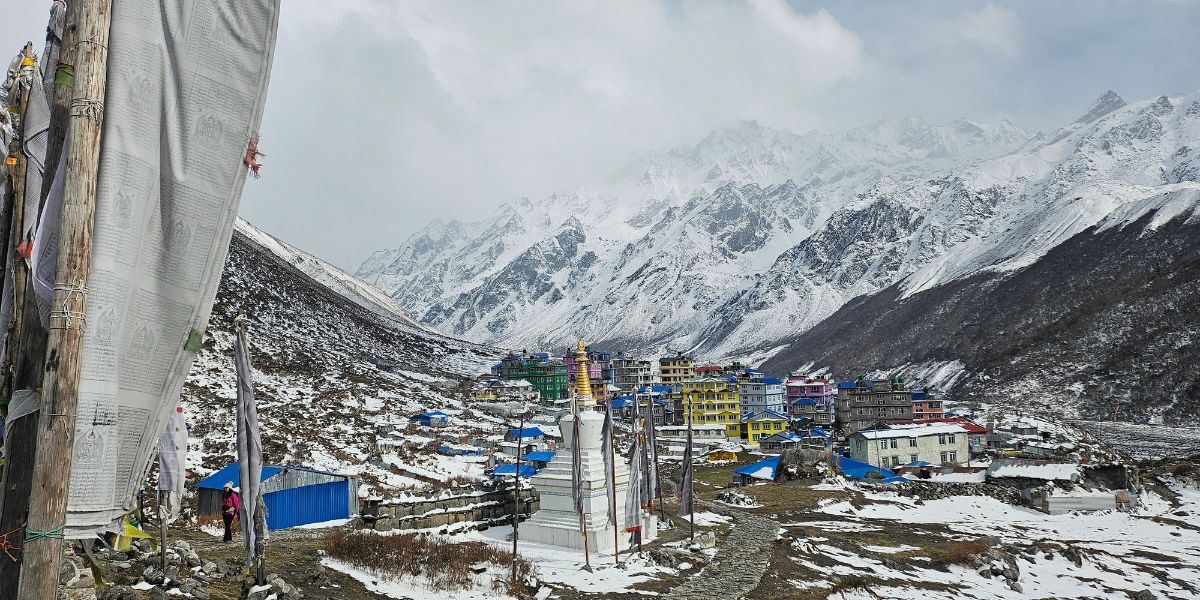
If you really want to trek in the Langtang region, then you can choose one of our alternative routes that have been curated carefully for adventurers like you!
In case the same route that is currently being used for rescue operations is made accessible for travellers, then you can take the alternative route to Langtang Valley via Dhunche:
Tokha, Kathmandu > Chahare > Chaughada Bridge > Aapra > Lachyang > Sarmathali > Patikharka > Kalikasthan > Ramche > Thade > Dhunche > Sapche > Ghatte Khola > Khendi > Deurali > Dhimsa > Chandanbari > Dursagang > Thulo Syaphru > Pairo > Normal route to Kyanjin Gompa.
Even if the Langtang Valley Trek from Dhunche is not available by the time you are scheduled to do this trek, you still don’t have to worry about it. There are other Langtang routes planned for you that don't require reaching Dhunche at all:
- From Sundarijal: Sundarijal > Chisapani > Kutumsang > Magingoth > Thadepati > Gopte > Phedi > Phedi High Camp > Laurebina Pass / Suryakunda Lake > Gosaikunda > Lauribina > Chandanbari > Thulo Syaphru > Pairo > Bamboo > Lama Hotel > Ghoda Tabela > Thangshyap > Langtang Village > Mundu > Kyanjin Gompa.
- From Dupcheshwor: Tokha (Kathmandu) > Chahare > Kharanitar > Samundratar > Ghyangphedi > Sisipu > Talu > Gopte > Phedi > Surya Kunda > Gosain Kunda > Thulo Syaphru > Ghoda Tabela > Kyanjin Gompa > Lama Hotel > Sano Bharkhu.
- Helambu-Gosainkunda-Langtang (Option 1): Kathmandu > Melamchi > Shermathang > Tarke Ghyang (1-day optional visit to Ama Yangri) > Thadepati > Gopte > Phedi > Laurebina Pass > Gosainkunda > Thulo Syaphru > Ghoda Tabela > Kyanjin Gompa > Lama Hotel > Sano Bharkhu.
- Helambu-Gosainkunda-Langtang (Option 2): Sundarijal, Kathmandu > Chisapani > Gul Bhanjyang > Thadepati > Tarke Ghyang > Ama Yangri > Tarke Ghyang > Gopte > Phedi > Laurebina Pass > Gosainkunda > Thulo Syaphru > Ghoda Tabela > Kyanjin Gompa > Lama Hotel > Sano Bharkhu.
In case you’re not very sure about Langtang’s safety, no worries! Nepal is open, and you can choose one of these popular trekking regions as an alternative:
Note: Kailash Mansarovar Yatra has also been temporarily suspended since the flood obliterated the usual road via the Rasuwagadhi border. Unfortunately, many pilgrims on their way to this holy sanctuary also lost their lives, and some are still unaccounted for. Many devotees, including some from Isha Foundation's Sacred Walks, became victims of this devastating flood!
Final Thoughts: Rasuwa-Bhotekoshi Flood Current Status
Even while we are writing this article, rescue and relief operations are underway across the affected areas. Families with casualties are mourning, those who have missing members are still in hopes of getting in contact with them, and those who found their loved ones alive are happier than ever.
The trail in Langtang National Park itself remains fine, so if you want to know more about Langtang Trek in 2026, consider going through this article: Langtang Trek Update 2026.
Right now, the roads and networks are being prioritized to save more lives, and possible risks are being closely monitored. Investigations regarding the whole incident are also ongoing, so we’ll know the actual reasons behind this disaster very soon.
As witnesses, our job is to support, however we can; even a penny can make a huge difference. An online donation campaign by the government, known as the Prime Minister Disaster Relief Fund, is live, so if you want to help, please donate!


 Bhishu Acharya